Brazil’s Rightward Surge and Yemen’s Coastline Offensive: Global Shifts Pressure the Toman
چرخش برزیل به راست و حمله به سواحل یمن؛ فشار تحولات جهانی بر بازار ارز و طلا
As Brazil’s right-wing 'Bolsonarismo' gains massive momentum in the first-round elections, a fresh Saudi-led offensive in Yemen targets the strategic Red Sea coast. Meanwhile, the Iranian Toman faces upward pressure as the US withdraws strategic bombers from the UK citing regional threats.
At time of publishing
USD
270,400
Toman
Gold 18K
26.52M
Toman / gram
Bitcoin
$85,925
US Dollar
Tether
268,470
Toman
The Resurgence of Bolsonarismo and the Global Rightward Shift
The first round of Brazil’s elections has sent shockwaves through the international political landscape, as the movement known as 'Bolsonarismo' demonstrated a resilience that few pollsters predicted. According to Felipe Krause of Oxford University, the results represent a significant consolidation of the Brazilian right, fueled by a growing middle class that is increasingly attracted to entrepreneurialism and individualism. This demographic, often feeling neglected by traditional leftist policies, has found a voice in the polarizing but effective rhetoric of the Bolsonaro family. Flávio Bolsonaro’s strong lead suggests that President Lula da Silva faces a grueling three-week battle to prevent a total rightward shift in Latin America’s largest economy.
For global observers and partners in the BRICS bloc, including Iran, this shift is more than just domestic theater. A Brazil led by the right often prioritizes different trade alignments and ideological stances than the current administration. The 'tired polarization' described by experts suggests that voters are looking for a departure from the status quo, even if it means returning to the populist fervor of the past. As the second round approaches, the potential for a shift in Brazil’s foreign policy could alter the dynamics of South-South cooperation, impacting everything from agricultural trade to diplomatic alliances in the Global South.

Yemen’s Red Sea Offensive and the 'Quagmire' of Conflict
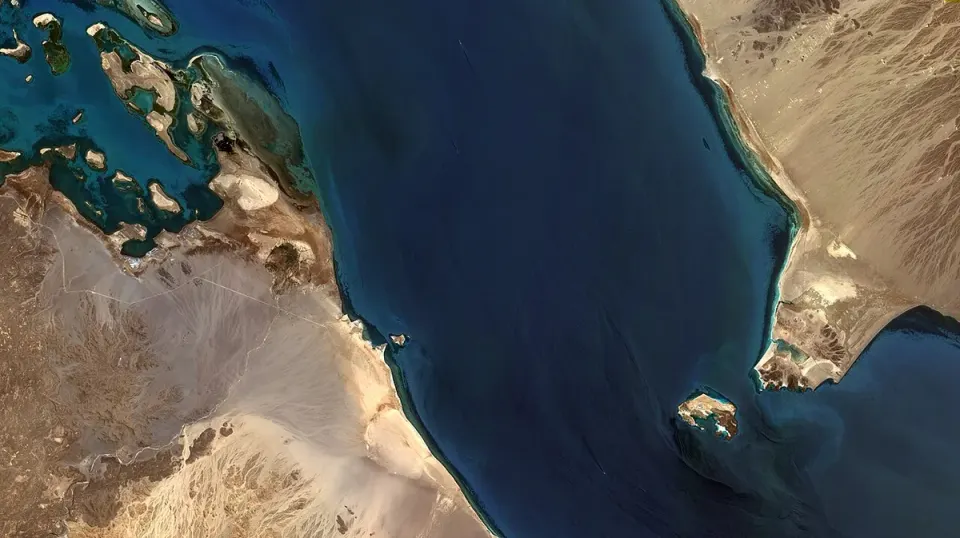
Tensions in the Middle East have escalated sharply as a Saudi-led coalition launched a major military campaign to wrest control of the Bab al-Mandab Strait from Iran-backed Houthi forces. This offensive aims to secure the vital Red Sea coast, a move that echoes the early, more aggressive years of the decade-long conflict. While the coalition seeks to restore the internationally recognized government’s control over maritime routes, the shadow of previous failures looms large. Analysts describe the conflict as a 'quagmire' that has historically drained resources without achieving a definitive political settlement, raising fears that this new push could lead to another prolonged cycle of violence.
The strategic importance of the Bab al-Mandab cannot be overstated, as it serves as a primary artery for global energy and cargo flows. The Houthis have recently claimed drone and missile strikes as far as Riyadh, targeting Aramco facilities, though these claims are often disputed by the Saudi-led coalition. Any significant disruption to this shipping lane immediately translates into higher insurance premiums and shipping costs, which eventually trickles down to global inflation. For the Iranian economy, which maintains deep regional ties, the escalation in Yemen acts as a barometer for geopolitical risk, often leading to immediate volatility in the domestic currency and gold markets.
US Bomber Withdrawal and Local Market Reactions
In a move that caught many by surprise, the US Air Force suddenly redeployed a dozen B-1 bombers from RAF Fairford in the UK back to the United States. While Downing Street has insisted the base remains secure, the hasty nature of the withdrawal—reportedly linked to specific security threats from Iran—has heightened the sense of regional instability. This tactical shift occurs as US President Donald Trump heads to Nebraska to shore up support ahead of the midterms, focusing heavily on an economic record that is being tested by high diesel prices and persistent inflation. The intersection of domestic US politics and international military posturing continues to be the primary driver of global risk sentiment.
In Tehran, these developments have manifested in a visible uptick in asset prices. On this Monday, October 5, 2026, the USD sell rate moved from 269,300 to 270,400 Toman, marking a 0.4% increase within 24 hours. The gold market followed suit, with the Emami coin rising from 271,000,000 to 273,000,000 Toman (+0.7%). Investors are also keeping a close eye on the 'AI reality check' in global equity markets, as strategists warn that the S&P 500 could face a correction if upcoming earnings do not justify the massive capital expenditure in artificial intelligence. Between regional military maneuvers and global economic shifts, the Iranian market remains in a state of high alert, balancing between technical 'golden crosses' in crypto and the harsh realities of geopolitical friction.

Watch
'Very bad result for Lula: Bolsonaro is far more effective at speaking to that growing middle class'
FRANCE 24 English
Frequently Asked Questions
چرا قیمت دلار و سکه امروز در بازار تهران افزایش یافت؟
تغییر قدرت در برزیل چه تاثیری بر ایران دارد؟
منظور از «راستیآزمایی هوش مصنوعی» در بازارهای جهانی چیست؟
Geopolitical Risk and Emerging Market Currency Valuation
Geopolitical risk refers to the potential for political events, conflicts, or instability between countries or regions to disrupt the global economy and financial markets. These risks can range from armed conflicts and trade wars to political coups, sanctions, and major policy shifts. Unlike purely economic factors, geopolitical risks introduce a layer of unpredictability and often have far-reaching, non-linear consequences that are difficult for markets to price in accurately. Understanding this concept is crucial for grasping why global shifts, such as those in the Red Sea or regional power dynamics, can profoundly impact national economies.
The impact of geopolitical risk on currency valuation is multifaceted. When geopolitical tensions escalate, investors typically seek safe-haven assets like the U.S. dollar, gold, or specific government bonds, leading to capital flight from riskier assets and emerging markets. This outflow of capital weakens the local currency as demand for it falls. Furthermore, geopolitical events can disrupt supply chains, increase commodity prices (especially oil), and deter foreign direct investment, all of which put downward pressure on a country's currency. Sanctions, a common tool in geopolitical disputes, can severely restrict a nation's ability to conduct international trade and access global financial systems, further devaluing its currency.
Emerging market currencies, like the Iranian Toman, are particularly vulnerable to geopolitical risks due to several factors. These economies often rely heavily on commodity exports, making them susceptible to global price fluctuations driven by conflicts. They may also have less diversified economies, weaker institutional frameworks, and higher levels of external debt, making them more sensitive to investor sentiment and capital flows. Any perceived increase in regional instability or global uncertainty can trigger rapid depreciation of their currencies, exacerbating inflation and reducing purchasing power for their citizens. The ongoing events in the Red Sea, for instance, by disrupting global shipping and potentially affecting oil prices, illustrate how distant conflicts can ripple through the global economy and directly pressure currencies like the Toman.