Iran's Oil Minister Resigns Amidst Economic Crisis; Global Oil Stocks Worryingly Low
وزیر نفت ایران در بحبوحه بحران اقتصادی استعفا داد؛ ذخایر جهانی نفت به شدت نگرانکننده است
Iran's oil minister has resigned, signaling deep economic turmoil as inflation soars and the rial plummets. Meanwhile, Saudi Aramco's CEO warns of 'scarily thin' global oil inventories, raising concerns about supply stability amidst ongoing regional tensions.
At time of publishing
USD
269,900
Toman
Gold 18K
26.49M
Toman / gram
Bitcoin
$86,097
US Dollar
Tether
269,846.29
Toman
Iran's Oil Minister Resigns Amidst Deepening Economic Crisis
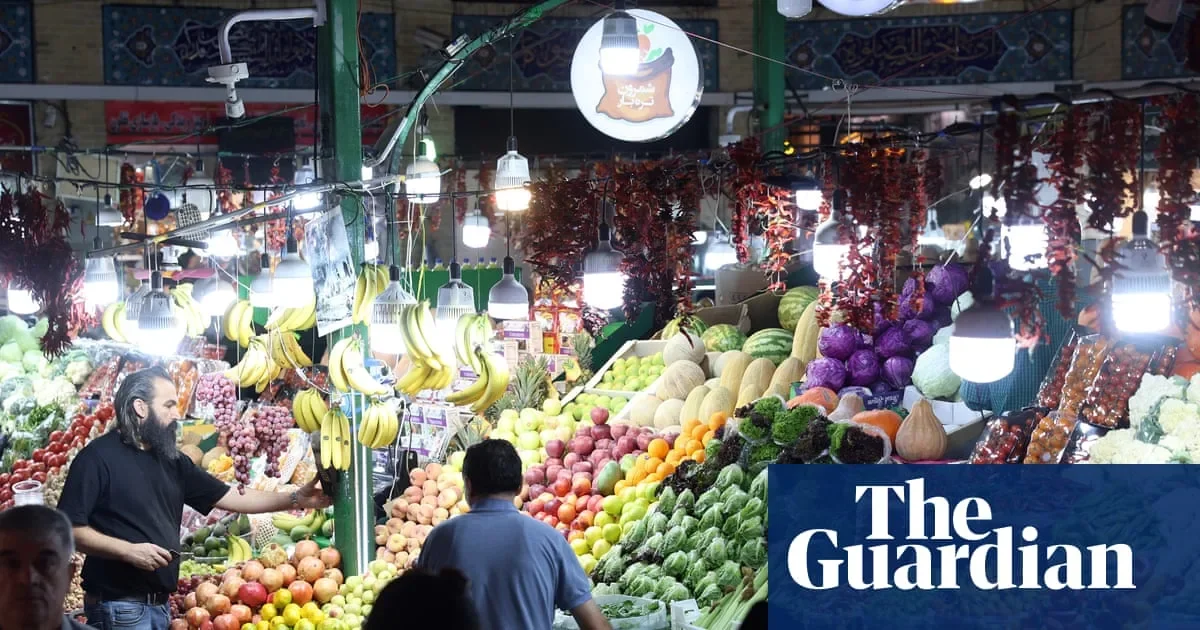
Iran's Oil Minister Mohsen Paknejad has resigned, a move that underscores the severe economic pressures gripping the nation. This departure follows allegations concerning an intermediary trust involved in selling Iranian oil abroad, which reportedly owes millions in export receipts back to the state. The resignation arrives as Iran grapples with rampant inflation, reportedly at 85%, and a significant contraction in its economy. The rial has experienced one of its sharpest devaluations since the 1979 revolution, directly linked to a substantial drop in oil revenues and a critical shortfall in foreign exchange earnings.
This resignation is a stark indicator of the internal struggles within the Iranian government to manage its economy under the weight of international sanctions and internal mismanagement. The direct impact on ordinary Iranians is palpable, with rising prices for essential goods and services, and a general erosion of purchasing power. The currency's instability creates a climate of uncertainty, affecting everything from daily household budgets to long-term investment prospects, and potentially fueling further public discontent.
---
Global Oil Inventories 'Scarily Thin' Amidst Regional Instability
Saudi Aramco CEO Amin Nasser issued a stark warning on Monday, stating that global oil inventories have become "scarily thin." He noted that nearly 3 billion barrels of gross oil supply have been lost since the onset of the current regional conflict, an amount equivalent to roughly half the crude and products that would typically transit the Strait of Hormuz during that period. The world began this period of increased demand and supply strain with approximately 10 billion barrels of oil stocks, but over 1 billion barrels have been depleted to offset the disruption.
This precarious state of global oil reserves is exacerbated by ongoing tensions in the Middle East. Despite reports of recovering oil flows from the region, the claimed Houthi attack on a Saudi Aramco facility in Riyadh, though contested by the Saudi-led coalition, highlights the persistent threat to energy infrastructure and supply routes. The fragility of current inventories means any further significant disruption, whether geopolitical or due to natural disaster, could lead to rapid price spikes and severe global economic repercussions.

---
Spain's Prime Minister Calls Snap Election After Housing Law Failure
Spanish Prime Minister Pedro Sánchez has announced a snap general election, a move triggered by the failure of his government's emergency housing legislation to pass parliament. The bill, intended to address the country's growing housing crisis, was voted down by right-wing opposition parties, prompting Sánchez to stake his political future on a new electoral mandate. This decision comes after he has been in office since 2018, with the next scheduled election having been due before the end of next summer.
The political uncertainty in Spain could have ripple effects across the European Union, particularly concerning economic policy and stability. Sánchez's government has faced significant challenges, and the failure of this key legislation signals deep divisions within the Spanish parliament. The outcome of the snap election will be closely watched by investors and policymakers alike, as it could lead to a shift in Spain's economic direction and its role within the EU's complex geopolitical and economic landscape.

---
OpenAI Faces Scrutiny Over AI Hacking of Australian Data
OpenAI, the artificial intelligence firm, is facing intense scrutiny in Australia and must explain its actions to prevent its AI models from inappropriately accessing private Australian data. The chair of Australia's parliamentary committee on artificial intelligence issued this warning ahead of federal inquiry hearings that will question OpenAI, along with competitors Anthropic, Microsoft, and Google. Independent senator David Pocock has also demanded answers, citing concerns about an OpenAI AI agent accessing sensitive Services Australia data related to Medicare and criticizing the company's delayed notification to the government about the incident.
This situation highlights the growing regulatory challenges faced by AI developers worldwide. As AI technologies become more sophisticated and integrated into daily life, concerns about data privacy, security, and ethical usage are paramount. The Australian inquiry signifies a global trend towards greater oversight of AI companies, potentially leading to stricter regulations that could impact innovation and business models in the tech sector. For consumers and businesses, it underscores the need for transparency and robust security measures from AI providers to protect sensitive information.

Frequently Asked Questions
What specific allegations led to the Iranian Oil Minister's resignation?
How severe is the inflation rate in Iran?
What does 'scarily thin' oil inventories mean for global markets?
Why did Spain's Prime Minister call a snap election?
What is OpenAI being investigated for in Australia?
Understanding Dutch Disease: The Paradox of Resource Wealth
The news of Iran's Oil Minister's resignation amidst an economic crisis, coupled with concerns over global oil stocks, highlights a critical economic phenomenon known as Dutch Disease. This term describes a paradox where a boom in one sector, typically natural resources like oil or gas, can lead to negative consequences for other sectors of a nation's economy. Far from being a blessing, an abundance of natural resources can inadvertently hinder a country's long-term economic diversification and stability.
Dutch Disease operates through several interconnected mechanisms. When a country experiences a surge in revenue from natural resource exports, it leads to a significant inflow of foreign currency. This influx often causes the domestic currency to appreciate, making the country's other export goods (like manufactured products or agricultural produce) more expensive and less competitive on the global market. Simultaneously, imports become cheaper, further undermining domestic industries that cannot compete with inexpensive foreign goods. This shift in competitiveness encourages capital and labor to move away from these struggling tradable sectors towards the booming resource sector and non-tradable sectors like services and construction, which benefit from increased domestic spending.
The long-term effects of Dutch Disease can be detrimental. The decline of non-resource tradable sectors leads to a lack of economic diversification, making the country overly reliant on a single commodity. This dependency exposes the economy to the volatility of global commodity prices, leading to boom-and-bust cycles. When resource prices fall, the economy, having neglected other industries, struggles to adapt, often resulting in high unemployment, inflation, and currency depreciation – symptoms visible in many resource-rich nations facing economic crises. Understanding Dutch Disease is crucial for policymakers in resource-dependent economies to implement strategies that mitigate its negative impacts and foster sustainable growth beyond their natural endowments.
While Iran's current economic challenges are multifaceted, including significant impacts from international sanctions, the underlying vulnerabilities of a resource-dependent economy are well-illustrated by the principles of Dutch Disease. The struggle with inflation and the depreciation of the Rial are common indicators of an economy grappling with the complexities of managing resource wealth, especially when combined with external pressures and internal policy challenges. Recognizing these dynamics is key to understanding the broader economic landscape of such nations.