
Spain's Political Turmoil, Black Sea Attack, and Market Misdirection Dominate Briefing
تلاطم سیاسی اسپانیا، حمله دریای سیاه و گمراهی بازارها در خبرنامه امروز
Spain's Prime Minister Pedro Sánchez faces a political crisis stemming from an elderly woman's eviction, while a drone attack sinks a ship in the Black Sea. Meanwhile, the S&P 500's performance is reportedly misleading investors about the true state of the US stock market.
At time of publishing
USD
269,400
Toman
Gold 18K
26.73M
Toman / gram
Bitcoin
$86,178
US Dollar
Tether
268,302
Toman
Spain's Leader Navigates Political Storm Over Eviction
Spanish Prime Minister Pedro Sánchez is embroiled in a political crisis that has unexpectedly become centered on the eviction of an 87-year-old woman from her home in Madrid. This seemingly localized event has escalated, threatening to destabilize his government and providing a potent, albeit controversial, platform for his political maneuvering. The eviction itself, which occurred last month, has sparked widespread public outcry and drawn sharp criticism from opposition parties, who are using the incident to question the government's social policies and empathy.
This crisis, however, may paradoxically offer Sánchez an opportunity. By framing the eviction as a symptom of broader societal issues and a target for his political opponents, he aims to galvanize his base and potentially gain an advantage in upcoming elections. The narrative is being spun to highlight the struggles of vulnerable citizens and to position Sánchez as a defender against perceived injustices. The ramifications for Spain's political landscape are significant, as this single event has become a focal point for national debate, potentially reshaping voter sentiment and influencing the outcomes of future political contests.
---
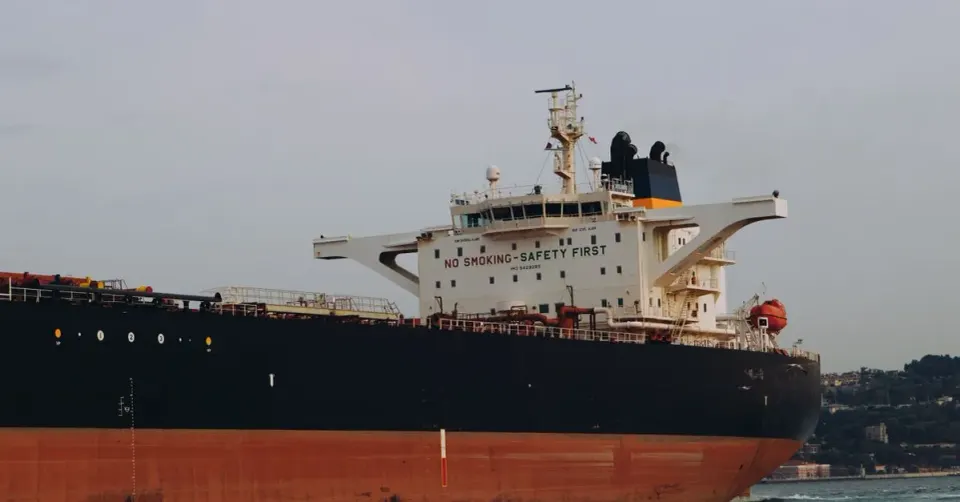
Black Sea Drone Attack Claims Ship, Crew Missing
A commercial vessel has reportedly sunk in the Black Sea following a drone attack, with all crew members now missing. The incident underscores the ongoing volatility and danger in the region, which has been a focal point of geopolitical tension since the escalation of conflict between Russia and Ukraine. Details surrounding the attack remain scarce, including the precise location and the identity of the vessel, but the loss of life and the destruction of maritime assets highlight the persistent risks to international shipping lanes.
The attack occurs amid intensified Russian strikes in the Black Sea, suggesting a deliberate escalation of maritime warfare tactics. While the perpetrators have not been definitively identified, the context points towards the ongoing conflict as the primary driver. This event has direct implications for global trade and energy security, as disruptions in the Black Sea can impact crucial shipping routes and contribute to supply chain uncertainties. The missing crew members represent a tragic human cost, adding another layer of concern to the already fraught security situation.
---
S&P 500's Misleading Signal to Investors
America's widely followed S&P 500 index, long considered a benchmark for the health of the U.S. stock market, is reportedly providing a distorted view of market performance. For decades, investors have relied on the S&P 500 to gauge the overall economic climate and the strength of American equities. However, recent analyses suggest that the index's current composition and performance characteristics are creating a 'funhouse mirror' effect, masking underlying weaknesses and potentially leading investors to make misinformed decisions.
The core issue appears to be the index's increasing concentration in a few mega-cap technology stocks. While these companies have experienced significant growth, their outsized influence can skew the index's overall trajectory, making it seem more robust than the broader market. This divergence means that while the S&P 500 might be hitting new highs, a substantial number of individual stocks could be underperforming or even declining. This can lead to a false sense of security among investors, who may be unaware that their portfolios are not reflecting the market's apparent strength.

This misdirection has significant implications for investment strategies and risk assessment. Investors who solely rely on the S&P 500's headline performance may be overlooking critical sector-specific downturns or the struggles of smaller companies. Understanding this nuance is crucial for navigating the current market environment, as it necessitates a more granular approach to stock selection and portfolio diversification. The reliance on a single, potentially misleading, metric can expose investors to greater risk than they might anticipate, especially as economic conditions evolve and market leadership potentially shifts.
Frequently Asked Questions
What is the political situation in Spain?
What happened in the Black Sea?
Why is the S&P 500 misleading investors?
Are there any updates on crypto markets?
Understanding Geopolitical Risk and Its Market Impact
Geopolitical risk refers to the potential for political events, conflicts, or instability between countries or within regions to disrupt the global economy and financial markets. Unlike traditional economic risks, geopolitical risks are often sudden, unpredictable, and can have far-reaching consequences, influencing everything from commodity prices and supply chains to investor sentiment and policy decisions. These risks encompass a wide spectrum, including interstate conflicts, political coups, civil unrest, terrorism, and significant shifts in international relations or trade policies.
The recent political turmoil in Spain, involving a drone attack in the Black Sea, serves as a vivid illustration of how varied geopolitical risks can be. Spanish political uncertainty, for instance, might impact investor confidence in European markets or specific sectors within Spain, while an attack in a critical maritime region like the Black Sea immediately raises concerns about global shipping routes, energy supplies, and food security, especially given its role in grain exports. Such events are not isolated; they often ripple through interconnected global systems.
When geopolitical risks escalate, financial markets typically react with increased volatility. Investors often seek "safe haven" assets like gold, government bonds, or certain stable currencies, leading to a flight from riskier assets like stocks. This can cause stock market indices, such as the S&P 500, to decline or experience significant swings. Furthermore, specific sectors might be disproportionately affected: energy prices can surge due to supply concerns, insurance costs for shipping might rise, and defense stocks could see gains. Understanding these dynamics is crucial for investors navigating an increasingly interconnected and volatile world.
Topics
Related Articles