Trump's Call for Iran to Strike US Cities Sparks Outrage Amid Domestic Backlash and Regional Tensions
اظهارات تحریکآمیز ترامپ درباره حمله ایران به شهرهای آمریکا، خشم داخلی را در بحبوحه تنشهای منطقهای برانگیخت
Former President Donald Trump's suggestion that Iran could "take out" Los Angeles and San Diego has drawn sharp condemnation from California officials and even criticism from within his own party, escalating geopolitical rhetoric. Meanwhile, Hamas has rejected the UN Secretary-General's statement on the October 7 anniversary, further deepening regional divides, and a UK arrest linked to a plot targeting a US base highlights the global reach of these tensions.
At time of publishing
USD
269,500
Toman
Gold 18K
26.71M
Toman / gram
Bitcoin
$86,030
US Dollar
Tether
268,781
Toman
Trump's Provocative Iran Remarks Fuel US Political Firestorm
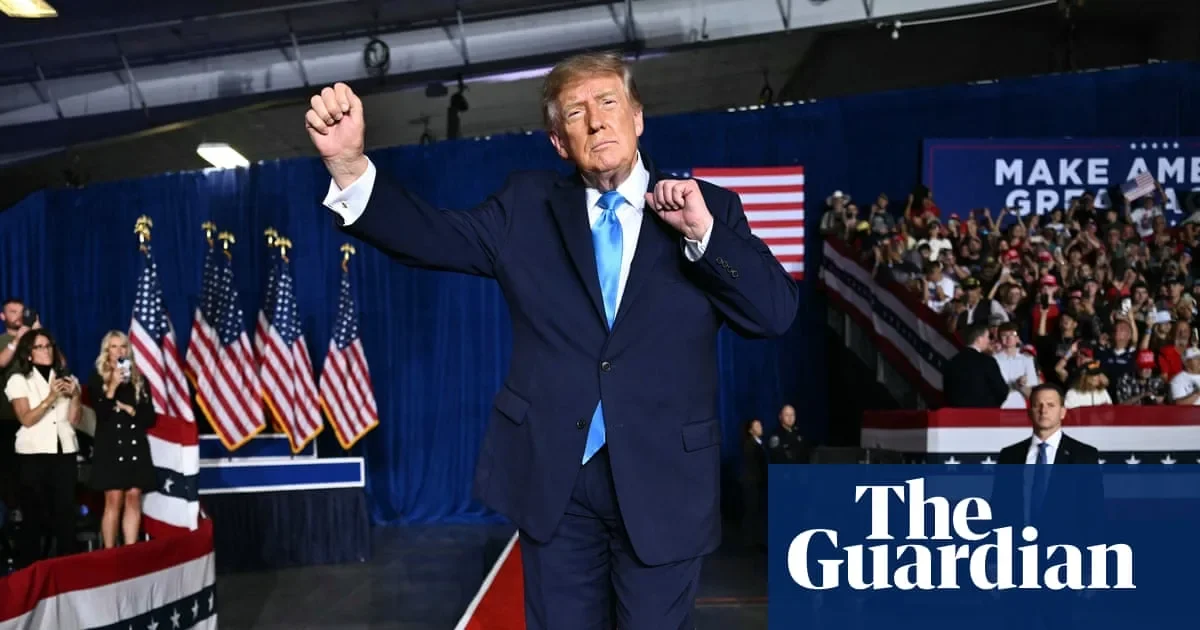
Former President Donald Trump has once again ignited controversy with highly inflammatory remarks, suggesting that Iran could “take out” major American cities like Los Angeles and San Diego. Speaking at a rally in Nebraska on Monday, Trump's comments, which were met with applause from the crowd, included an assertion that high prices due to potential conflict with Iran were a “small price to pay for keeping the world safe – keeping our country safe.” This rhetoric, particularly the explicit mention of an attack on US cities, represents a significant escalation in his public discourse regarding Iran.
California's Governor Gavin Newsom, a Democrat and frequent critic of Trump, swiftly condemned these statements, calling them “reckless” and “deranged.” Newsom emphasized the gravity of a former president advocating for an attack on millions of US residents. Moreover, the backlash extended beyond partisan lines, with Republican Jim Desmond, a candidate for a San Diego House district, also criticizing Trump's comments. This internal party dissent highlights the controversial and potentially damaging nature of Trump's rhetoric, suggesting that even some conservatives find his approach to foreign policy, particularly concerning Iran, to be beyond acceptable bounds.
The implications of such statements are profound, especially for Iranian readers. Such bellicose language from a prominent American political figure, particularly one who has previously held and may again seek the presidency, injects considerable uncertainty and risk into the geopolitical landscape. It directly influences perceptions of future US policy towards Iran, potentially impacting currency expectations, the enforcement and scope of sanctions, trade relations, and overall economic confidence within Iran. The divisive reaction within the US also signals a deeply fractured approach to Iran, making future policy directions highly unpredictable and further complicating any prospects for de-escalation or diplomatic engagement.
Hamas Rejects UN Chief's October 7 Anniversary Statement
In a move that underscores the persistent and unyielding divisions surrounding the ongoing conflict, Hamas has issued a strong condemnation of UN Secretary-General Antonio Guterres' statement marking the third anniversary of what it referred to as the “Israeli aggression on the Gaza Strip.” According to IRNA, the Palestinian group asserted that Guterres's statement contained “baseless claims” and “ignores historical facts,” signaling a firm rejection of the UN's narrative regarding the events of October 7 and their aftermath.
This forceful denunciation by Hamas reveals the deep chasm in how the conflict's origins and subsequent developments are perceived by different parties. Hamas's refusal to acknowledge the events as anything other than “Israeli aggression” highlights its consistent stance against what it views as biased international reporting and a selective interpretation of historical events. Such a position complicates any potential for a unified international approach to the conflict, reinforcing the entrenched positions of the involved parties and their allies.

The ongoing dispute over historical narratives and the choice of terminology significantly hinders efforts towards de-escalation, humanitarian aid, and future peace negotiations. For the broader Middle East, and particularly for Iran, a key supporter of Hamas, this development reinforces the existing geopolitical struggle for influence and narrative control. It contributes to maintaining high levels of regional instability, as a lack of consensus on fundamental facts makes any diplomatic breakthrough incredibly challenging, thereby perpetuating cycles of conflict and mistrust.
UK Police Arrest Suspect in Fairford Airbase Terror Plot
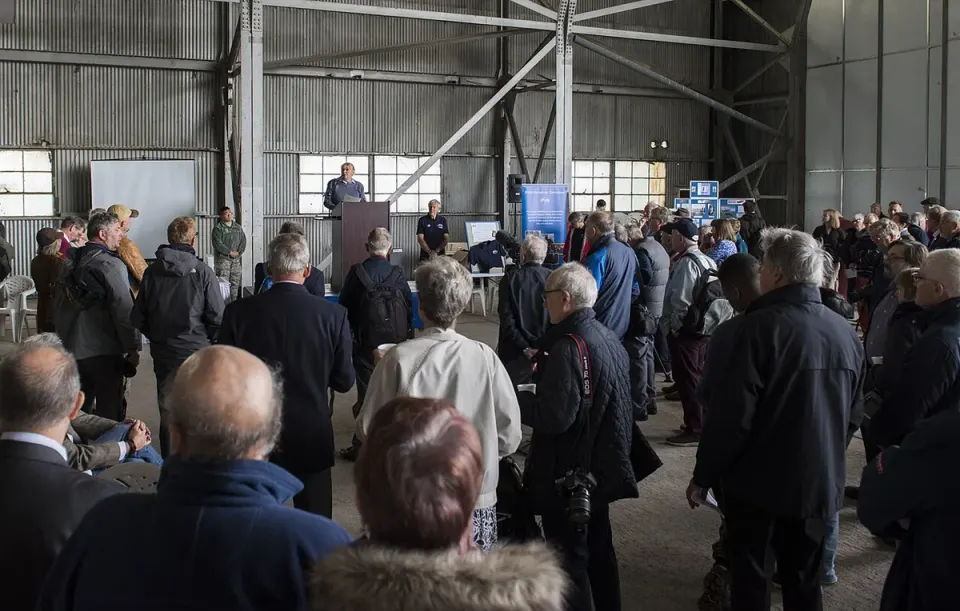
British police have apprehended a 22-year-old man in London on suspicion of preparing terrorist acts, in connection with a suspected plot targeting the RAF Fairford airbase. This base is notably used by the United States for operations, including strikes against Iran, making it a highly sensitive location in the context of Middle Eastern geopolitics. The arrest, announced on Tuesday, marks the seventh individual detained in connection with this ongoing investigation, indicating a persistent and complex security threat.
The significance of this arrest lies in its direct link to a critical Western military asset involved in operations related to Iran. The suspected plot underscores the far-reaching impact of Middle Eastern tensions, demonstrating that security threats can manifest far beyond the immediate conflict zones, extending to domestic security concerns in allied nations. The involvement of multiple individuals and the ongoing nature of the investigation suggest a coordinated effort that demands serious attention from security agencies.
For Iran, this incident highlights the intense international scrutiny and sensitivity surrounding any activities perceived as supporting or enabling threats against US or allied interests. Such developments can directly influence diplomatic relations, the enforcement and perception of international sanctions, and the overall global political climate regarding Iran. It serves as a stark reminder of the global nature of security challenges stemming from regional conflicts, illustrating how geopolitical rivalries can inspire or instigate actions with international ramifications, further complicating efforts to maintain stability and prevent escalation.
Market Update: Minor Shifts in Gold and Emami Coin Amidst Geopolitical Rhetoric
The Iranian market experienced relatively minor fluctuations over the past 24 hours, with the USD/IRR exchange rate holding steady at 269,500 Toman. This stability represents a 0.0% change, indicating a period of calm for the primary foreign exchange benchmark despite a day filled with provocative international rhetoric. The Euro and British Pound also maintained their recent levels, trading at 303,550 and 357,550 Toman respectively, further suggesting a market that is either resilient or awaiting more tangible developments.
In the precious metals market, gold 18k per gram saw a slight decrease, moving from 26,778,706 to 26,714,068 Toman, a change of -0.2%. Conversely, the Emami coin, a popular investment vehicle in Iran, registered a modest gain, rising from 273,000,000 to 273,500,000 Toman, marking a +0.2% increase. These subtle movements suggest a nuanced investor sentiment, where the broader market might be absorbing geopolitical noise without immediate dramatic reactions, but with slight shifts in preferences between different asset classes.
For Iranian investors, the current stability in the USD exchange rate offers a momentary respite from significant currency volatility, which has often been a major concern. However, the underlying geopolitical tensions, exacerbated by statements like those from Donald Trump, mean that these markets remain highly sensitive to any new concrete developments or policy shifts. The minor shifts in gold and coin prices indicate that while there isn't a widespread panic or a rush to safe-haven assets at this precise moment, investors are likely remaining vigilant, ready to adjust portfolios in response to evolving political and economic indicators.
Frequently Asked Questions
What exactly did Donald Trump say about Iran and US cities?
How has the US political establishment reacted to Trump's comments?
What is new about Hamas's statement regarding the UN Secretary-General?
What is the significance of the UK arrest related to the Fairford airbase?
How did Iranian markets react to these geopolitical developments in the last 24 hours?
Understanding Escalation in International Relations
In the complex arena of international relations, "escalation" refers to the process by which a conflict intensifies in its scope, severity, or the number of participants involved. This can manifest in various ways, from an increase in hostile rhetoric and diplomatic pressure to economic sanctions, military buildups, and ultimately, direct armed conflict. Escalation can be a deliberate strategy employed by states to achieve political objectives, or it can be an unintended consequence of miscalculation, miscommunication, or a series of reactive measures.
Factors contributing to escalation are multifaceted. Provocative rhetoric, such as the statement mentioned in the headline, can signal aggressive intent or test an adversary's resolve, potentially triggering a reciprocal response. The presence of proxy conflicts, where major powers support opposing sides in a regional dispute (like the Gaza conflict involving various actors), also creates fertile ground for escalation, as actions by proxies can draw in their patrons. Domestic political pressures, the need for leaders to appear strong, or a desire to rally internal support can further influence decisions that lead to an upward spiral of tension.
The risks associated with escalation are profound. Beyond the immediate human cost of intensified conflict, escalation can lead to severe economic disruption, impacting trade, investment, and currency stability—as seen with the fluctuations of the USD/IRR exchange rate often tied to geopolitical events. It can also destabilize entire regions, drawing in more actors and creating unpredictable outcomes that are difficult to control. The potential for a localized conflict to broaden into a wider, more devastating confrontation remains a constant concern for policymakers globally.
Understanding the dynamics of escalation is crucial for preventing conflicts and promoting stability. While de-escalation efforts, involving diplomacy, confidence-building measures, and a reduction in hostile actions, are the counter-process, they often require significant political will and careful statecraft. The challenge lies in managing tensions effectively, ensuring that communication channels remain open, and avoiding actions that might inadvertently push situations towards an uncontrollable trajectory.
Topics
Related Articles