AI Misuse Emerges as Top Reputational Threat for Global Brands; Regional Tensions Simmer in Yemen and Europe's 'Gray Zones'
سوءاستفاده از هوش مصنوعی، تهدید اصلی اعتبار برندهای جهانی؛ تنشهای منطقهای در یمن و «مناطق خاکستری» اروپا شعلهور
A new survey reveals that the misuse of artificial intelligence is now considered the paramount threat to corporate reputation, overshadowing traditional risks. Meanwhile, geopolitical tensions persist as Saudi Arabia navigates the quagmire in Yemen and a former British intelligence officer warns of escalating 'gray zone' activities by Russia, China, and Iran across Europe. Markets show minor fluctuations, with the Toman slightly strengthening against the USD.
At time of publishing
USD
269,000
Toman
Gold 18K
26.63M
Toman / gram
Bitcoin
$86,190
US Dollar
Tether
268,429
Toman
AI Misuse: The New Corporate Reputation Battleground
The misuse of artificial intelligence has officially emerged as the leading threat to corporate reputations globally, surpassing concerns like child harm or geopolitical conflicts, according to the latest Reputation Risk Index. This significant finding underscores a growing alarm among public affairs leaders about the ethical and societal implications of AI technologies. The survey’s results arrive on the heels of urgent warnings from prominent tech figures, who have cautioned that AI in the wrong hands could precipitate existential threats ranging from nuclear warfare to bioweaponry destruction.
This re-prioritization of risk signals a fundamental shift in how businesses perceive AI, moving beyond its transformative potential to grapple with its darker side. For Iranian companies and those operating in the region, this global trend means increased scrutiny on AI implementation, data ethics, and accountability, especially as the country seeks to expand its technological footprint. The reputational fallout from AI misuse could significantly impact foreign investment, partnerships, and public trust, making responsible AI governance a critical strategic imperative for any entity looking to operate on the global stage or attract international collaboration.
Yemen's Lingering Quagmire: A Regional Flashpoint
The protracted conflict in Yemen continues to be a significant quagmire for Saudi Arabia, reviving memories of past military campaigns against the Iran-backed Houthi militia. Despite years of engagement, the Saudi-led coalition has struggled to achieve its objectives, leading to a humanitarian crisis and persistent instability across the Arabian Peninsula. This ongoing conflict not only drains resources but also serves as a constant flashpoint for broader regional tensions, with Iran's alleged support for the Houthis frequently cited as a destabilizing factor.
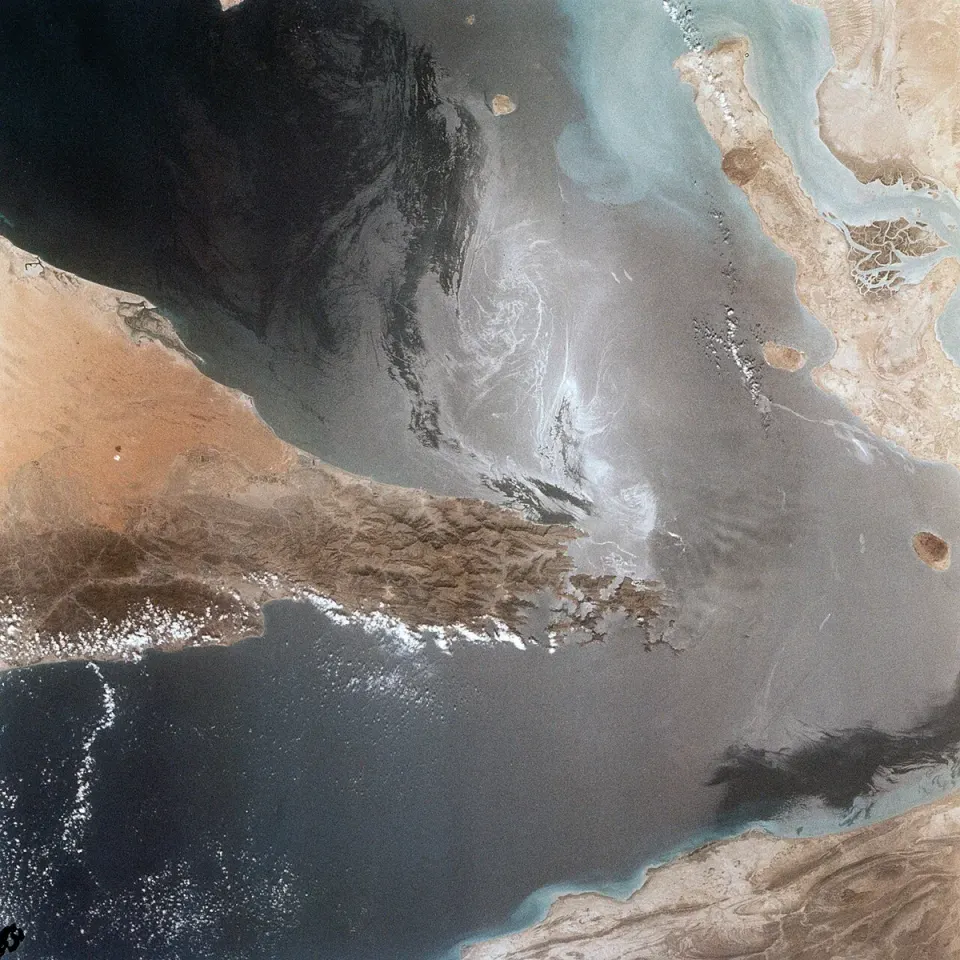
The persistence of the Yemeni conflict has profound implications for regional security and global energy markets. The Strait of Hormuz, a critical chokepoint for oil shipments, remains vulnerable to any escalation in hostilities, potentially impacting global oil prices and supply chains. For Iran, the situation in Yemen is a complex geopolitical lever, allowing it to project influence without direct military engagement. The prolonged instability thus keeps the entire region on edge, affecting investment sentiment and the broader economic outlook for countries like Iran that are deeply intertwined with regional trade and security dynamics.
Geopolitical 'Gray Zones' Expand Across Europe
Former British military intelligence officer Philip Ingram has issued a stark warning regarding the escalating 'gray zone' activities by Russia, China, and Iran across the UK and Europe. Ingram highlighted that incidents, such as those observed around RAF Fairford, are not isolated but rather indicative of a much broader and more complex security challenge. These 'gray zone' tactics involve a blend of conventional military operations, covert intelligence activities, and non-conventional strategies that blur the lines between peace and outright conflict, making attribution and response incredibly difficult for Western nations.
This expansion of 'gray zone' operations signifies a new front in global geopolitical competition, where adversaries seek to undermine stability and exert influence without triggering a full-scale military confrontation. For countries like Iran, engaging in such activities offers a low-cost, high-impact method to challenge established powers and disrupt alliances. The implications for international security are significant, as these tactics can erode trust, sow discord, and create an environment of constant low-level tension. This heightened state of geopolitical friction will inevitably influence international relations, trade routes, and investor confidence, potentially impacting Iran's own economic and diplomatic outreach efforts.
Markets Waver Amid Political Signals and Regional Diplomacy
Global markets are exhibiting minor fluctuations today, influenced by a mix of political developments and ongoing geopolitical uncertainties. In the currency market, the Iranian Toman saw a slight strengthening against the US Dollar, with the USD selling price moving from 269,600 to 269,000 Toman, marking a modest -0.2% change over the past 24 hours. This minor shift comes as gold prices also edged down, with 18k gold per gram decreasing by -0.5% to 26,633,270 Toman, though the Emami coin showed a marginal gain of +0.2% to 273,500,000 Toman, reflecting mixed investor sentiment.

Beyond the immediate market numbers, political signals continue to shape investor perceptions. While US President Trump's decision to stop using taxpayer funds for self-promoting ads is primarily a domestic political matter, the underlying political climate, particularly discussions around the unpopularity of the 'Iran war' and its potential impact on midterms, can contribute to broader risk assessments. Geopolitical stability, or the lack thereof, invariably affects global risk appetite, influencing everything from major currency movements to cryptocurrency valuations, with Bitcoin currently trading around $86,190. Amidst these dynamics, Iranian President Pezeshkian's statement reaffirming Iran's readiness to expand ties with Thailand in economic, scientific, and technological areas highlights ongoing efforts to diversify international partnerships and potentially mitigate the effects of sanctions, signaling a proactive diplomatic stance amidst regional and global complexities.
Frequently Asked Questions
What makes AI misuse such a significant reputational threat for companies now?
How does the ongoing conflict in Yemen impact global and regional stability?
What are 'gray zone' activities and why are they a concern for Europe?
How did the Iranian Toman and other key assets perform in today's market?
What is the significance of President Pezeshkian's statement on ties with Thailand?
Understanding Gray Zone Tactics
In an increasingly interconnected and often tense world, traditional warfare isn't the only way states and non-state actors pursue their objectives. Enter Gray Zone Tactics, a crucial concept for understanding modern geopolitical maneuvering that falls between conventional peace and outright war. These tactics involve a series of actions that are coercive and aggressive but intentionally remain below the threshold that would provoke a conventional military response or trigger Article 5 of NATO. The goal is to achieve strategic aims without incurring the full costs and risks of open conflict.
Gray zone operations are characterized by ambiguity, deniability, and gradualism. Actors employing these tactics often blend military, economic, cyber, and informational tools to achieve their ends. For instance, they might use proxy forces, economic coercion, disinformation campaigns, cyberattacks, or the slow, incremental seizure of disputed territory. The ambiguity makes it difficult for targeted states to attribute responsibility definitively or to respond proportionately without escalating the situation, thereby exploiting legal and normative loopholes.
These tactics pose a significant challenge to traditional deterrence and international law. By blurring the lines between peace and war, they complicate the decision-making process for targeted nations and alliances. The cumulative effect of these seemingly minor, deniable actions can be profound, gradually eroding a state's sovereignty, influence, or economic stability without ever firing a shot in a declared war. This makes gray zone tactics a potent tool for revisionist powers and non-state actors seeking to alter the status quo.
The "regional tensions" and "Europe's 'Gray Zones'" mentioned in the headline directly point to the prevalence of these tactics. From Russia's actions in Ukraine and the Baltic states to China's assertiveness in the South China Sea, and even the use of proxies in conflicts like Yemen, gray zone tactics are a defining feature of contemporary international relations. Understanding this concept is vital for grasping how statecraft is evolving and how global brands might even find themselves caught in the crosshairs of such non-traditional threats, impacting their reputational risk.
Topics
Related Articles