IRGC Official Dismisses 'Collapse' Theories as Iranian Oil Eyes Russian Gaps in Central Asia
ادعای سپاه درباره شکست طرح فروپاشی همزمان با تلاش نفت ایران برای نفوذ در بازار آسیای میانه
IRGC leadership claims the West's strategy of 'state collapse' has failed, while shifting energy dynamics suggest a new opening for Iranian oil in Central Asia. Meanwhile, Bitcoin struggles to maintain technical support at $84,000 amid rising global yields.
At time of publishing
USD
268,450
Toman
Gold 18K
26.41M
Toman / gram
Bitcoin
$84,205
US Dollar
Tether
269,067
Toman
IRGC Claims 'Miscalculation' Over State Stability
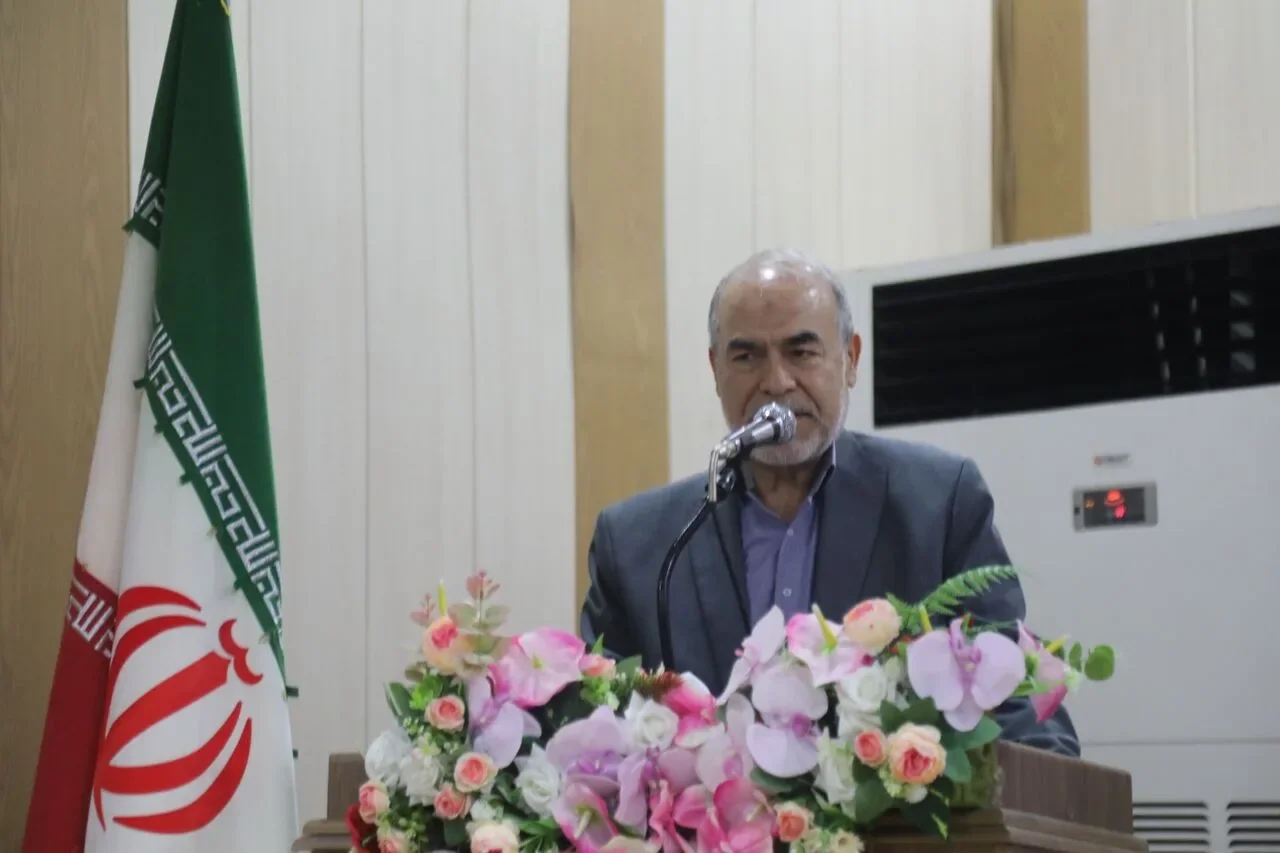
In a statement reported by state media on Wednesday, October 7, 2026, Brigadier General Yadollah Javani, the political deputy of the Islamic Revolution Guards Corps (IRGC), asserted that foreign adversaries have made a "grave miscalculation" regarding the stability of the Iranian state. Speaking in Bandar Abbas, Javani claimed that the combination of military threats, economic sanctions, and domestic unrest was intended to create a power vacuum and lead to a total collapse within a week. This rhetoric comes at a time when the Iranian leadership is increasingly focused on projecting an image of internal cohesion to counter the effects of prolonged international isolation and economic stagnation.
While Javani's comments are a standard fixture of state propaganda, they reflect the government's ongoing effort to frame survival as a strategic victory. By attributing the lack of a total collapse to the "resilience" of the system, the IRGC seeks to delegitimize domestic grievances and external pressure alike. However, for the average Iranian citizen, these high-level political assertions often stand in stark contrast to the daily reality of high inflation and limited purchasing power. The statement appears designed to bolster the morale of the security forces and state loyalists rather than address the underlying structural issues facing the country's economy.
---
Russia’s Fuel Crisis: A Strategic Opening for Iranian Oil?
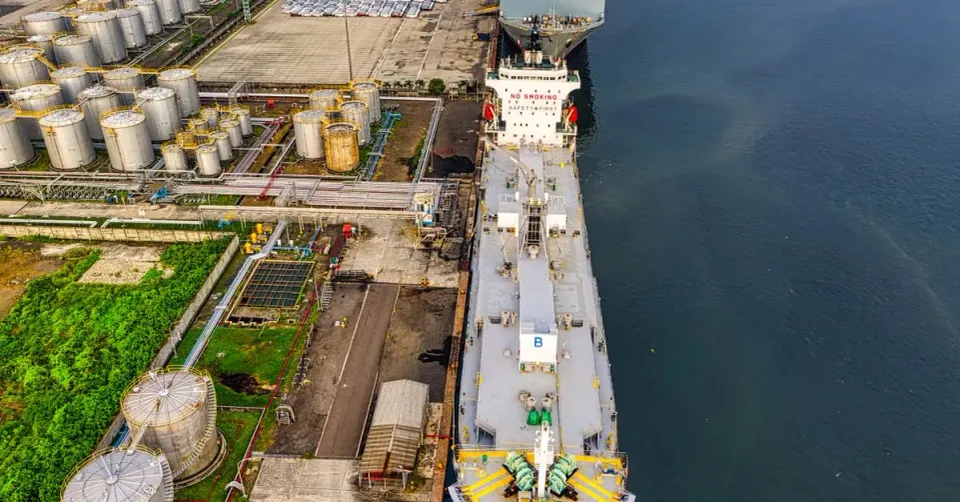
As the conflict in Eastern Europe continues to disrupt traditional energy flows, a new report suggests that Russia’s internal fuel crisis—exacerbated by persistent attacks on its refineries—may be creating an unexpected opening for Iranian oil in Central Asia. Historically, Central Asian nations have relied heavily on Russian energy exports. However, with Russia struggling to meet its own domestic demand and maintain export volumes, countries in the region are increasingly looking for alternative suppliers. Iran, which has spent years developing clandestine and alternative shipping routes to bypass U.S.-led sanctions, is positioned to fill this vacuum, albeit under complex geopolitical constraints.
This shift represents a significant irony in the regional energy landscape. Iran and Russia have deepened their military and political ties over the last several years, yet they remain natural competitors in the global energy market. If Iran successfully increases its footprint in Central Asia, it could provide a much-needed boost to its foreign exchange reserves. Nevertheless, such an expansion is fraught with risks, including the potential for increased secondary sanctions from Washington and the logistical challenges of transporting large volumes of fuel through aging infrastructure. For the Iranian economy, any increase in oil revenue is a critical lifeline, though it remains to be seen if these gains will translate into broader economic stability or merely fund the state's regional ambitions.
---
Markets: Bitcoin Slips as Domestic Gold and USD Cool
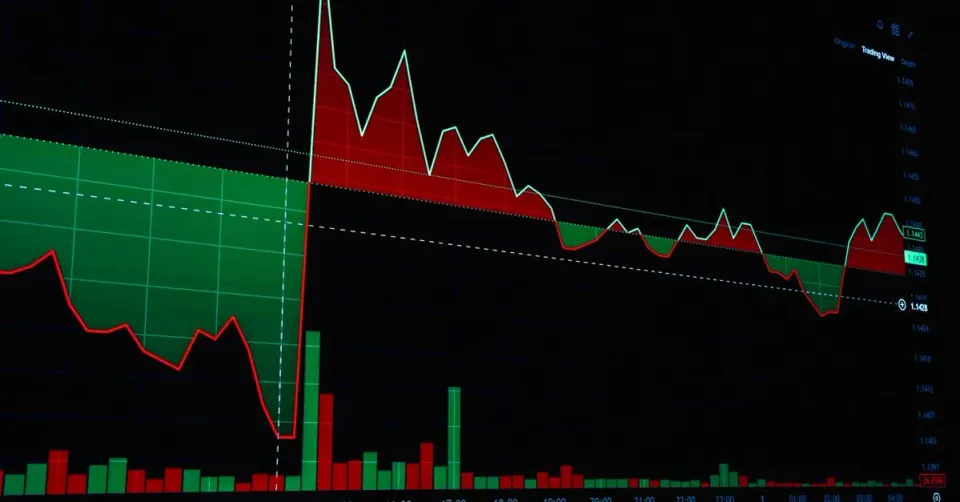
On the financial front, Bitcoin has encountered significant technical resistance, slipping below the Ichimoku cloud—a key indicator used by traders to gauge momentum and trend direction. At 11:00 Tehran time, Bitcoin was trading near $84,205, struggling to hold onto the gains made earlier in the month. Analysts point to rising global bond yields and the continued strength of oil prices as primary pressures on the crypto market. When yields rise, investors often rotate out of speculative assets like Bitcoin and into safer, interest-bearing instruments. The failure to maintain the $84,232 level could signal a short-term bearish phase for the leading cryptocurrency, adding to the volatility that has defined the sector this year.
Domestically, the Iranian market showed a slight cooling trend on Wednesday. The USD/IRR rate moved from 269,100 to 268,450, representing a minor decrease of 0.2%. This marginal strengthening of the Toman coincides with a drop in domestic gold prices. Gold 18k per gram fell from 26,716,376 to 26,409,344 Toman, a 1.1% decline. While these fluctuations are relatively small compared to the volatility of previous months, they suggest a brief moment of consolidation in the Tehran market. Investors are likely waiting for clearer signals from both regional geopolitical developments and global central bank policies before making significant moves. The Emami coin also saw a slight dip of 0.2%, trading at 273,000,000 Toman, reflecting the broader cautious sentiment among local traders.
---
Regional Tensions: Israel Marks Oct 7 Anniversary
Regional stability remains a primary concern as Israel marks the third anniversary of the October 7 attacks. The commemorations come at a time of heightened security and political sensitivity, with an election looming in Israel that is expected to be heavily influenced by the government's handling of regional security. The ongoing tension in the Levant continues to cast a shadow over Middle Eastern markets, maintaining a "geopolitical risk premium" on oil and regional currencies. For Iranian observers, the situation is a double-edged sword: while regional instability often drives up oil prices, it also increases the risk of direct or indirect military escalation that could further strain Iran’s already fragile economy.

In Australia, a different kind of political drama is unfolding that could have long-term implications for global migration trends. Coalition MPs have conceded that their ambitious immigration pledges were not fully costed by the independent Parliamentary Budget Office. While seemingly distant, these shifts in Western immigration policies often impact the Iranian diaspora and the flow of remittances, which remain a vital source of hard currency for many families within Iran. As Western nations tighten their borders and adjust their economic forecasts, the global landscape for Iranian talent and capital continues to shift, forcing a re-evaluation of long-term migration and investment strategies.
Frequently Asked Questions
Why is Iranian oil targeting Central Asia now?
What does Bitcoin falling below the Ichimoku cloud mean?
How did the Toman perform in the last 24 hours?
The Shadow Fleet and Sanctions Evasion in Global Oil Trade
Economic sanctions are powerful tools designed to pressure nations by restricting their access to global markets and financial systems. However, sanctioned countries, particularly those with significant natural resources like oil, often develop sophisticated methods to circumvent these restrictions. This intricate network of illicit or semi-licit activities is broadly known as the "shadow oil trade," and the vessels involved form the "shadow fleet."
At its core, the shadow oil trade involves a range of deceptive practices. These include ship-to-ship (STS) transfers of crude oil in international waters to obscure the origin and destination of cargo, disabling or manipulating Automatic Identification System (AIS) transponders to disappear from tracking maps, and frequently changing flags of convenience to avoid detection. Furthermore, complex ownership structures involving shell companies and opaque financial transactions are employed to mask the true beneficiaries and financial flows, making enforcement by international bodies exceptionally challenging.
Initially honed by countries like Iran and Venezuela in response to stringent Western sanctions, the techniques of the shadow fleet have seen a significant expansion following sanctions against Russia after its invasion of Ukraine. As traditional buyers and shippers withdraw from sanctioned markets, a parallel, unregulated market emerges. This shadow market often relies on older, less maintained tankers, which pose increased environmental and safety risks, and operates with higher insurance premiums (or none at all), impacting global shipping costs and oil price discovery.
For countries like Iran, which have decades of experience navigating sanctions, the current geopolitical landscape presents both challenges and opportunities. As Russia faces increasing difficulties in exporting its oil through traditional channels, Iran, already adept at using the shadow fleet, can potentially step in to fill supply gaps in regions like Central Asia, leveraging its established networks and expertise. This dynamic illustrates how sanctions, while intended to isolate, can inadvertently foster new trade routes and alliances operating outside conventional global economic frameworks.
Topics
Related Articles