Oil Reclaims $100 Amid Tanker Attacks as Bitcoin Slumps; Global Security Gaps Under Fire
بازگشت نفت به کانال ۱۰۰ دلاری در پی حملات دریایی؛ سقوط بیتکوین و بحرانهای امنیتی در سطح بینالملل
A naval drone attack on a tanker near Sochi and Houthi strikes on Saudi infrastructure have pushed Brent crude back above $100, while Bitcoin liquidations hit $487 million. Meanwhile, a high-profile escape of a convict to Pakistan has sparked a 'betrayal' outcry in the UK.
At time of publishing
USD
269,250
Toman
Gold 18K
26.49M
Toman / gram
Bitcoin
$84,285
US Dollar
Tether
269,254
Toman
Market Open — Wednesday, October 7, 2026
The Tehran market opened this Wednesday, October 7, with a cautious but steady tone in the currency sector, while precious metals saw a minor correction. The US Dollar (USD/IRR) rose slightly by 0.1%, moving from 269,100 to 269,250 Toman. This stability comes despite significant volatility in global energy markets, which often acts as a precursor to local inflationary pressure. Traders are keeping a close eye on the 270,000 Toman resistance level, which has remained a psychological barrier for the past week.
In the gold market, we witnessed a downward trend. Gold 18k/gram dropped by 0.8%, settling at 26,490,142 Toman, while the Emami coin decreased by 0.2% to 273,000,000 Toman. This local dip is somewhat decoupled from the global gold price, which remains robust at $4,128.70 per ounce. Meanwhile, the crypto world is reeling; Bitcoin (BTC) has slipped to $84,285, breaking a key support level as investors flee toward the safety of the US Dollar and rising oil prices.
The $100 Oil War and the Crypto Slide
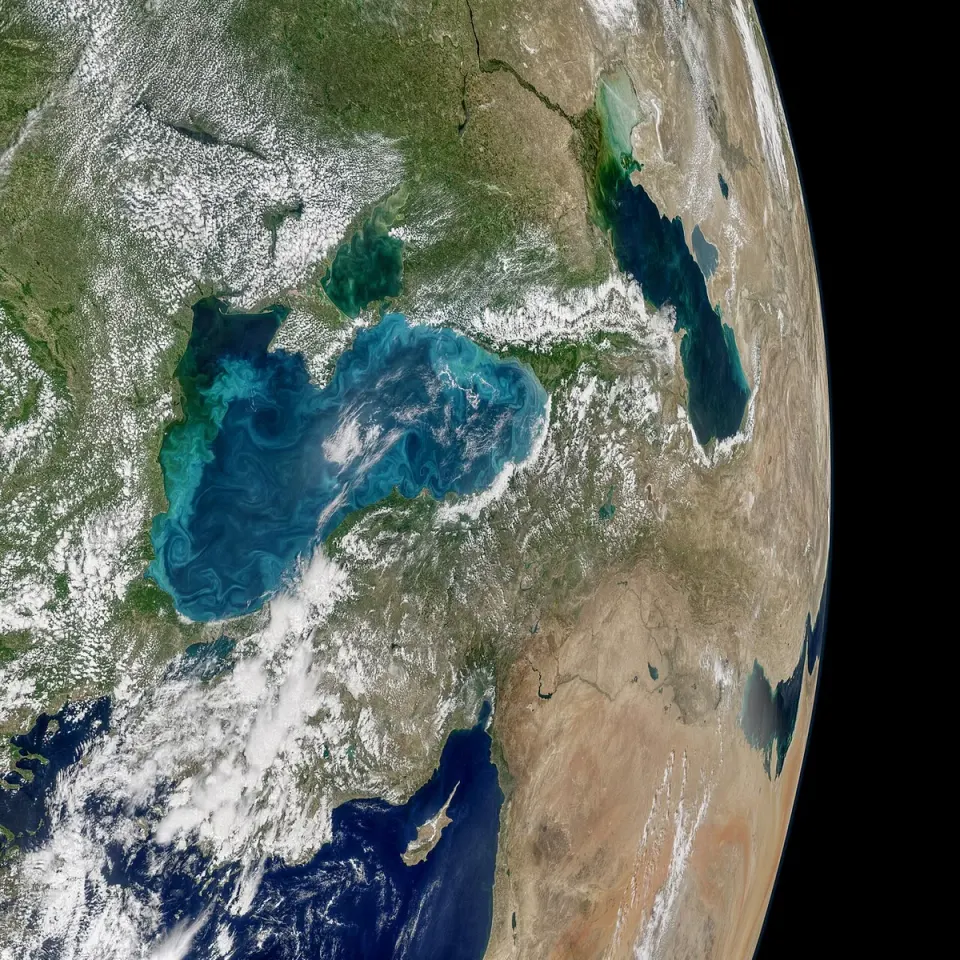
Global energy markets are on edge after a series of overnight escalations. A Liberian-flagged oil tanker was struck by a naval drone off the coast of the Russian resort city of Sochi, triggering a massive blaze and sending plumes of black smoke over the Black Sea. This attack, combined with fresh Houthi strikes on Saudi Arabian energy infrastructure, has effectively killed the narrative that oil prices would stabilize. Brent crude jumped back above the $100 mark, trading at $101.49, as the market prices in a high-risk premium for maritime transport and energy security.
This spike in energy costs has had a direct and painful impact on the cryptocurrency market. Bitcoin briefly dipped below $84,000, a level analysts call the "danger zone" for long positions. In the last 24 hours alone, over $487 million in long positions were liquidated as the rising dollar and surging oil prices sucked liquidity out of riskier assets. For Iranian investors, this creates a double-edged sword: while the value of their crypto holdings may be shrinking in dollar terms, the rising cost of global energy could eventually push the domestic dollar rate higher, complicating the hedging strategies many have relied on.
Security Failures: From UK Escapes to Hijacking Plots
A major scandal is brewing in the United Kingdom that highlights a systemic failure in the judicial system. Amar Ilyas, a man facing trial for serious sexual offenses, managed to flee to Pakistan while out on bail, leaving his victims feeling "betrayed" by the state. This case has reignited a fierce debate over bail conditions for high-risk individuals and the ease with which international borders can be exploited. It serves as a stark reminder of the legal loopholes that persist even in highly regulated Western jurisdictions, often leaving the most vulnerable without justice.

Simultaneously, the investigation into a narrow escape aboard a Flydubai flight has widened. Authorities are now scrutinizing the flight training that Hamam al-Hammami, an alleged hijacker, received in New Zealand before attempting to take control of an Israel-bound plane on September 30. This story is particularly significant for regional travel security, as it involves a major Middle Eastern carrier and raises questions about the vetting processes for pilots across international borders. The intersection of these security lapses—one on the ground in the UK and one in the cockpit over the Middle East—is weighing heavily on global risk sentiment today.
Tehran’s Diplomatic Pivot and Cultural Heritage
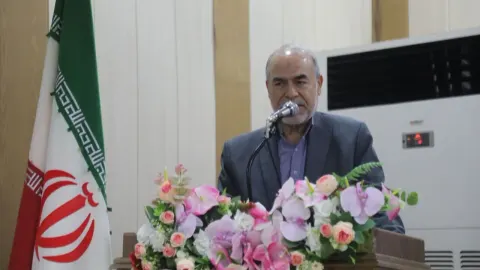
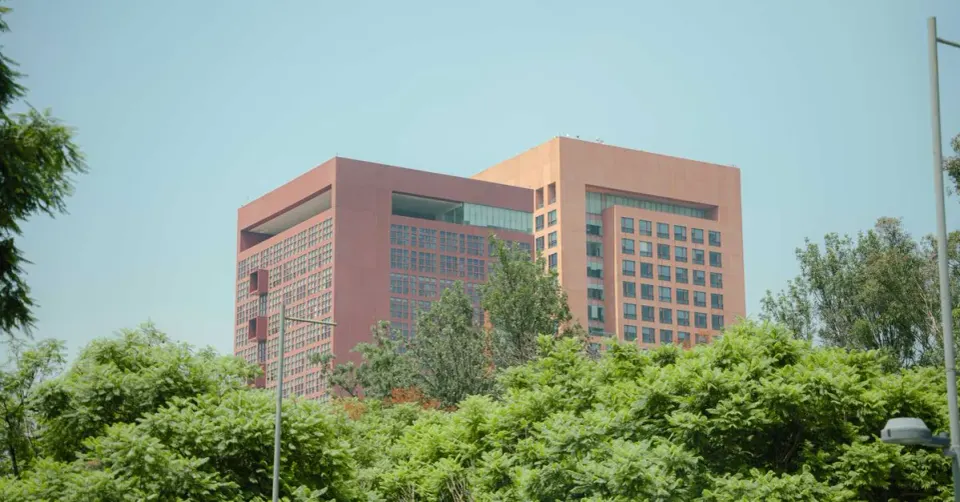
On the domestic front, Iran is signaling a renewed interest in strengthening ties with non-Western powers. Deputy Foreign Minister Kazem Gharibabadi held a series of meetings today with envoys from India, Japan, and Spain. The discussions focused on expanding bilateral relations and enhancing legal and international cooperation. For the Iranian economy, these meetings are crucial; India and Japan remain vital potential trade partners who could provide a lifeline for technology and infrastructure development if geopolitical tensions ever ease. The inclusion of Spain also suggests a tactical attempt to maintain a diplomatic bridge to the European Union.
In a more localized development, the Ministry of Cultural Heritage announced that the shrine of Shams Tabrizi in Khoy has been officially added to the national heritage list. While this might seem like a minor story compared to global oil prices, it reflects an effort to bolster domestic tourism and preserve the cultural identity of the northwestern regions. For the average citizen, these cultural milestones provide a rare moment of pride and stability amidst the constant noise of fluctuating exchange rates and international sanctions. As the shrine prepares for its official opening, it stands as a symbol of endurance in a rapidly changing geopolitical landscape.
Frequently Asked Questions
چرا قیمت نفت برنت دوباره به بالای ۱۰۰ دلار بازگشت؟
دلیل سقوط بیتکوین به زیر ۸۴ هزار دلار چه بود؟
دیدارهای دیپلماتیک اخیر ایران با هند و ژاپن چه اهمیتی دارد؟
Geopolitical Risk Premium and Its Impact on Oil Prices
The price of Brent crude oil is not set in a vacuum; it reflects a blend of supply‑and‑demand fundamentals and a geopolitical risk premium that investors demand when the world’s energy supply chain is threatened. When a tanker is attacked – as happened off the coast of Sochi – the immediate fear is that a portion of the global oil flow will be disrupted. Even if the actual volume lost is modest, markets react to the uncertainty, pushing Brent prices higher as traders price in the possibility of further interruptions.
Geopolitical risk premium works like an insurance cost. Traders add a markup to the forward price of oil to compensate for the chance of sudden supply shocks, sanctions, or military actions that could curtail output. This markup can be quantified by comparing the price of oil futures with the price of a “risk‑free” benchmark (often a basket of Treasury yields). The larger the perceived threat, the steeper the premium, and the more volatile the spot price becomes.
Historically, major spikes in the premium have coincided with events such as the 1990‑91 Gulf War, the 2003 Iraq invasion, and more recent tensions in the Strait of Hormuz. The Sochi tanker attack is a contemporary illustration: analysts estimated that the risk premium added roughly $2‑$3 per barrel to Brent, enough to lift the market by about $100 in a single day. This demonstrates how quickly geopolitical news can translate into tangible price movements, independent of actual physical supply changes.
Understanding the risk premium is crucial for investors, policymakers, and businesses that rely on oil. It explains why oil‑dependent economies like Iran, India, and Japan watch geopolitical headlines closely, as a sudden premium can affect import bills, inflation, and even currency stability. For traders, monitoring risk‑related news provides a leading indicator of price direction, while for governments, it underscores the strategic value of securing safe maritime routes.
In the longer term, the premium also feeds back into investment decisions. Higher perceived risk can deter new exploration projects, prompting producers to focus on existing fields and potentially tightening supply further. Conversely, stable geopolitical environments can lower the premium, encouraging capital inflows and stabilising prices. Thus, the geopolitical risk premium is both a symptom and a driver of the global oil market’s dynamics.
Topics
Related Articles