Iran Reports Damage to 111 Industrial Sites; Gold Dips as Global Tensions Influence Domestic Markets
گزارش ایران از آسیب به ۱۱۱ مرکز صنعتی؛ کاهش قیمت طلا همزمان با نوسانات بازارهای جهانی
Iran's envoy to the OPCW claims US military actions have damaged 111 petrochemical and pharmaceutical facilities, disrupting critical supply chains. Meanwhile, domestic gold prices saw a slight 0.4% decline as the market navigates a complex blend of regional risk and global political shifts.
At time of publishing
USD
269,250
Toman
Gold 18K
26.61M
Toman / gram
Bitcoin
$84,177
US Dollar
Tether
268,056
Toman
Industrial Infrastructure Under Fire: The OPCW Report
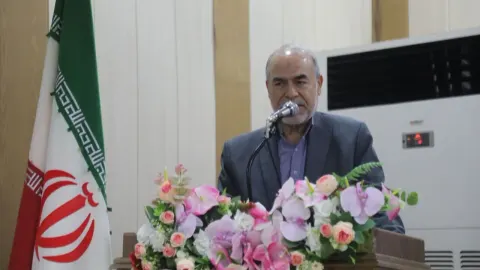
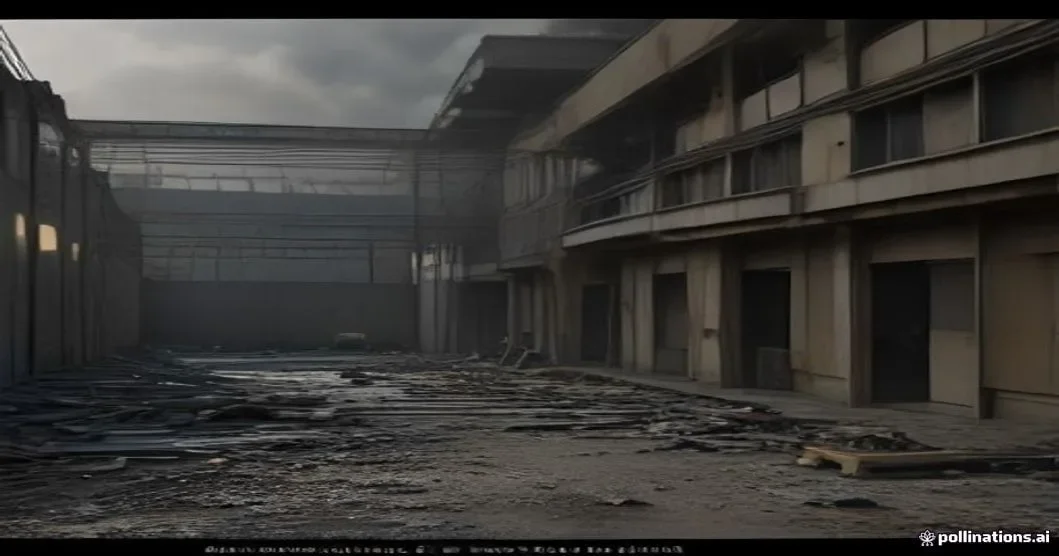
In a significant diplomatic move, Iran’s ambassador to the Netherlands and representative to the Organization for the Prohibition of Chemical Weapons (OPCW) has reported substantial damage to the nation's industrial heartland. According to reports from IRNA, the envoy stated that US military operations have directly impacted 111 petrochemical and pharmaceutical facilities across Iran. This disclosure highlights a strategic disruption of supply chains that extends beyond conventional military targets, reaching into sectors critical for both the national economy and public health. The ambassador emphasized that these actions hinder the implementation of the Chemical Weapons Convention by destabilizing the industrial base required for compliance and peaceful chemical production.
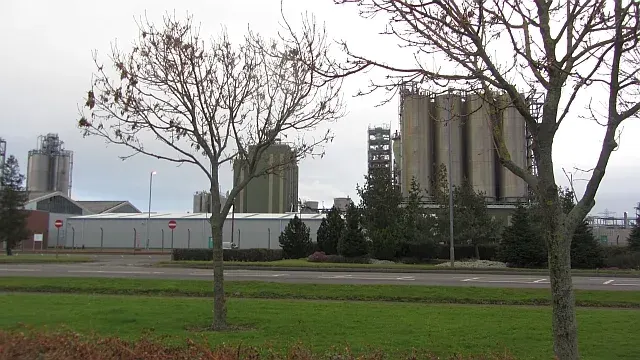
The implications of these damages are profound for the Iranian reader. Petrochemical products are a cornerstone of non-oil exports, and any sustained disruption to these 111 facilities could lead to a tightening of foreign exchange inflows. Furthermore, the pharmaceutical sector's involvement suggests potential challenges in domestic medicine production, which often faces hurdles due to existing sanctions. By bringing this issue to the OPCW in London and the Hague, the Iranian government is attempting to frame these incidents as a violation of international industrial norms, seeking to leverage global diplomatic channels to address the economic fallout of military friction.
Market Reaction: Gold Cools Amidst Currency Stability
As of 10:00 Tehran time on چهارشنبه ۱۵ مهر ۱۴۰۵, the domestic financial markets are showing a rare divergence between currency and precious metals. The US Dollar (USD) sell rate edged up slightly from 269,100 to 269,250 Toman, a marginal increase of 0.1%. This stability indicates that despite the alarming reports of industrial damage, the currency market remains in a state of 'wait-and-see,' with liquidity levels balancing out the immediate geopolitical shocks. The Rial's performance today suggests that traders are looking for more concrete economic data before committing to a significant directional move.

In contrast, the gold market experienced a notable cooling. 18-karat gold prices dropped from 26,716,376 to 26,605,568 Toman per gram, marking a 0.4% decrease. Similarly, the Emami gold coin fell from 273,500,000 to 273,000,000 Toman, a 0.2% decline. This downward trend occurred even as the international gold ounce remains at a historic high of $4,131.70. For Iranian investors, this suggests that local factors—perhaps a temporary reduction in speculative demand or a shift toward other assets—are currently outweighing the global bullishness of gold. It serves as a reminder that domestic prices are a product of both global trends and local sentiment, which can occasionally move in opposite directions.
Geopolitical Shifts: US Politics and Global Accountability
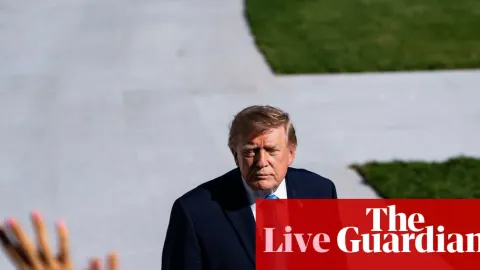
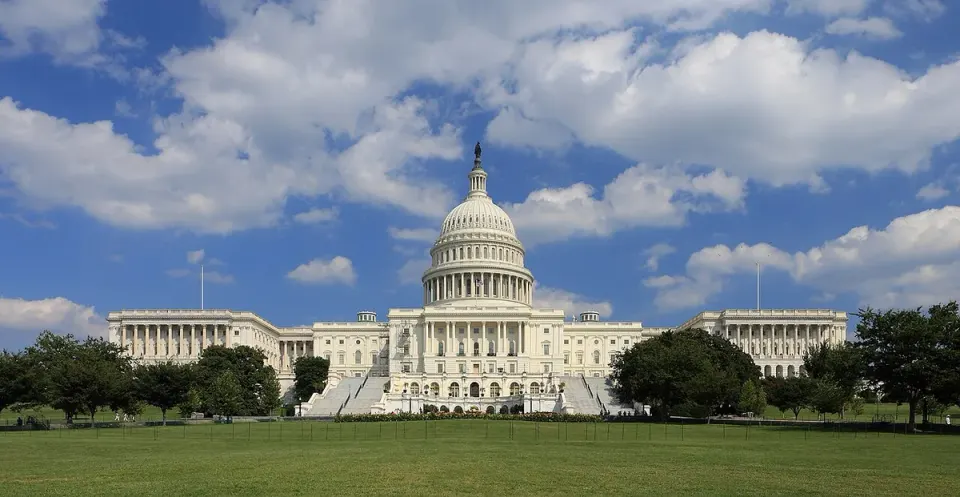
On the international stage, the political landscape in Washington is showing signs of fragmentation that could impact Iran policy. Republican Senator Susan Collins recently distanced herself from Donald Trump during a Maine debate, explicitly stating her opposition to a potential war with Iran and new tariffs on Canada. Collins, who noted she has voted with the current administration over 90% of the time on certain issues, represents a moderate wing of the GOP that may act as a buffer against more hawkish foreign policy shifts. For the Iranian economy, these internal US political dynamics are crucial indicators of the future of sanctions and diplomatic engagement, as a lack of consensus in Washington often leads to more predictable, albeit strained, international relations.
Beyond politics, a wave of global accountability is making headlines. In Australia, former Bishop Christopher Alan Saunders was sentenced to more than six years in prison for sexual abuse, marking a significant moment for justice in high-ranking institutions. Simultaneously, in Sydney, the legal system is grappling with high-profile murder trials involving former law enforcement officers, such as the Beau Lamarre-Condon case. While these stories may seem distant, they reflect a global trend toward transparency and the prosecution of individuals in positions of power. This climate of increased scrutiny is mirrored in the corporate world, where energy giants like Chevron and Shell are being forced to adapt to both environmental risks in the Gulf of Mexico and geopolitical standoffs in the Strait of Hormuz, where LNG exports remain under constant threat.
Frequently Asked Questions
آسیب به ۱۱۱ واحد صنعتی چه تأثیری بر بازار ارز دارد؟
چرا قیمت طلا در ایران با وجود انس ۴۱۰۰ دلاری کاهش یافت؟
موضع جدید سناتور سوزان کالینز چه اهمیتی برای ایران دارد؟
Gold as a Safe‑Haven Asset: Why Prices React to Geopolitical Tension
Gold has long been regarded as a safe‑haven – an investment that investors turn to when confidence in other assets erodes. When wars flare, sanctions tighten, or diplomatic crises loom, the perceived risk of holding equities, bonds, or even local currencies spikes. Because gold is priced in U.S. dollars and cannot be “defaulted” on by any government, demand for the metal surges, pushing its price upward in both global markets and local currencies such as the Iranian toman.
In emerging economies like Iran, the relationship between gold and the exchange rate is especially pronounced. A weakening USD/IRR (or USD/Toman) rate makes imported goods more expensive, eroding purchasing power. Many households and firms therefore allocate a portion of their wealth to gold, which preserves value in real terms and can be easily converted back into foreign currency when needed. This dual role explains why a sudden dip in gold prices—often triggered by a temporary easing of global tensions—can be felt immediately in domestic markets, as seen in October 2026.
The petrochemical sector and other export‑oriented industries also feed into the gold‑safe‑haven narrative. Damage to Iran’s industrial sites, sanctions on oil shipments, or threats to the Strait of Hormuz can tighten foreign‑exchange inflows, prompting investors to hedge with gold. Conversely, any positive development—such as a diplomatic breakthrough or a report from the OPCW that reduces sanctions pressure—can dampen fear, leading to a short‑term sell‑off in gold as investors rotate back into riskier assets.
Understanding gold’s behavior therefore requires looking at three interconnected forces: geopolitical risk, currency dynamics, and domestic economic fundamentals. For policymakers, stabilising the exchange rate and reducing external shocks can mitigate the volatility that makes gold such a popular refuge, while for ordinary savers, monitoring gold price trends offers a practical gauge of broader economic uncertainty.