Iraq Devalues Dinar Amid Hormuz Disruptions; Bitcoin Tumbles on Iran Nerves
عراق دینار را در پی اختلالات تنگه هرمز کاهش ارزش داد؛ بیتکوین در پی تنشهای ایران سقوط کرد
Iraq has devalued its currency by 14.5% due to prolonged disruptions in oil exports via the Strait of Hormuz. Meanwhile, Bitcoin experienced a significant drop, falling below $83,000 as global markets reacted to renewed concerns surrounding Iran and a resumption of bond sell-offs.
At time of publishing
USD
265,900
Toman
Gold 18K
26.25M
Toman / gram
Bitcoin
$83,024
US Dollar
Tether
265,073
Toman
Iraq Devalues Dinar Amid Hormuz Disruptions
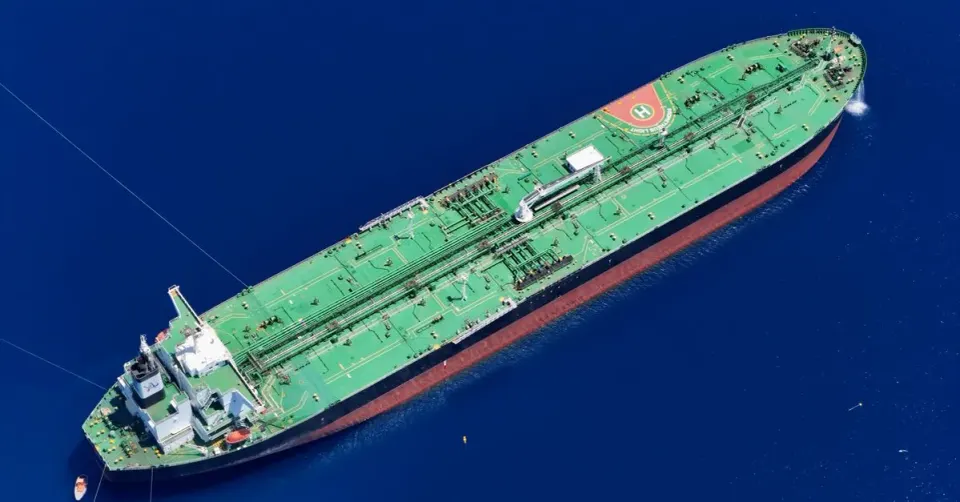
Iraq's government has announced a significant devaluation of its national currency, the dinar, by 14.5%. The new official exchange rate is set at 1,520 dinars per U.S. dollar. This drastic measure comes as a direct response to sustained disruptions in oil exports, the country's primary source of revenue, which have been exacerbated by ongoing issues in the Strait of Hormuz.
The decision, which took effect on Wednesday, aims to bolster the government's dwindling financial resources. The Finance Ministry's purchase rate for dollars has been set at 1,500 dinars, while the rate for sales by financial institutions to end-users will be 1,510 dinars. This move signals Baghdad's increasing concern over its fiscal stability, as reduced oil revenues directly impact its ability to fund essential services and development projects. The prolonged instability in a critical global energy chokepoint is clearly taking a heavy toll on the Iraqi economy.

Bitcoin Tumbles as Iran Tensions Resurface
Cryptocurrency markets experienced a notable downturn today, with Bitcoin falling below the $83,000 mark to reach its lowest point for October. This sharp decline appears to be correlated with a broader market sentiment shift, as global stock markets reversed earlier gains and bond yields saw a significant spike. The renewed jitters seem to stem from escalating tensions related to Iran, which have historically proven to be a destabilizing factor for global financial assets.
The sell-off in Bitcoin and other digital assets underscores their sensitivity to geopolitical risks and macroeconomic shifts. As investors retreat from riskier assets in favor of safer havens like bonds, cryptocurrencies often bear the brunt of the impact. The resumption of the bond sell-off further exacerbates this trend, suggesting that market participants are anticipating a more challenging economic environment ahead, potentially driven by geopolitical instability and tightening monetary policies.

Geopolitical Undercurrents and Market Ripples
Beyond the direct impact on Iraq's economy and Bitcoin's volatility, the news highlights the interconnectedness of global events. The disruptions in the Strait of Hormuz are not merely an Iraqi problem; they represent a significant risk to global energy supply and shipping, influencing oil prices and potentially contributing to inflationary pressures worldwide. Any instability in this vital waterway has immediate and far-reaching consequences for international trade and economic stability.
Simultaneously, the renewed focus on Iran, even in the context of a seemingly unrelated legal case in the UK (headline [3]), serves as a reminder of the persistent geopolitical risks that continue to cast a shadow over global markets. These underlying tensions, coupled with macroeconomic factors like rising bond yields, create a complex environment for investors. The market's reaction to these intertwined issues demonstrates a heightened sense of caution, with participants closely monitoring developments that could impact energy security, international relations, and overall economic growth.
Frequently Asked Questions
Why did Iraq devalue the dinar?
What is the new exchange rate for the Iraqi dinar?
Why did Bitcoin's price fall?
How do Strait of Hormuz disruptions affect global markets?
Understanding Geopolitical Risk and its Global Market Impact
Geopolitical risk refers to the potential for political events, conflicts, or instability in one region to have widespread economic and financial consequences across the globe. These risks can stem from international relations, internal political turmoil, or regional conflicts, and they often carry significant implications for global trade, commodity prices, and investor confidence. The Strait of Hormuz, a crucial chokepoint for global oil shipments, is a prime example of a region whose stability (or instability) carries immense geopolitical risk, directly affecting global energy markets.
When geopolitical tensions escalate, particularly in vital regions like the Middle East, the immediate impact often registers in commodity markets. Disruptions or threats to the Strait of Hormuz, through which a significant portion of the world's seaborne oil passes, can trigger spikes in crude oil prices due to fears of supply shortages. For oil-dependent economies like Iraq, such volatility can severely strain national budgets and currency stability. A country might devalue its currency (like the Iraqi Dinar) to make its exports cheaper and imports more expensive, aiming to boost its economy or manage financial pressures, often exacerbated by reduced oil revenues or increased uncertainty.
Beyond commodities, geopolitical risk reverberates through broader financial markets. Investor uncertainty and fear often lead to a flight to safety, where capital moves away from perceived "risk-on" assets and emerging markets towards traditional safe havens like government bonds or certain strong currencies. Cryptocurrencies, despite often being touted as uncorrelated assets, can also experience significant volatility during periods of heightened geopolitical stress. As seen with Bitcoin's tumble amid "Iran Nerves," these digital assets are not immune to global sentiment and can be sold off alongside other risk assets as investors seek liquidity and stability, highlighting the deeply interconnected nature of the global financial system.
Topics
Related Articles