Paxton Blames Iran War, Gas Prices for Struggles; Strait of Hormuz Closure Threatens Trade
پاکستون جنگ ایران و گرانی بنزین را عامل مشکلات خود دانست؛ بسته شدن تنگه هرمز تجارت را تهدید میکند
Texas Attorney General Ken Paxton is reportedly blaming the ongoing conflict in Iran and high gas prices for his campaign difficulties, as former President Trump prepares to visit the state. Meanwhile, an IRGC advisor stated the Strait of Hormuz remains closed until Iran's demands are met, signaling potential disruptions to global trade and energy markets.
At time of publishing
USD
266,000
Toman
Gold 18K
26.26M
Toman / gram
Bitcoin
$83,532
US Dollar
Tether
265,039
Toman
Paxton Links Campaign Woes to Iran Conflict and Fuel Costs
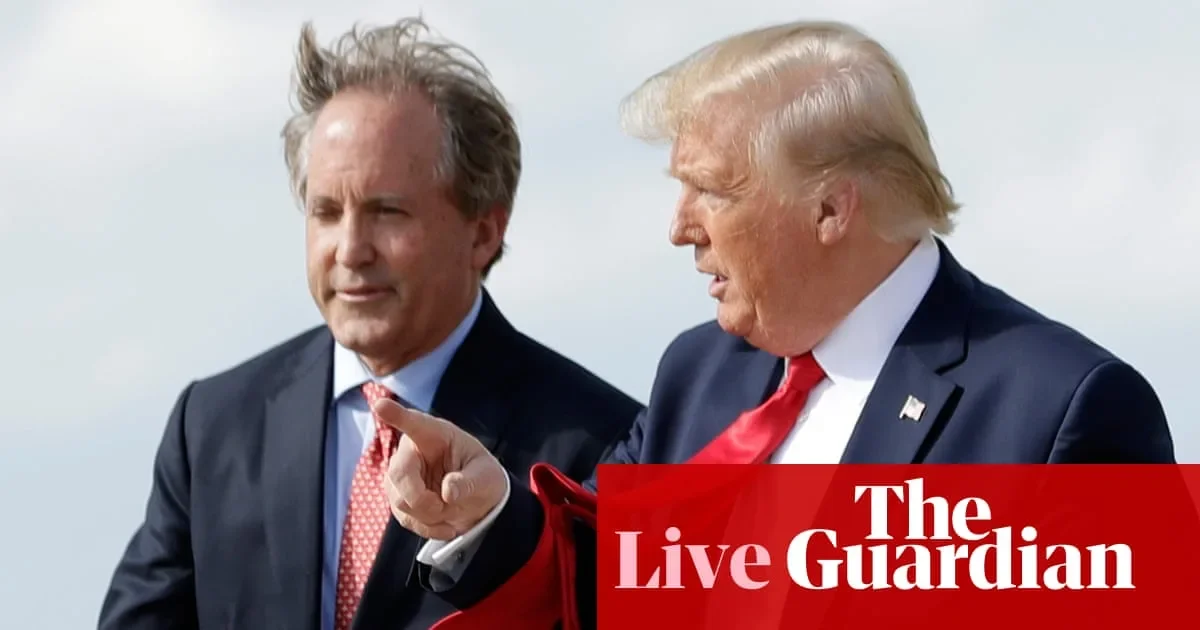
Texas Attorney General Ken Paxton has reportedly attributed his campaign's struggles to external factors, specifically citing the ongoing war in Iran and elevated gasoline prices as significant headwinds. Leaked audio from a fundraiser suggests Paxton views affordability as his primary campaign challenge, a sentiment that may resonate with voters facing economic pressures. This comes as former President Donald Trump is scheduled to visit Texas, a state where political dynamics are often influenced by national economic conditions and international events. The attorney general's comments highlight how global conflicts and their ripple effects, such as energy market volatility, can become domestic political talking points.
The broader implications for Iranian readers are tied to the perception and influence of such statements on US policy. When prominent US politicians link domestic economic issues to international conflicts, it can shape public opinion and, consequently, policy decisions regarding sanctions, trade, and diplomatic engagement. For Iran, this narrative suggests that international instability, including the situation in the Persian Gulf, is not merely a regional concern but a factor influencing American political discourse and potentially future policy, which could impact currency expectations and market confidence within Iran.
Strait of Hormuz Closure Threatens Global Trade and Energy Flows
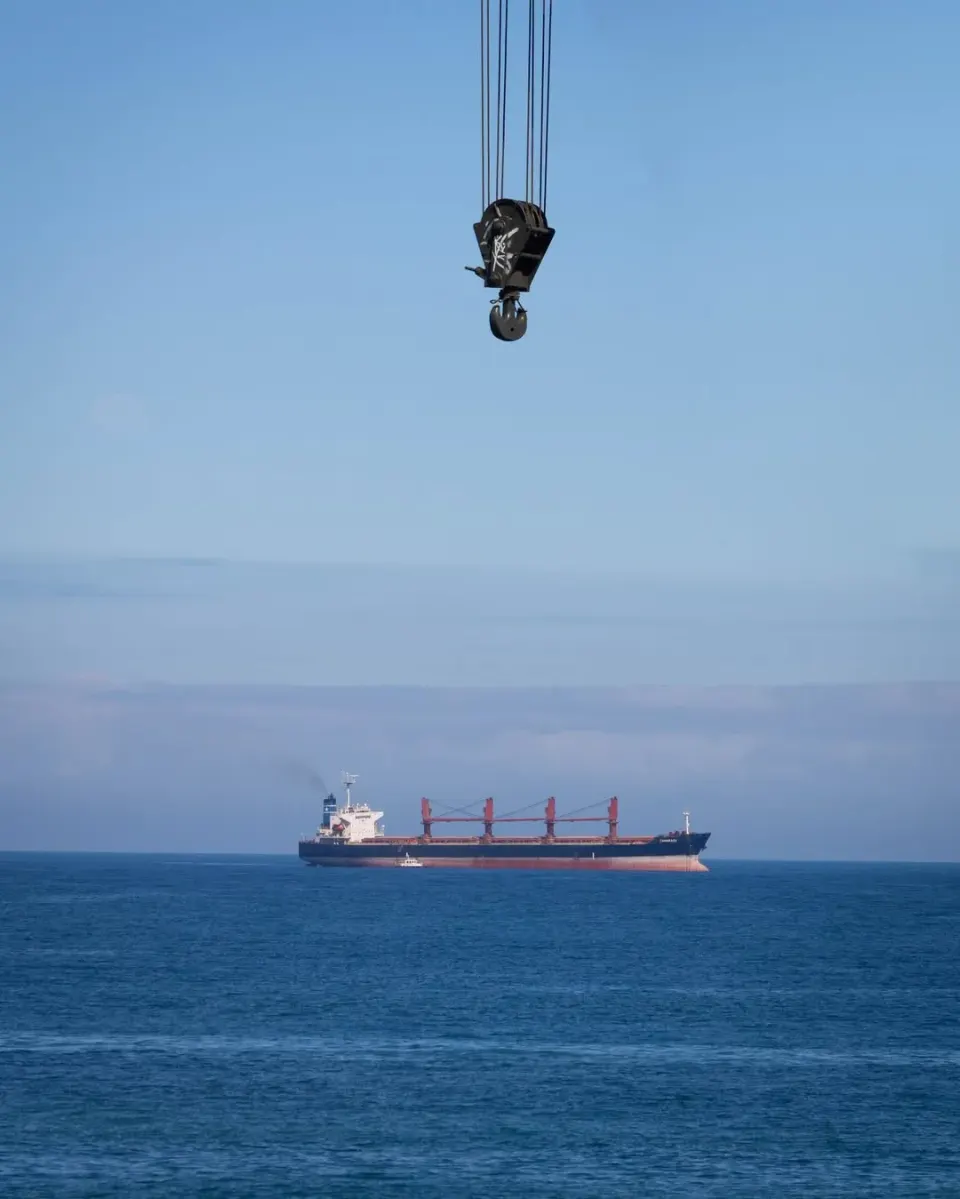
A senior advisor to the commander-in-chief of the Islamic Revolution Guards Corps (IRGC) has asserted that the Strait of Hormuz is closed and under full control of Iran's armed forces. This declaration, if enacted, poses a significant threat to global maritime traffic, as the waterway is a critical chokepoint for oil and gas shipments from the Middle East. The advisor stated that this closure will persist until Iran's "legitimate demands" are met, though these specific demands were not detailed. Such a move would inevitably lead to a sharp increase in global energy prices and could trigger retaliatory measures from international powers, potentially escalating regional tensions.
The economic ramifications for Iran and the global economy could be severe. While the IRGC's assertion of control might be intended to exert leverage, a sustained closure of the Strait of Hormuz would disrupt not only international trade but also Iran's own export capabilities, particularly its oil and gas shipments. This action could lead to increased sanctions and further isolate the country economically. For Iranian citizens, this translates to heightened uncertainty regarding currency stability, potential surges in domestic fuel and goods prices due to import disruptions, and a general decline in market confidence. The unpredictable nature of such geopolitical brinkmanship directly impacts the Toman's value and the overall economic outlook.
Iranian FM Spokesperson Cites 'False Flags' Amidst War Justification Claims
Iran's Foreign Ministry spokesperson, Esmaeil Baqaei, has accused unnamed parties of employing "false flags" to manufacture incidents and justify military aggression. This statement comes amid ongoing international scrutiny and conflict involving Iran, suggesting that Tehran perceives a concerted effort to create pretexts for actions against it. By framing these alleged incidents as "false flags," Iran aims to delegitimize any narrative that assigns blame to its forces or actions, positioning itself as a potential victim of manufactured provocations rather than an aggressor.
This rhetoric serves a dual purpose: to rally domestic support by portraying Iran as a target of international conspiracy and to undermine the international legitimacy of any military or economic actions taken against it. The implication is that any negative events or escalations could be staged or misrepresented by adversaries seeking to escalate conflict. For the Iranian public, such statements reinforce a narrative of external threat and can influence perceptions of the country's economic situation, potentially justifying hardship as a consequence of foreign hostility rather than internal policy failures. It also feeds into expectations about currency movements, as geopolitical friction often correlates with increased volatility in the Toman.

Russia Intensifies Ukraine Strikes; Kyiv Accuses Moscow of 'Birthday Gift' Bombardment
Ukraine has reported that Russia conducted a significant overnight bombing campaign, targeting an apartment block in Pryluky and killing at least nine people, including three children. Ukrainian officials, including President Volodymyr Zelenskyy, have accused Russia of deliberately targeting civilians and residential areas as a grim "birthday gift" for Russian President Vladimir Putin, whose 74th birthday falls on Wednesday. Zelenskyy condemned the attacks as "despicable" and "painful and demonstrative," suggesting a deliberate escalation in Russia's strategy of terror against Ukrainian infrastructure and civilian populations.
These intensified strikes underscore the brutal and indiscriminate nature of the ongoing conflict, with Russia seemingly employing tactics aimed at maximizing psychological impact alongside physical destruction. The targeting of civilian areas, especially on a significant date for the Russian leadership, suggests a hardening of resolve or a strategic shift in Moscow's approach to the war. For global markets, such escalations typically lead to increased risk aversion, potentially impacting energy prices if supply routes are threatened or if sanctions are tightened further. While not directly impacting Iran's currency or gold prices in this instance, the broader geopolitical instability fuels a general sense of unease that can indirectly affect investor confidence and market sentiment worldwide.
Ukraine's Energy Infrastructure Under Renewed Russian Assault
Recent Russian attacks have targeted Ukraine's energy infrastructure, raising concerns about the country's ability to maintain power and heating amidst the ongoing conflict. While specific details on the extent of the damage and its immediate impact on civilian life were not fully elaborated in the provided news snippets, such strikes are characteristic of Russia's broader strategy to cripple Ukraine's war-making capabilities and demoralize its population. These assaults on critical infrastructure often have cascading effects, impacting industrial production, transportation, and the overall economic stability of the targeted nation.
The renewed focus on energy facilities signals a potential escalation in Russia's campaign, especially as winter approaches and energy security becomes a paramount concern for Ukraine and its allies. The international community often responds to such escalations with further sanctions or aid packages, further entrenching the geopolitical divide. For markets, this means continued volatility in energy commodities and a sustained risk premium on geopolitical instability, though the direct impact on the Iranian Toman or gold prices would be indirect, primarily through a general increase in global risk aversion.
Frequently Asked Questions
What is the current status of the Strait of Hormuz according to Iranian officials?
Why is Ken Paxton, the Texas Attorney General, mentioning the 'Iran war'?
What is Iran's official stance on the use of 'false flags'?
How are Russia's recent attacks in Ukraine being described?
Why the Strait of Hormuz Matters for Global Oil and Gas Prices
The Strait of Hormuz is a narrow waterway, only about 21 miles (34 km) wide at its narrowest point, that links the Persian Gulf with the Gulf of Oman and the wider Indian Ocean. It sits between the Iranian coast to the north and the United Arab Emirates (UAE) and Oman to the south. Because almost all of the world’s oil exports from the Gulf states – Saudi Arabia, Kuwait, Iraq, the UAE, and Qatar – must pass through this chokepoint, the strait is a critical artery for the global energy system.
Despite its modest size, the strait handles roughly 20‑30% of the world’s petroleum liquids and about 30% of the global liquefied natural gas (LNG) trade in transit each day. According to the U.S. Energy Information Administration, more than 18 million barrels of crude oil and refined products flow through Hormuz every day. This concentration means that any disruption – whether a naval incident, a mined vessel, or a deliberate closure – can instantly tighten global supply and push oil and gas prices upward.
The strait has a long history of geopolitical tension. During the 1980‑1988 Iran‑Iraq War, Iran mined the waterway and attacked neutral tankers, prompting the U.S. Navy’s Operation Earnest Will to escort commercial ships. More recently, in 2019 Iran threatened to block the passage in response to U.S. sanctions, and in 2023 it again warned of a closure if its demands were not met. Such “false‑flag” or threat‑based actions are often used by state actors to exert pressure without actually shutting the waterway, because the economic fallout would be immediate and severe.
When traders anticipate a possible closure, they price in a geopolitical risk premium that lifts Brent and WTI crude futures, which then filters through to gasoline and diesel prices at the pump. Higher oil prices also raise the cost of shipping goods worldwide, feeding into inflationary pressures in many economies. Consequently, policymakers and market participants watch the strait closely, and any rhetoric from Iran’s Islamic Revolutionary Guard Corps (IRGC) or from regional leaders can ripple through global markets, influencing everything from household energy bills to the profitability of multinational corporations.
Topics
Related Articles