Ukraine Bus Attack Kills 30; Iran Tanker Attacks Spike Oil Prices; Fund Manager Quits AI Trade
حمله روسیه به اتوبوس در اوکراین ۳۰ کشته برجای گذاشت؛ حملات تانکرها در هرمز قیمت نفت را بالا برد؛ مدیر صندوق از تجارت هوش مصنوعی دست کشید
A deadly Russian missile strike on a bus in Kramatorsk, Ukraine, has killed at least 30 civilians, escalating the conflict. Meanwhile, reports of increased Iranian attacks on tankers in the Strait of Hormuz have driven oil prices up significantly, while a prominent fund manager is shifting away from AI investments.
At time of publishing
USD
268,000
Toman
Gold 18K
26.37M
Toman / gram
Bitcoin
$82,540
US Dollar
Tether
267,978
Toman
Deadly Russian Strike on Ukrainian Bus Kills 30
Russian forces have launched a devastating missile attack on a civilian bus in Kramatorsk, a city in Ukraine's eastern Donetsk region, killing at least 30 people and wounding 18. Officials reported the aerial bomb strike occurred around 10 AM local time, with local public transport services subsequently suspended. This incident marks one of the most severe attacks on Ukrainian civilians by Moscow in recent times and has drawn accusations from Ukraine that Russia is deliberately targeting non-combatants.
The attack underscores the brutal realities of the ongoing conflict, highlighting the continued disregard for civilian life amidst intensified fighting. The incident is likely to further inflame international condemnation of Russia's actions and could prompt renewed calls for stricter sanctions and increased military aid to Ukraine. For global markets, such escalations in geopolitical hotspots invariably create uncertainty, potentially impacting energy prices and investor confidence.
---
Oil Prices Surge Amid Escalating Hormuz Tensions and Iranian Attacks
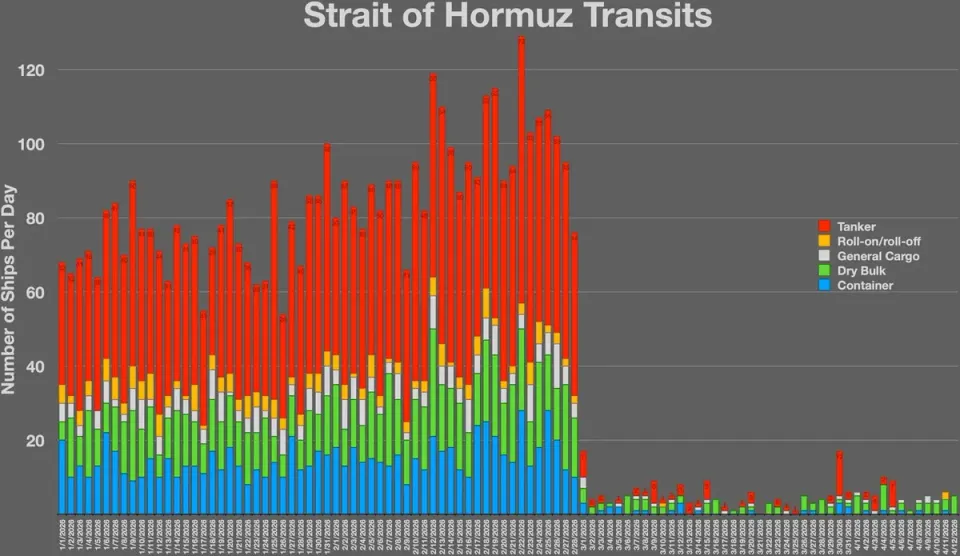
Oil prices have seen a significant jump, with Brent crude climbing back above $105 per barrel and West Texas Intermediate also rising sharply. This surge is directly linked to reports of increasingly frequent Iranian attacks on tankers traversing the Strait of Hormuz, a critical chokepoint for global oil supply. The heightened risk in the region has prompted tanker captains to demand substantial bonuses, with salaries reportedly reaching $100,000 plus an additional $50,000 per trip for navigating the strait.
This renewed volatility in energy markets is a direct consequence of geopolitical instability in the Middle East. The increased danger for shipping routes not only drives up the immediate cost of oil but also raises concerns about potential supply disruptions. For economies reliant on oil imports, including Iran and many of its trading partners, this translates into higher inflation and increased operational costs. The market is closely watching for any further escalation or de-escalation, as these attacks directly impact global energy security and economic stability.
---
Fund Manager Pivots from AI to Housing Market Bets
Bill Hench, a fund manager at First Eagle, has reportedly stepped away from the artificial intelligence (AI) trade, a sector that saw substantial gains earlier in the year. After achieving a 33% return in the first half of the year from AI-related investments, Hench has expressed a shift in strategy, now focusing on small-capitalization bets anticipating a recovery in the U.S. housing construction market.
This strategic pivot by a seasoned investor signals a potential cooling-off or re-evaluation of the AI sector's valuation and future growth prospects. While AI has been a dominant theme in markets, this move suggests that some sophisticated investors are seeking opportunities in more traditional, cyclical sectors that may be poised for a rebound. For the broader market, such shifts can indicate changing investor sentiment and a search for diversified growth avenues beyond the currently hyped tech trends, potentially impacting valuations across different market segments.

---
Palestinian Businessman Questions October 7 Gains Amid Regional Conflict
Naguib Sawiris, an Egyptian businessman, has stated that Palestinian gains from the October 7 attacks have been negligible, describing the event as a "horrible act of terrorism" that brought "only destruction" to Palestinians. In an interview, Sawiris also expressed concerns about an "expansionist" Israeli government and noted the ongoing economic fallout from the Iran war.
Sawiris's comments reflect a broader discussion about the efficacy and consequences of militant actions in achieving political objectives. His remarks, particularly regarding the economic impact of regional conflicts, resonate with concerns about how such events affect global markets, investment flows, and trade. The mention of the "Iran war" and its economic consequences highlights the interconnectedness of geopolitical events and their tangible impact on regional and global economies, potentially influencing currency exchange rates and commodity prices.

Frequently Asked Questions
What is the current geopolitical situation impacting oil prices?
What are the implications of the Russian attack in Kramatorsk for Ukraine?
Why is a fund manager moving away from AI investments?
What is the economic impact of the Iran war mentioned by Naguib Sawiris?
Understanding Supply Shocks in Global Markets
A "supply shock" is a sudden and unexpected event that significantly alters the supply of a commodity or service, often leading to rapid and dramatic price fluctuations. These shocks can be positive, increasing supply and lowering prices, but are more commonly negative, reducing supply and causing prices to surge. The recent headline mentioning "Iran Tanker Attacks Spike Oil Prices" serves as a prime example of a negative supply shock impacting the global energy market.
In the context of oil, geopolitical events are a frequent catalyst for supply shocks. The Strait of Hormuz, a narrow waterway between the Persian Gulf and the Gulf of Oman, is a critical maritime choke point through which a substantial portion of the world's seaborne oil supply passes daily. Any disruption or perceived threat to shipping in this region, such as tanker attacks, immediately raises concerns about the reliability of oil supply. This uncertainty alone can trigger speculative buying and drive up crude oil prices, even before any actual physical supply reduction occurs.
The immediate consequence of an oil supply shock is a spike in prices, which then ripples throughout the global economy. Higher oil prices translate to increased costs for transportation, manufacturing, and ultimately, consumer goods. This can fuel inflation, reduce purchasing power, and slow economic growth, potentially leading to broader economic instability. Governments and central banks often face difficult choices in responding to such shocks, balancing the need to control inflation with supporting economic activity.
Understanding supply shocks is crucial for comprehending global economic dynamics. They highlight the interconnectedness of geopolitics, energy markets, and everyday economic well-being. While the immediate focus might be on the price of oil, the underlying principle of a sudden supply disruption affecting market equilibrium applies to various sectors, from agricultural commodities impacted by weather events to technological components affected by factory closures.