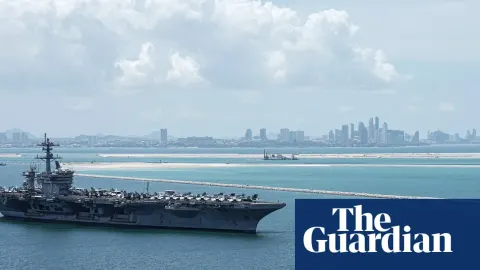
Oil Hits $105 as Tanker Attack and Hurricane Milton Squeeze Global Supply Chains
جهش قیمت نفت به ۱۰۵ دلار در پی حمله به نفتکش در خلیج فارس و تهدید طوفان در آمریکا
Brent crude has surged 5% to cross the $105 mark as geopolitical volatility in the Persian Gulf collides with extreme weather in the United States. With a tanker hit off the coast of Qatar and Treasury yields climbing, the global economy is bracing for a high-inflation autumn.
At time of publishing
USD
267,500
Toman
Gold 18K
26.33M
Toman / gram
Bitcoin
$82,366
US Dollar
Tether
268,110
Toman
Energy Markets Ignite as Brent Surpasses $105
The global energy landscape shifted violently on Thursday, October 8, 2026, as Brent crude oil prices jumped 5% to reach $105.3 per barrel. This sudden spike is the result of a perfect storm: escalating military tensions in the Middle East and a massive hurricane threat looming over the U.S. Gulf Coast. The White House has reportedly begun reviewing options for further strikes in the region, a move that has sent shockwaves through global bond markets. For Iranian observers, this surge is a double-edged sword; while higher prices theoretically increase the value of energy exports, they are also driving a speculative rally in the domestic currency market, where the US Dollar rose from 265,900 to 267,500 Toman (+0.6%) in just 24 hours.
This price action isn't just about supply numbers; it’s about fear. The possibility of a squeeze on production from the U.S. coast—where Hurricane Milton is expected to disrupt refining capacity—combined with the risk of a wider regional conflict has forced institutional investors to sell off stocks and flee to the safety of commodities. In India, a major consumer of energy, inflation has already accelerated to 5.4% as a direct consequence of these soaring costs. The spillover effect is real and immediate, as rising energy prices begin to bleed into the cost of food and transportation globally, creating a persistent inflationary cycle that central banks are struggling to contain.

Maritime Security Breached: Tanker Attack and Espionage
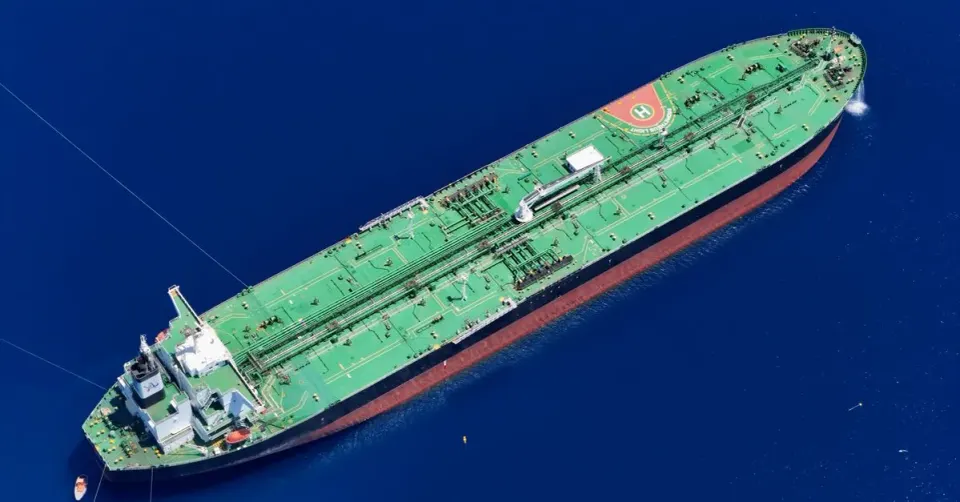
Security in the Persian Gulf reached a new level of fragility today following reports that the oil and chemical tanker, Acers, was hit by multiple projectiles in the waters off Qatar. The maritime intelligence firm monitoring the vessel confirmed casualties on board, though the full extent of the damage remains unclear. This attack marks a significant escalation in the targeting of commercial shipping in one of the world’s most critical energy corridors. The incident has immediate implications for maritime insurance rates, which are expected to skyrocket, further adding to the final cost of oil delivered to international markets.
Simultaneously, the shadow war between Western powers and Russia has spilled into the courtroom. A 24-year-old Royal Navy sailor appeared at Westminster Magistrates’ Court today, accused of preparing to spy for Russia. The sailor, arrested at his home in Bedfordshire, represents a serious security breach for the UK military at a time of heightened global tension. These twin stories of maritime kinetic attacks and domestic subversion highlight a world where traditional boundaries of conflict are blurring, leaving markets on edge as they attempt to price in the risk of state-sponsored sabotage against critical infrastructure.
Markets Struggle with Rising Yields and Diplomatic Friction
In the financial heart of the West, the S&P 500 is feeling the weight of multi-decade highs in Treasury yields. Technology remains the only sector showing resilience since early September, while all other ten sectors of the S&P 500 have succumbed to the pressure of rising interest rates. Investors are increasingly concerned that the 'higher for longer' interest rate environment, combined with energy-driven inflation, will choke off economic growth. This has led to a quiet crash in the earlier winners of 2026, as capital rotates out of sensitive stocks and into defensive positions or high-yield bonds that offer more certainty in an uncertain geopolitical climate.
On the diplomatic front, tensions between Tehran and Berlin have resurfaced at the Inter-Parliamentary Union (IPU) Assembly in Tanzania. Manouchehr Mottaki, representing the Iranian side, filed a formal complaint against a German lawmaker for remarks that allegedly violated assembly rules. While such diplomatic spats are common, they reflect the deepening divide between Iran and European powers over regional security and human rights. For the average Iranian citizen, these high-level disagreements often translate into continued economic isolation and a volatile exchange rate, as seen in the Emami coin's rise to 270,000,000 Toman, reflecting a 0.6% increase as the public seeks refuge in hard assets.

Frequently Asked Questions
Why did oil prices jump 5% today?
How has the Iranian market reacted to the global oil surge?
What happened to the tanker off the coast of Qatar?
Why is the technology sector the only one gaining in the S&P 500?
Understanding Supply Shocks and Their Economic Impact
A supply shock refers to a sudden, unexpected event that significantly alters the supply of a commodity or service. These shocks can be either positive, leading to an increase in supply and a fall in prices, or negative, causing a decrease in supply and a surge in prices. The news headline, with its mention of a tanker attack and a hurricane, describes classic examples of negative supply shocks that directly impact the global oil market.
When a negative supply shock occurs, such as a natural disaster disrupting oil production or a geopolitical event hindering shipping routes, the available supply of the commodity — in this case, oil — quickly diminishes. If demand remains constant or even increases, the basic principles of supply and demand dictate that prices will rise sharply. This mechanism explains why oil prices would hit $105 following such disruptions, as the market reacts to a sudden scarcity.
Beyond the immediate price spike in the affected commodity, supply shocks can have far-reaching economic consequences. For a critical commodity like oil, increased prices translate into higher costs for transportation, manufacturing, and energy production across various industries. This widespread increase in input costs can then lead to cost-push inflation, where businesses pass on their higher expenses to consumers through elevated prices for goods and services. This ripple effect can contribute to broader global inflation, impacting household budgets and potentially slowing economic growth.
Central banks often face a dilemma in responding to supply-side inflation, as raising interest rates to curb inflation might further dampen economic activity already stressed by higher costs. Understanding supply shocks is crucial for comprehending market volatility, inflationary pressures, and the complex interplay between geopolitical events, natural phenomena, and global economic stability.
Topics
Related Articles