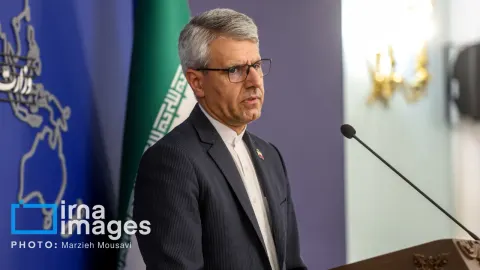
Pezeshkian Defies 'Bullying' as Miami Peace Talks Reshape Global Risk Outlook
تأکید پزشکیان بر ایستادگی در برابر «زورگویی»؛ سایه مذاکرات صلح میامی بر بازارهای جهانی
President Pezeshkian calls for technological self-reliance to resist international pressure as the Iranian Rial sees a marginal gain. Meanwhile, high-stakes negotiations in Miami aim to draft a roadmap for ending the Ukraine war amidst shifting US energy policies.
At time of publishing
USD
267,000
Toman
Gold 18K
26.48M
Toman / gram
Bitcoin
$82,756
US Dollar
Tether
266,482
Toman
Pezeshkian Issues Defiant Stance Amid Economic Pressure
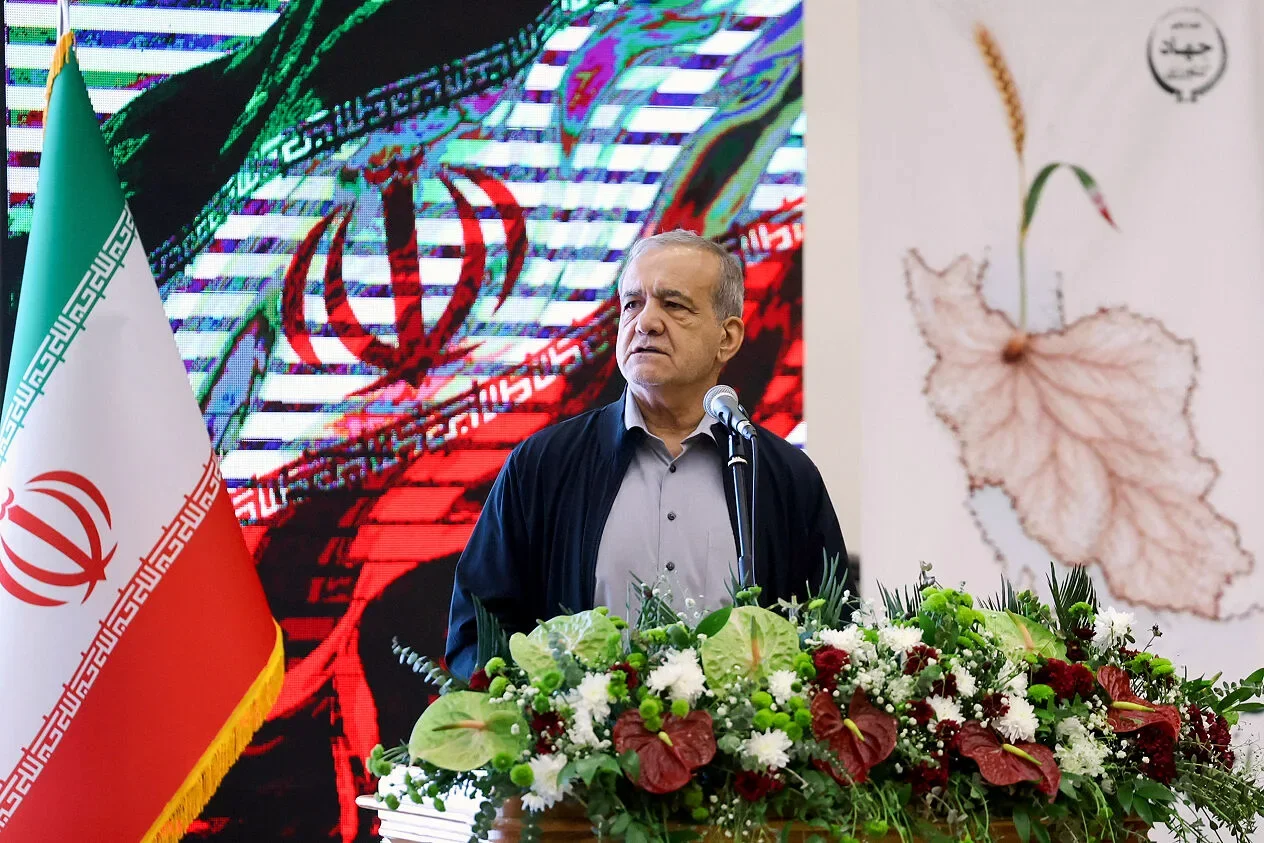
President Masoud Pezeshkian, speaking in Karaj on Saturday, October 10, 2026, delivered a sharp message to the international community, asserting that Iran must not "bow to bullying or unfair treatment." His remarks focused on the necessity of advancing scientific knowledge and productivity as a shield against external pressures. Pezeshkian’s rhetoric comes at a time when the Iranian economy continues to navigate the complexities of long-standing sanctions and a volatile currency market. By framing technological advancement as a form of national defense, the President is signaling that the administration’s strategy is to pivot toward internal growth rather than awaiting a diplomatic breakthrough that might not materialize under current global tensions.
For the average Iranian citizen, this stance suggests a continuation of the "resistance economy" policies that have defined the past decade. While the President emphasizes self-reliance, the immediate impact on the ground is reflected in the currency markets. At the 12:00 Tehran mark, the US Dollar (USD) sell rate was recorded at 267,000 Toman, a slight decrease of 0.1% from the previous day's 267,400. This marginal gain for the Rial provides a temporary breather, but the underlying inflationary pressures remain a concern for households. The President's call for modern technology usage is an admission that the current industrial base requires a significant upgrade to remain competitive and resilient against further isolation.

Miami Negotiations: A New Blueprint for the Ukraine Conflict
In a significant geopolitical shift, negotiators from the United States, Europe, and Ukraine gathered in Miami on Friday to hammer out a joint proposal aimed at ending the war in Ukraine. These discussions are particularly noteworthy because they occur alongside President Donald Trump’s controversial decision to ease restrictions on Russian fuel, a move that has sparked intense debate among lawmakers and drew a sharp response from Ukrainian President Volodymyr Zelensky. The Miami talks represent a high-stakes attempt to find a middle ground between the new US administration's pragmatic energy policies and the security concerns of European allies.
This development has far-reaching implications for global markets, particularly in the energy sector. If a concrete peace plan emerges, it could stabilize oil and gas prices, which have been a primary driver of global inflation over the past few years. However, the internal friction within the Western alliance—specifically regarding the easing of fuel sanctions on Russia—adds a layer of uncertainty. For investors and market observers, the outcome of these "constructive discussions" will determine the global risk appetite for the remainder of the year. Any sign of a durable peace could trigger a rally in risk assets, while a breakdown in communication could lead to renewed volatility in the commodities market.
India’s Youth Movement and Regional Stability
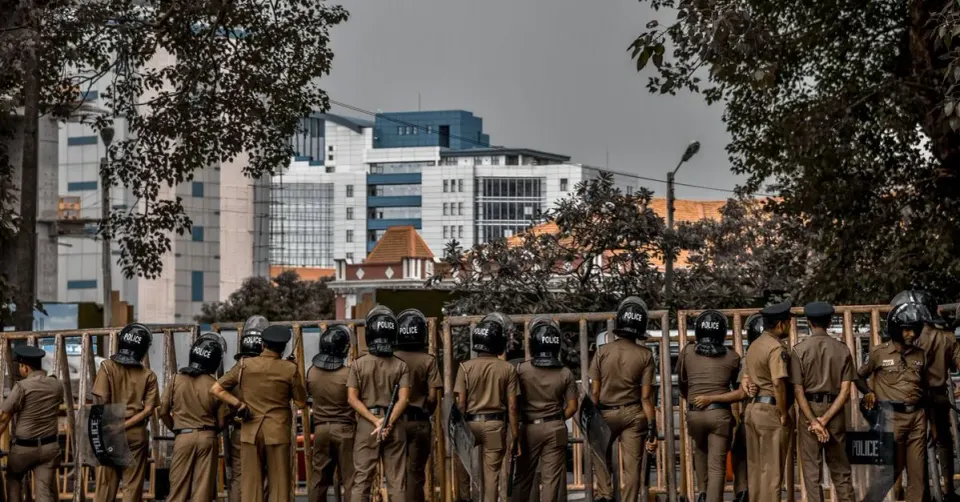
While high-level diplomacy takes place in Florida, a different kind of tension is boiling over in India. Members of the "Aren" youth protest movement have voiced their fury after being intercepted by police and blocked by barricades at major transit hubs. The movement, which has gained significant traction among the nation's youth, is challenging the status quo and demanding greater transparency and opportunity. The heavy-handed police response has only served to galvanize the protesters, who are now questioning their place within the nation’s democratic framework. This internal unrest in one of the world's largest economies is a signal of growing social friction that could impact regional trade and investment.
For Iran, stability in India is of strategic importance given the bilateral trade ties and India's role in regional projects like the Chabahar port. If the unrest escalates, it could disrupt supply chains and economic cooperation in the South Asian corridor. Furthermore, the global trend of youth-led movements demanding systemic change is a phenomenon that governments worldwide are watching closely. The "fury" described by Indian youth is a symptom of broader economic anxieties that are not unique to India, highlighting a global challenge of aligning political governance with the aspirations of a younger, more connected generation.
Market Realities: Gold and Currency Trends
Back in the domestic sphere, the Iranian gold market is showing signs of decoupling from the slight decline in the Dollar. While Gold 18k per gram saw a minor dip of 0.1%, moving from 26,508,610 to 26,478,600 Toman, the benchmark Emami coin rose by 0.7%, reaching 272,000,000 Toman. This divergence often indicates that local investors are seeking refuge in minted coins as a hedge against future uncertainty, even when the spot price of gold or the currency remains relatively stable. The rise in coin prices suggests a lack of confidence in long-term currency stability, despite the government's rhetoric of resilience.

As Hurricane Isaias makes landfall in Florida and Alabama, causing power outages for hundreds of thousands, the global focus remains on the resilience of infrastructure and the economy. Whether it is a natural disaster in the US or a political speech in Iran, the common thread is the search for stability in an increasingly unpredictable world. For the Iranian reader, the takeaway is clear: while the Rial may hold its ground for a day, the broader geopolitical and social shifts—from Miami to New Delhi—will continue to dictate the long-term trajectory of the Toman and the cost of living.
Frequently Asked Questions
چرا قیمت سکه امامی با وجود کاهش قیمت دلار افزایش یافته است؟
تأثیر مذاکرات صلح میامی بر اقتصاد ایران چیست؟
جنبش «آرن» در هند چه تاثیری بر روابط تجاری با ایران دارد؟
Understanding Geopolitical Risk: How Global Events Shape Our World
Geopolitical risk refers to the potential for international political events, conflicts, or instability to impact economies, markets, and overall global stability. It encompasses a wide array of factors, from diplomatic tensions and trade disputes to regional conflicts, elections, and even the rhetoric of national leaders. Unlike traditional economic risks, geopolitical risks are often unpredictable and can rapidly shift market sentiment, leading to significant economic consequences that extend far beyond the immediate region of an event. Understanding this concept is crucial for anyone seeking to comprehend the intricate connections between politics, international relations, and financial well-being.
The ripple effects of geopolitical risk are evident across various sectors. For instance, discussions at peace talks, like those in Miami concerning Ukraine, or strong statements from political figures, such as Pezeshkian's defiance of 'bullying,' can directly influence investor confidence and commodity prices. Currency exchange rates, like the USD/IRR, are highly sensitive to perceptions of political stability and future economic sanctions or agreements. Furthermore, a country's pursuit of technological self-reliance, as seen in Iran, is often a strategic response to mitigate vulnerabilities stemming from geopolitical tensions and potential supply chain disruptions.
Businesses and investors constantly monitor geopolitical developments because they can trigger sudden shifts in supply chains, alter consumer demand, and introduce regulatory uncertainties. A perceived increase in global risk can lead to capital flight from emerging markets, higher borrowing costs for governments, and volatility in stock and bond markets. Conversely, a reduction in geopolitical tensions can spur investment and economic growth. The ongoing interplay between political decisions and economic outcomes underscores why geopolitical risk is a permanent fixture in global financial analysis.
Ultimately, grasping geopolitical risk allows us to better interpret headlines that seem disparate—from peace negotiations to currency fluctuations and national industrial strategies. It provides a framework for understanding how the actions of nations and leaders, diplomatic efforts, and underlying power dynamics are not just matters of international politics but fundamental drivers of global economic health and individual prosperity.
Topics
Related Articles