
Mystery of the Skies: New Earhart Expedition Leads Global News as Riyadh Airport Faces Renewed Attacks
معمای آسمان: اعزام تیم جدید برای کشف بقایای آملیا ارهارت همزمان با حملات مجدد به فرودگاه ریاض
A high-stakes expedition sets off to solve the Amelia Earhart mystery just as regional tensions flare with a fresh attack on Riyadh's international airport. Meanwhile, the Toman strengthens slightly amid global market volatility and a new Bitcoin-backed insurance breakthrough.
At time of publishing
USD
265,400
Toman
Gold 18K
26.42M
Toman / gram
Bitcoin
$82,933
US Dollar
Tether
265,075
Toman
The Final Search for Amelia Earhart
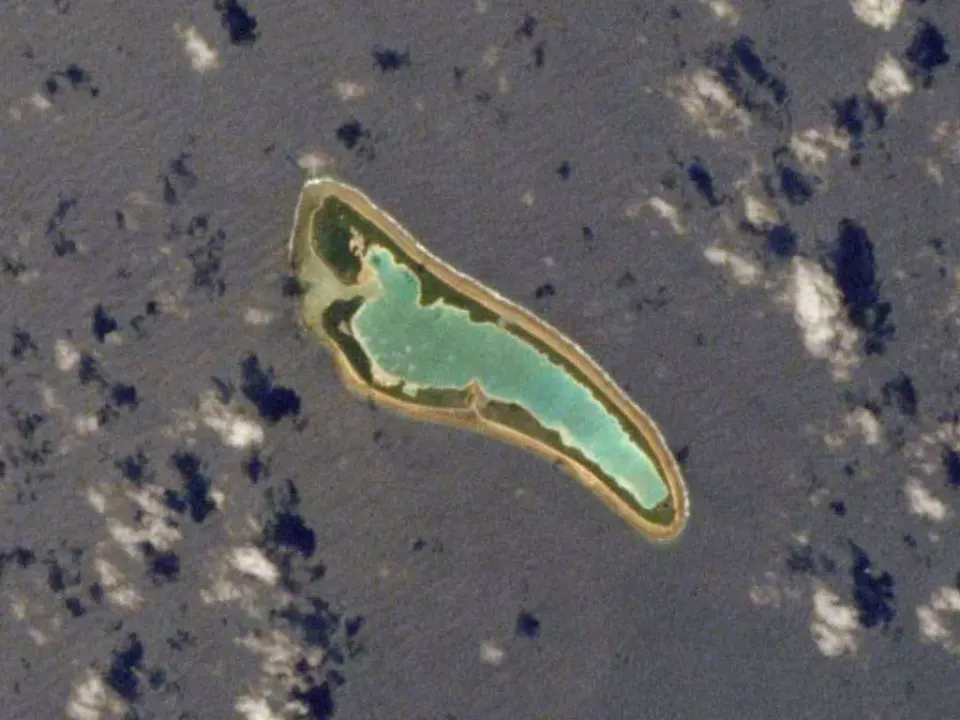
Nearly nine decades after her Lockheed Electra vanished over the Pacific, a new expedition is setting sail with the hope of finally solving the mystery of Amelia Earhart’s 1937 disappearance. This latest effort focuses on a remote island in the western Pacific, where researchers believe they have identified potential debris patterns consistent with a crash landing. Unlike previous attempts, this mission utilizes advanced underwater submersibles and high-resolution imaging technology that can map the seafloor with unprecedented precision. The search is not just a quest for historical closure; it represents the pinnacle of modern maritime archaeology, testing the limits of how we recover the past from the deepest reaches of the ocean.
Why does this matter now? Beyond the romanticism of the aviator’s story, the expedition highlights the rapid advancement in deep-sea exploration technology. If the plane is found, it would validate years of forensic analysis and satellite-enhanced search patterns that were previously impossible. For the global audience, the Earhart mystery remains a powerful symbol of human daring and the unresolved questions of the 20th century. This mission carries the weight of history, as the world watches to see if 2026 will be the year the sky’s greatest secret is finally revealed.
Regional Escalation: Riyadh Airport Under Fire
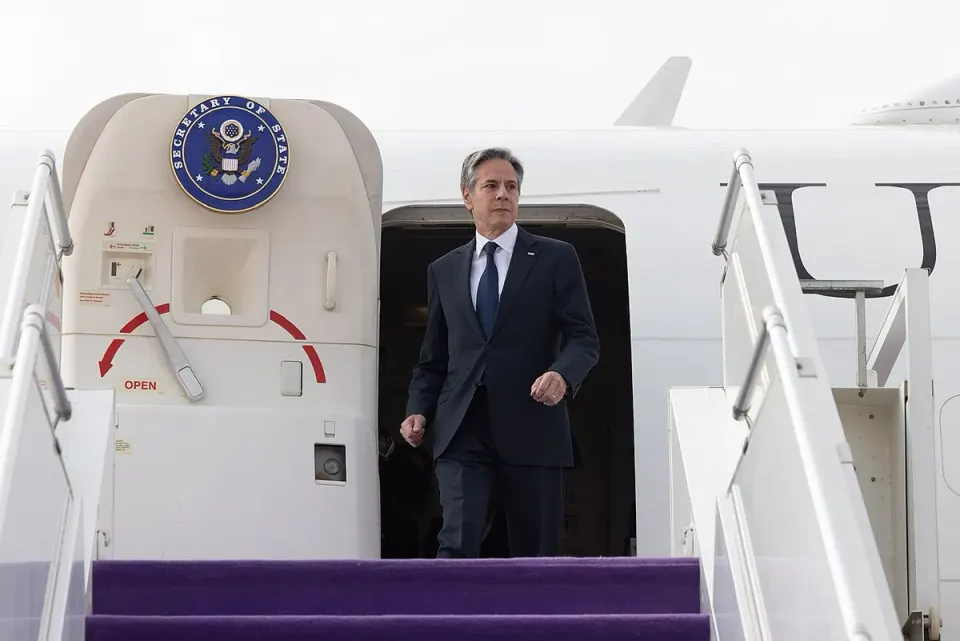
Geopolitical stability in the Middle East faced a sharp test on Saturday as Saudi authorities were forced to suspend operations at Riyadh’s King Khalid International Airport. This decision followed a fresh attack that left multiple people wounded, marking a dangerous escalation in regional hostilities. While Saudi officials attributed the violence to Houthi forces, the group has yet to officially claim responsibility for this specific Saturday incident. The disruption at one of the region’s busiest aviation hubs has sent ripples through the travel and logistics sectors, raising immediate concerns about the safety of commercial corridors in the Persian Gulf and surrounding territories.
This attack is particularly significant because it targets the heart of Saudi Arabia’s infrastructure, moving beyond border skirmishes into the capital's vital organs. For Iranian observers, these developments are a reminder of the fragile nature of regional de-escalation efforts. Market participants often view such attacks as precursors to increased volatility in energy prices and currency shifts. The suspension of airport operations serves as a concrete manifestation of how regional conflict can instantly paralyze economic activity, forcing a recalculation of risk for investors and travelers alike.
Market Resilience and the Sam Altman Bitcoin Pivot
On the economic front, the Iranian Toman showed surprising resilience today, Saturday, October 10, 2026. The USD/IRR exchange rate moved from 267,400 to 265,400, representing a 0.7% gain for the local currency. This strengthening comes despite the regional tension, suggesting that internal liquidity controls or local sentiment may be overriding external geopolitical shocks for the moment. Gold prices followed suit with a minor correction, as 18k gold dropped from 26,508,610 to 26,420,887 Toman per gram (-0.3%). This cooling of the domestic gold market provides a brief window of stability for retail buyers who have been grappling with high inflation.
In the broader world of finance, Sam Altman has once again made waves by backing a Bermuda-based life insurer that operates entirely on Bitcoin. The company recently raised $37.5 million, driven by surging demand from wealthy families in Asia and the Middle East who are looking to hedge against traditional fiat currency risks. This move signals a major shift in how digital assets are being integrated into legacy financial products like life insurance. For the average investor feeling like a "loser" in today's swinging stock markets, this Bitcoin-centric model offers a glimpse into a future where crypto is not just a speculative tool, but a foundational layer for long-term financial security.

Diplomatic Friction in Athens
In Europe, a diplomatic scandal is brewing that has caught the attention of the international community. Allegations against Kimberly Guilfoyle, the U.S. Ambassador to Greece, have led to a sense of exasperation and resignation in Athens. The claims involve requests for donors to pay off personal debts before she assumed her diplomatic post. Such allegations, if proven, threaten to undermine the integrity of diplomatic appointments and strain the relationship between Washington and one of its key Mediterranean allies. The Greek public and political class are watching closely, as the story evolves into a broader debate about political accountability and the vetting process for high-level officials.
This situation underscores the delicate balance of international relations, where personal conduct can have outsized effects on national policy. For observers of global politics, the scandal in Athens is a reminder that internal domestic issues in the United States often spill over into the international arena, affecting how allies perceive American leadership. As Greece navigates its own economic and security challenges, the presence of a compromised or distracted ambassador could hinder critical cooperation on regional energy and migration issues, making this more than just a headline about personal misconduct.
Frequently Asked Questions
Why is the new Amelia Earhart expedition different from previous ones?
How did the Riyadh airport attack affect the Iranian market?
What is a Bitcoin-backed life insurance policy?
Understanding Iran’s Currency Devaluation and Black‑Market Exchange Rates
Iran’s official exchange rate for the rial (or its newer unit, the toman) is set by the Central Bank of Iran, but a parallel market – often called the black market – trades the currency at a much higher price in foreign currency terms. This dual‑rate system emerged after years of sanctions, fiscal deficits, and a reliance on oil revenues that could not keep pace with inflation. When the official rate is artificially low, importers, exporters, and ordinary citizens turn to the black market to obtain the foreign dollars they need for trade, travel, or savings, pushing the unofficial rate even higher.
The mechanism behind a devaluation is straightforward: the supply of the local currency outstrips demand, or confidence in the economy erodes, prompting holders to sell the currency for more stable assets like the US dollar or gold. In Iran, the government’s attempts to control the rial through foreign‑exchange controls and subsidies have often back‑fired, creating a widening gap between the official and black‑market rates. For example, in October 2026 the official USD/IRR rate hovered around 48,000 rials per dollar, while the black‑market rate was reported near 140,000 rials, a spread that directly affects the price of imported goods and the purchasing power of Iranians.
A high black‑market premium also fuels inflation. When businesses must buy dollars at the higher unofficial rate to import essential goods, those costs are passed on to consumers, leading to price spikes in everything from food to fuel. Moreover, the disparity can distort economic data: official statistics may understate inflation, while households experience the real cost of living. Policymakers therefore face a dilemma – tightening controls can worsen shortages, while liberalising the market can cause short‑term pain as the official rate adjusts toward market reality.
Understanding this dynamic is crucial for anyone tracking Iranian macro‑economic indicators, such as gold prices, the Toman exchange rate, or the cost of travel to places like King Khalid International Airport. The black‑market rate serves as a barometer of market confidence and is often used by analysts to gauge the true state of the Iranian economy, especially when official data are opaque or delayed.
For investors, businesses, and scholars, the lesson is clear: in economies with dual exchange‑rate systems, the unofficial market often tells the more accurate story. Monitoring both rates, along with related indicators like inflation and foreign‑exchange reserves, provides a fuller picture of economic health and the risks associated with currency exposure.
Topics
Related Articles