
Bitcoin Stabilizes in Key Range as Southeast Asia Grapples with Energy Grid Crisis
بیتکوین در محدوده کلیدی ثبات یافت؛ بحران شبکه برق جنوب شرق آسیا چالشساز شد
Bitcoin has entered a consolidation phase, trading within an $81,200-$87,300 range, signaling market indecision after a recent rebound. Meanwhile, Southeast Asia faces a critical energy challenge, with growing power demand straining its weak grid infrastructure despite improving crude oil flows from the Persian Gulf. This hour also sees significant policy debates in Australia and persistent separatist sentiments in Quebec impacting regional stability.
At time of publishing
USD
265,400
Toman
Gold 18K
26.42M
Toman / gram
Bitcoin
$82,959
US Dollar
Tether
265,219
Toman
Bitcoin Finds Footing in a Tight Trading Range
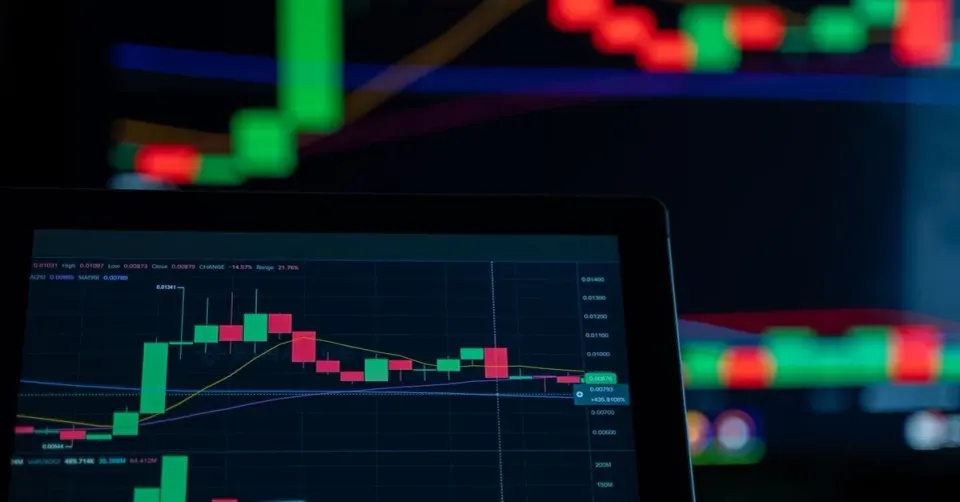
Bitcoin is currently navigating a period of consolidation, trading within a well-defined range of $81,200 to $87,300. After experiencing a weekly slide, the cryptocurrency managed to rebound above the $83,000 mark, settling at $82,959 at this hour. This 'chop zone' indicates a significant tug-of-war between buyers and sellers, reflecting underlying market indecision and a lack of clear directional momentum, as investors weigh various global economic signals.
This stabilization, albeit within a tight band, suggests that Bitcoin might be building a base for its next major move. While the immediate 24-hour price change for BTC is not specified, its current behavior is influenced by broader market sentiment, including concerns over oil prices, bond yields, and geopolitical security fears. For Iranian investors, who often view cryptocurrencies like Bitcoin as a hedge against local economic uncertainties, this period of sideways trading could lead to heightened vigilance, impacting decisions regarding their digital asset portfolios and potentially influencing the demand for stablecoins like USDT.
Southeast Asia’s Energy Grid Under Strain Amid Regional Shifts
Southeast Asian nations are confronting a significant energy paradox: a rapidly escalating demand for power that is severely testing the limits of their existing, often fragile, grid infrastructure. This challenge is unfolding even as the Strait of Hormuz, a critical chokepoint for global oil supplies, is reportedly seeing a resumption of crude oil flows out of the Persian Gulf following earlier regional tensions. The region’s heavy dependence on fossil fuel imports has been highlighted as a critical vulnerability, especially with global crude oil prices remaining elevated.
The underlying issue is not merely supply, but the capacity to distribute and deliver energy reliably across the continent. While the reopening of the Strait of Hormuz is a positive development for global crude supply chains, it does not resolve the fundamental problem of weak national grids that are ill-equipped to handle the steep growth trajectory of energy demand. This situation mandates substantial investment in modernizing and expanding infrastructure to ensure energy security and support economic growth.
For global markets, the ongoing energy infrastructure deficit in Southeast Asia signals persistent inflationary pressures, as the cost of energy production and distribution remains high. For the broader economic outlook, this implies potential bottlenecks for industrial development and increased operational costs for businesses within the region. Iranian observers should note that global energy market stability is a complex interplay of supply routes and robust infrastructure, factors that invariably influence international commodity prices and, by extension, domestic economic indicators like the Toman's value and gold prices.
---
Australia Grapples with Universal Childcare Costs as Albanese Seeks Legacy
Australian Prime Minister Anthony Albanese is making universal childcare a cornerstone of his political legacy, aiming to deliver a system that is both widely accessible and genuinely affordable for all families. This ambitious policy is designed to alleviate financial burdens on parents and significantly boost female participation in the workforce, which would have considerable positive impacts on the national economy. However, the path to achieving this goal is fraught with financial complexities, making the implementation far from straightforward.
The challenge lies in the immense cost associated with establishing and sustaining a truly universal childcare system. Government expenditure would need to be substantial, and the recent experiences of families, such as Rachel Hill's, underscore the urgency of the issue. Hill's decision to increase her work hours to full-time was quickly offset by a corresponding rise in childcare fees, illustrating how current costs can negate efforts to improve family finances and workforce engagement. The Labor government is now under pressure to articulate a clear and sustainable funding model.

This domestic policy debate carries broader economic implications. A successful, well-funded universal childcare program could unlock significant economic potential for Australia by increasing productivity and tax revenues, fostering long-term economic growth. Conversely, a failure to manage the financial aspects effectively could strain national budgets, potentially leading to inflationary pressures or a re-evaluation of other public spending priorities. For international investors, such policy initiatives reflect the fiscal challenges and social priorities of developed economies, influencing perceptions of long-term economic stability and sovereign creditworthiness.
---
Quebec’s Separatist Dream Persists Despite Unlikelihood of Independence
In a recent political development, Quebec's separatist Parti Québécois secured a minority government, a notable outcome given that the broader idea of Quebec independence remains largely unpopular among the province's population. This electoral result underscores a persistent and deeply rooted nationalist sentiment within a segment of the Quebecois electorate, keeping the dream of secession alive even if its practical realization appears increasingly unlikely.
The Parti Québécois's victory, despite not commanding a majority, provides them with a platform to influence provincial policy and maintain the discourse around independence. While they lack the immediate power to trigger a referendum on sovereignty, their presence in government ensures that the question of Quebec's place within Canada continues to be a part of the political conversation, preventing the issue from fading entirely from the public consciousness. This reflects the enduring cultural and linguistic distinctiveness that many Quebecers feel.
This ongoing political dynamic introduces a subtle layer of uncertainty for Canada, particularly concerning national unity and long-term political stability. Although the direct market impact of a minority separatist government is generally limited due to the low probability of actual independence, persistent political tension can subtly affect investor confidence and business decisions within Quebec and across Canada. It serves as a reminder that deeply embedded historical and identity-based movements can continue to shape national politics and economic perceptions for decades.
---
Hourly Market Snapshot: Toman and Precious Metals See Slight Declines
In a quick look at local markets, the Iranian Toman showed a slight strengthening against the US Dollar in the last 24 hours, with the USD moving from 267,400 to 265,400 Toman, marking a decrease of 0.7%. Similarly, precious metals experienced minor adjustments. Gold 18k per gram saw its price shift from 26,508,610 Toman to 26,420,887 Toman, a decline of 0.3%. The Emami coin also recorded a small dip, moving from 270,000,000 Toman to 269,500,000 Toman, representing a 0.2% decrease over the same period.
Frequently Asked Questions
What is the current trading range for Bitcoin and what does it signify?
What are the main energy challenges facing Southeast Asia?
How might Australia's universal childcare policy impact its economy?
Why is the Quebec independence movement still relevant despite low public support?
Proof‑of‑Work Bitcoin Mining and Its Energy Implications
Proof‑of‑Work (PoW) is the consensus mechanism that underpins Bitcoin. In a PoW system, miners compete to solve a cryptographic puzzle; the first to find a valid solution adds the next block to the blockchain and earns newly minted bitcoins plus transaction fees. The difficulty of the puzzle adjusts automatically so that, on average, one block is produced every ten minutes, regardless of how many miners are participating. This design guarantees security and decentralisation, but it also means that the network’s security is directly tied to the amount of computational work—and consequently electricity—being expended.
The electricity required for Bitcoin mining is staggering. The Cambridge Bitcoin Electricity Consumption Index (CBECI) estimates that the network consumes between 80 and 120 terawatt‑hours (TWh) per year, roughly comparable to the total annual electricity usage of a medium‑sized country such as the Netherlands. Much of this power is sourced from fossil‑fuel‑intensive grids, especially in regions where electricity is cheap, such as parts of Southeast Asia, China, and the United States. When the price of Bitcoin spikes, miners are incentivised to crank up their hardware, pushing demand on already strained power systems and sometimes contributing to blackouts.
Southeast Asia’s rapidly growing economies are already grappling with aging transmission infrastructure and limited generation capacity. The surge in mining activity adds a volatile, high‑intensity load that can exacerbate grid instability, especially during peak demand periods or when renewable output dips. In countries like Malaysia and Indonesia, regulators have begun to scrutinise mining operations, imposing licences or even temporary bans to protect the reliability of the electricity supply.
Several mitigation strategies are emerging. Some mining firms are relocating to regions with abundant renewable energy—hydropower in Quebec, wind in Texas, or geothermal in Iceland—to lower both costs and carbon footprints. Others are experimenting with “stranded” energy, using excess power that would otherwise be wasted. On the protocol side, the broader cryptocurrency community is debating alternatives to PoW, such as Proof‑of‑Stake, which dramatically reduces energy consumption by replacing computational puzzles with a stake‑based validation process.
Understanding the energy dynamics of Bitcoin mining is crucial for investors, policymakers, and everyday citizens. The link between price volatility and electricity demand means that a surge in Bitcoin’s market value can have real‑world consequences for power grids, carbon emissions, and electricity prices—issues that extend far beyond the digital realm and affect the broader economy.
Topics
Related Articles