Global War Premium: UK Faces £35bn Budget Gap as Iran Conflict Rattles International Markets
بحران ۳۵ میلیارد پوندی در بودجه لندن؛ سایه سنگین تنشهای منطقهای بر بازارهای جهانی و ثبات دلار
A leading think tank warns the UK government must find £35bn to cover spending gaps driven by the Iran conflict's economic fallout. Meanwhile, Tehran warns against military escalation in Yemen as global markets face rising costs and civil unrest in India.
At time of publishing
USD
264,100
Toman
Gold 18K
26.26M
Toman / gram
Bitcoin
$83,856
US Dollar
Tether
264,070
Toman
The Global 'War Premium' Hits the UK Budget
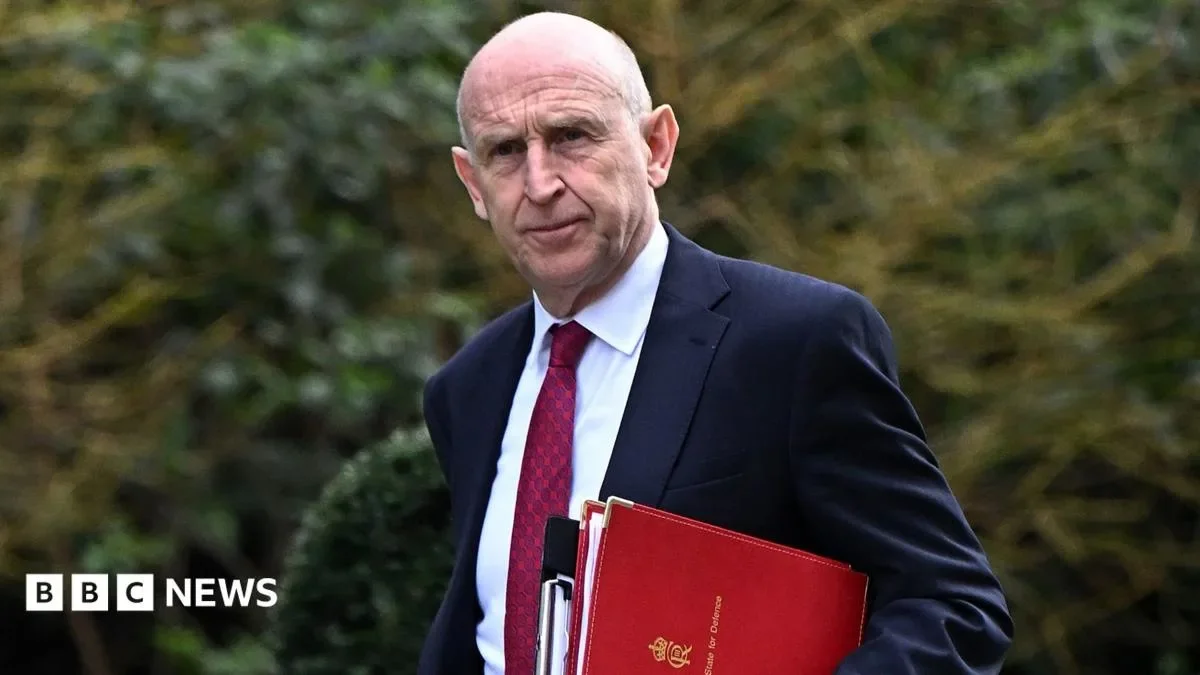
The Institute for Fiscal Studies (IFS) has delivered a sobering report to the UK government, stating that Chancellor Rachel Healey must identify up to £35 billion in new funding or cuts to meet current spending plans. This massive fiscal gap is being directly attributed to the economic shocks radiating from the ongoing conflict involving Iran. The disruption of global trade routes and the necessity for increased defense spending have created a 'war premium' that is now forcing major Western economies to rethink their domestic priorities. For Iranian observers, this underscores the degree to which regional instability is tethered to the global financial system, potentially inviting further international pressure to resolve the crisis.
This fiscal black hole is not merely a localized British issue; it serves as a barometer for how deeply the conflict has penetrated global supply chains. As energy costs fluctuate and logistics become more expensive, the pressure on national budgets grows. For the Iranian economy, this suggests that the international community's tolerance for prolonged regional tension may be thinning, as the domestic political costs in London, Washington, and beyond continue to rise. The likelihood of intensified economic sanctions or aggressive diplomatic maneuvers remains high as these nations struggle to balance their books.

Tehran’s Diplomatic Warning Amid Regional Friction
Foreign Minister Abbas Araghchi has issued a stern warning regarding the situation in Yemen, asserting that a continued military-first approach by international actors will only serve to complicate the regional landscape further. Araghchi’s comments, reported by state media, emphasize a preference for political solutions—a stance that comes as the region remains on high alert following the IRGC’s recent warnings regarding transit in the Strait of Hormuz. This rhetorical positioning highlights the regime's attempt to frame the ongoing instability as a consequence of external military intervention rather than its own regional activities.
For the markets, these diplomatic signals are a mixed bag. While the mention of 'political solutions' can sometimes soothe volatility, the underlying reality of military readiness keeps risk premiums high. Bitcoin continues to trade in a tight but elevated range around $83,856, while the Iranian Toman remains under significant pressure. Despite the talk of diplomacy, the market's lack of confidence is reflected in the USD/IRR rate, which has held steady at a high of 264,100. Investors are clearly looking past the rhetoric toward the tangible risks of further escalation.
Global Unrest and the Cost of Living Crisis
The ripple effects of global instability are manifesting in unexpected ways, from the streets of Delhi to the highways of England. In India, authorities have been forced to shut down several metro stations in the capital to preempt massive protest marches by opposition parties and the 'cockroach' youth movement. These protests, centered on controversial voter list revisions, are symptomatic of a broader global trend of civil unrest fueled by economic anxiety. Meanwhile, in the UK, van drivers are facing an additional £2.5 billion in diesel costs this year alone, a direct consequence of refinery disruptions in the Middle East and Russia.
These seemingly disparate events are linked by a common thread: the increasing cost of maintaining stability in a fractured world. Whether it is the 40% surcharge drivers pay on parking apps as councils scramble for revenue, or the violent clashes in India, the global 'average' citizen is bearing the brunt of geopolitical maneuvers. For Iranians, this context is vital; it shows that while the Toman's stability at 264,100 (+0.0%) might seem like a local victory, it occurs within a global environment where inflation and political friction are the new normal. The domestic gold market reflects this slight cooling, with 18k gold moving from 26,273,142 to 26,259,291 Toman (-0.1%), suggesting a moment of cautious consolidation amid the chaos.

Frequently Asked Questions
چرا جنگ ایران باعث کسری بودجه در بریتانیا شده است؟
وضعیت قیمت دلار و طلا در بازار امروز تهران چگونه است؟
اعتراضات در هند چه ارتباطی به بازارهای جهانی دارد؟
Understanding Budget Deficits and Sovereign Debt Sustainability
A budget deficit occurs when a government's expenditures exceed its revenues in a given fiscal year. The shortfall is usually financed by borrowing, which adds to the nation's sovereign debt stock. While deficits can be useful for stimulating growth during downturns, persistent large deficits raise concerns about a country's ability to service its debt without resorting to abrupt tax hikes or spending cuts.
War or geopolitical crises, such as the ongoing Iran‑related tensions, can dramatically widen fiscal gaps. Direct costs include higher defence spending and emergency aid, while indirect effects stem from slower economic activity, lower tax receipts, and higher borrowing costs as investors demand a risk premium. The United Kingdom's projected £35 billion gap for 2026 illustrates how a combination of higher energy prices, inflation‑driven social spending, and external shocks can strain public finances.
When deficits accumulate, the debt‑to‑GDP ratio climbs, and markets start to question debt sustainability—the ability of a government to meet interest and principal payments over the long term. If investors fear a fiscal breach, they may sell government bonds, pushing yields up and making future borrowing more expensive. This feedback loop can force policymakers to choose between austerity measures, tax increases, or structural reforms to restore confidence.
Policy tools to address a widening gap include fiscal consolidation (cutting spending or raising taxes), growth‑enhancing reforms (investing in productivity‑boosting infrastructure), and debt‑management strategies such as issuing longer‑dated bonds to lock in lower rates. In the UK’s case, the Treasury is weighing a mix of targeted tax reforms and efficiency drives in public services to narrow the deficit while avoiding a sharp slowdown.
Understanding the mechanics of budget deficits helps citizens evaluate government proposals and the broader macro‑economic implications of geopolitical events. It also highlights why seemingly unrelated crises—like fuel price spikes or regional conflicts—can quickly translate into higher taxes or reduced public services at home.
Topics
Related Articles