Hormuz on Edge: IRGC Issues Transit Warnings as Tanker Attacks and 'Energy Ceasefires' Rattle Markets
تنش در هرمز: هشدار سپاه به شناورها و ادعای آتشبس انرژی ترامپ؛ سایه ناامنی بر بازارهای جهانی
Tensions in the Strait of Hormuz have spiked following IRGC warnings and new tanker attacks, while Donald Trump's unconfirmed 'energy ceasefire' between Russia and Ukraine sends oil prices into a tailspin.
At time of publishing
USD
264,400
Toman
Gold 18K
26.27M
Toman / gram
Bitcoin
$83,859
US Dollar
Tether
264,131
Toman
Market Open — Monday, October 12, 2026
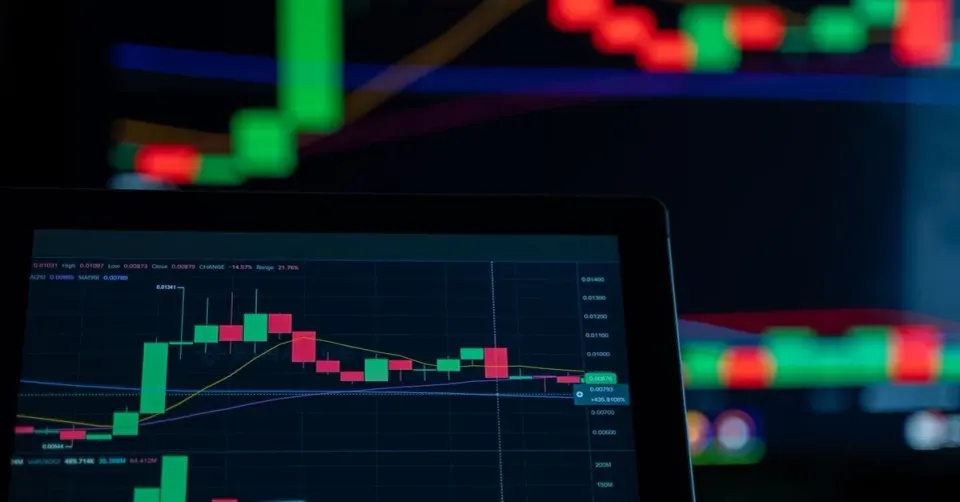
The Iranian Rial opened the week with a slight downward lean as geopolitical noise from the Persian Gulf began to filter into the local exchanges. The US Dollar (USD) rose from 264,000 to 264,400 Toman, marking a marginal 0.2% increase over the last 24 hours. While the move is small, the underlying sentiment remains cautious as traders weigh the impact of renewed maritime tensions on the country's oil export capacity and overall risk appetite.
In the precious metals sector, Gold 18k remained virtually flat, moving from 26,273,142 to 26,270,834 Toman per gram. The Emami coin also held steady at 268,500,000 Toman. Meanwhile, in the digital frontier, Bitcoin (BTC) is showing resilience, trading at $83,859. Despite significant ETF outflows last week totaling over $600 million, the crypto king has managed to hold its ground, benefiting from a general flight to 'digital gold' as traditional energy markets face extreme volatility.
IRGC Issues Hormuz Warning Amid Fresh Tanker Attacks
Geopolitical temperatures in the world’s most critical oil chokepoint have reached a boiling point. On Sunday, the Islamic Revolution Guards Corps (IRGC) Navy issued a formal warning to vessels transiting the Strait of Hormuz, stating that any ship violating maritime regulations would be intercepted. This announcement, carried by the state-run IRNA news agency, comes at a moment of extreme sensitivity for global energy security and Iran's own economic stability.
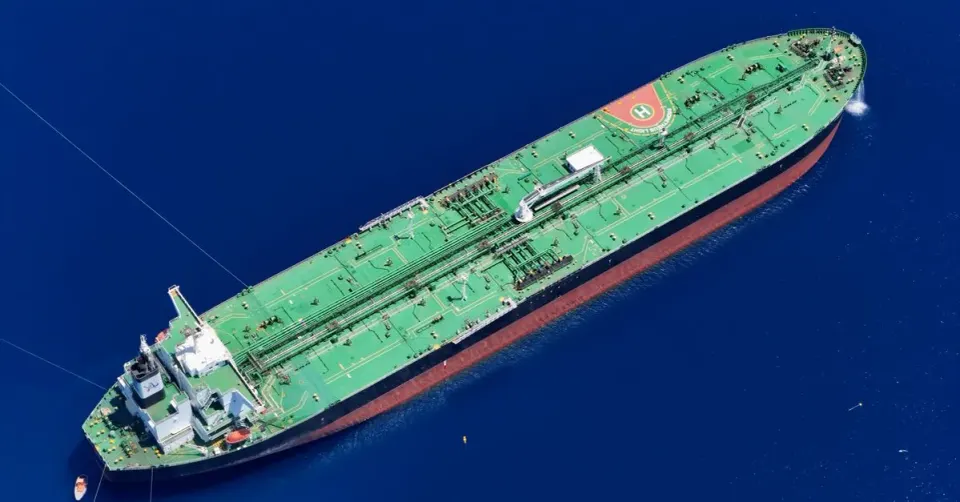
The warning coincided with reports of two separate attacks on oil tankers near the Strait. According to ship-tracking data, a Suezmax tanker carrying Iraqi crude was struck by an unknown projectile, leading to a fire and the disappearance of two crew members. A second product carrier was reportedly hit by a drone off the coast of Oman. While the IRGC's statement did not explicitly link itself to these incidents, the timing has created a vacuum of uncertainty that often precedes a spike in insurance premiums for regional shipping.
For the Iranian reader, this escalation is more than just a headline; it is a direct threat to the 'oil-for-goods' pipeline that sustains the domestic economy. Any sustained disruption in the Strait of Hormuz risks triggering a defensive reaction from international naval task forces, which could lead to further sanctions or a tightening of the naval blockade. As the Rial feels the pressure of these headlines, the market is bracing for a volatile week where every drone sighting could mean another tick up for the Dollar.
Trump’s ‘Energy Ceasefire’ Claim Sparks Global Confusion
In a move that has left diplomats and market analysts alike scratching their heads, US President Donald Trump unilaterally announced an "energy ceasefire" between Russia and Ukraine. Taking to social media, Trump claimed the agreement was effective immediately and would halt attacks on energy infrastructure. However, the announcement was met with a deafening silence from Moscow and a request for clarification from Ukrainian President Volodymyr Zelensky, who seemed unaware of the finalized deal.
Market reaction was swift but skeptical. Oil prices tumbled as the mere possibility of a de-escalation in the Russia-Ukraine conflict suggested a return of stable supply to European markets. However, White House insiders later clarified to media outlets that the proposed ceasefire might be significantly narrower than Trump suggested, potentially only covering oil refineries rather than a total cessation of hostilities. This discrepancy between the President's rhetoric and the ground reality has created a 'wait-and-see' atmosphere in global commodity hubs.
This development matters immensely because it directly impacts the global price floor for energy. If a genuine ceasefire were to hold, the downward pressure on oil could reduce the revenue Iran generates from its own exports, even those sold through 'shadow' channels. Conversely, if the deal is revealed to be a mere diplomatic phantom, the resulting price rebound could be violent. For now, the world is watching to see if Putin or Zelensky will actually validate the American President’s bold claim.
Houthi Strikes on Riyadh Airport Heighten Regional Risk
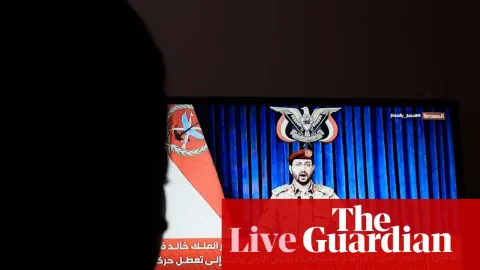
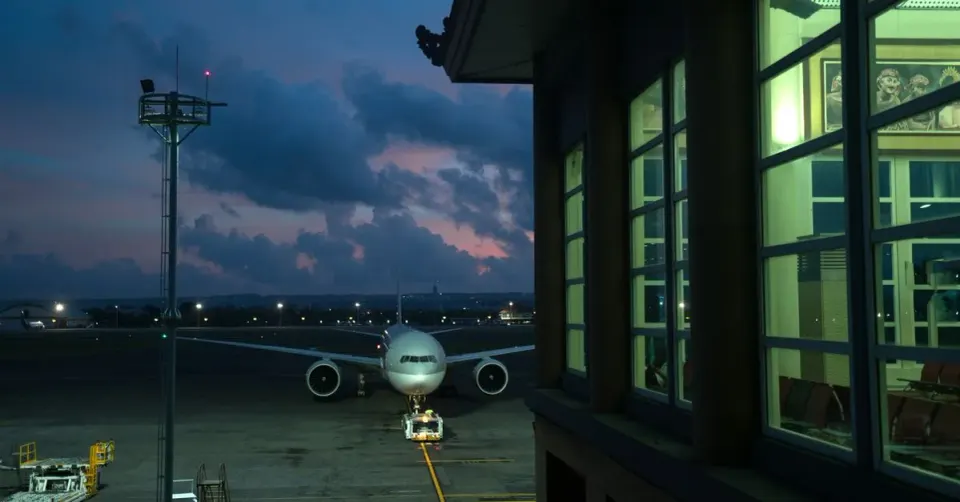
The security situation in the Arabian Peninsula took a dark turn as Houthi forces launched a fresh strike on Riyadh’s King Khalid International Airport. This follows a devastating attack just a day prior that killed 12 people and halted operations at the major transit hub. Saudi authorities confirmed that the latest strike killed a Pakistani resident and wounded 11 others. The Houthi group, often described by international observers as Iran-backed, has threatened to continue targeting Saudi Arabia’s infrastructure until its demands are met.
These attacks represent a significant escalation in the regional proxy conflict. By targeting a civilian international airport, the Houthis are sending a clear message about their ability to disrupt the Saudi 'Vision 2030' economic goals. For Iran, these developments are a double-edged sword. While they demonstrate the reach of regional allies, they also invite increased Western military presence in the Persian Gulf and provide ammunition for those calling for 'maximum pressure' sanctions to be reinstated with full force.
From a financial perspective, the repeated targeting of Riyadh’s infrastructure injects a permanent 'risk premium' into regional markets. For Iranian investors, this usually translates to a flight toward hard assets like gold and US Dollars. As long as the skies over Riyadh remain contested, the hope for a broad regional detente remains slim, keeping the Rial under constant geopolitical siege.
Frequently Asked Questions
چرا هشدار سپاه در تنگه هرمز برای قیمت دلار در تهران اهمیت دارد؟
آیا ادعای ترامپ درباره آتشبس انرژی واقعیت دارد؟
تأثیر حملات حوثیها به فرودگاه ریاض بر بازار ایران چیست؟
Why the Strait of Hormuz Is the World’s Most Critical Oil Chokepoint
The Strait of Hormuz is a narrow waterway that links the Persian Gulf with the Gulf of Oman, measuring only about 21 nautical miles (39 km) at its tightest point. Despite its modest width, the strait is a vital artery for global energy markets, through which roughly 20 % of the world’s seaborne oil and a significant share of liquefied natural gas pass every day. Its strategic importance stems not just from the volume of hydrocarbons, but also from the fact that a handful of countries—principally Saudi Arabia, Iraq, the United Arab Emirates, Kuwait and Iran—depend on it to export their oil revenues.
Geopolitically, the strait sits at the intersection of several rival powers. Iran controls the northern shore, while the United Arab Emirates and Oman guard the southern side. Over the past two decades, Tehran has repeatedly used the threat of closing or disrupting traffic as a bargaining chip, most famously during the 2019 attacks on tankers that led to a brief shutdown of the waterway. The presence of the Islamic Revolutionary Guard Corps (IRGC) navy, coupled with attacks by Yemen’s Houthi rebels, has kept the region on edge, prompting frequent naval patrols by the United States and its allies to guarantee freedom of navigation.
The economic ripple effects of any tension in the Hormuz corridor are immediate. Even rumors of a closure can trigger spikes in oil prices, as traders price in the risk of supply shortages. Conversely, when diplomatic de‑escalation occurs, markets often see a rapid price correction, as was evident after the “energy ceasefire” pledges announced in early 2024. Shipping insurers raise premiums for vessels transiting the strait, and the cost of alternative routes—such as the longer trip around the Cape of Good Hope—can add thousands of dollars per barrel to the final price of oil.
Security dynamics in the region are a classic illustration of the “choke‑point” concept in international relations: a narrow geographic feature that can be leveraged to exert outsized influence. The IRGC’s fast‑attack craft, mines, and anti‑ship missiles, together with the Houthi’s missile capabilities, create a layered threat environment. In response, the U.S. Fifth Fleet maintains a constant presence, conducting joint exercises with regional navies to deter aggression and reassure commercial shippers.
Understanding the strategic calculus of the Strait of Hormuz is essential for investors, policymakers, and anyone tracking global commodity markets. Because the strait’s stability—or lack thereof—directly feeds into oil price volatility, exchange‑rate movements (especially for oil‑exporting currencies like the Iranian rial), and even the price of alternative assets such as Bitcoin, keeping an eye on developments there provides a leading indicator of broader economic risk.
Topics
Related Articles