Ukraine Accuses Russia of Violating Trump's 'Energy Ceasefire' Amid New Strikes; Iran Affirms Hormuz Control
اوکراین روسیه را به نقض «آتشبس انرژی» ترامپ متهم کرد؛ ایران بر کنترل هرمز تأکید دارد
Tensions in Eastern Europe escalate as Ukraine alleges Russia violated a purported 'energy ceasefire' brokered by former US President Trump, with new strikes reported on Kyiv power plants. Concurrently, Iran reaffirms its sovereign control over the strategic Strait of Hormuz, linking it to US commitments. Meanwhile, Indian opposition leaders plan a major march, and an investigation into a FlyDubai attacker focuses on a Melbourne mosque.
At time of publishing
USD
264,000
Toman
Gold 18K
26.28M
Toman / gram
Bitcoin
$84,042
US Dollar
Tether
264,093.053
Toman
Ukraine Alleges Russia Violated Trump's 'Energy Ceasefire'
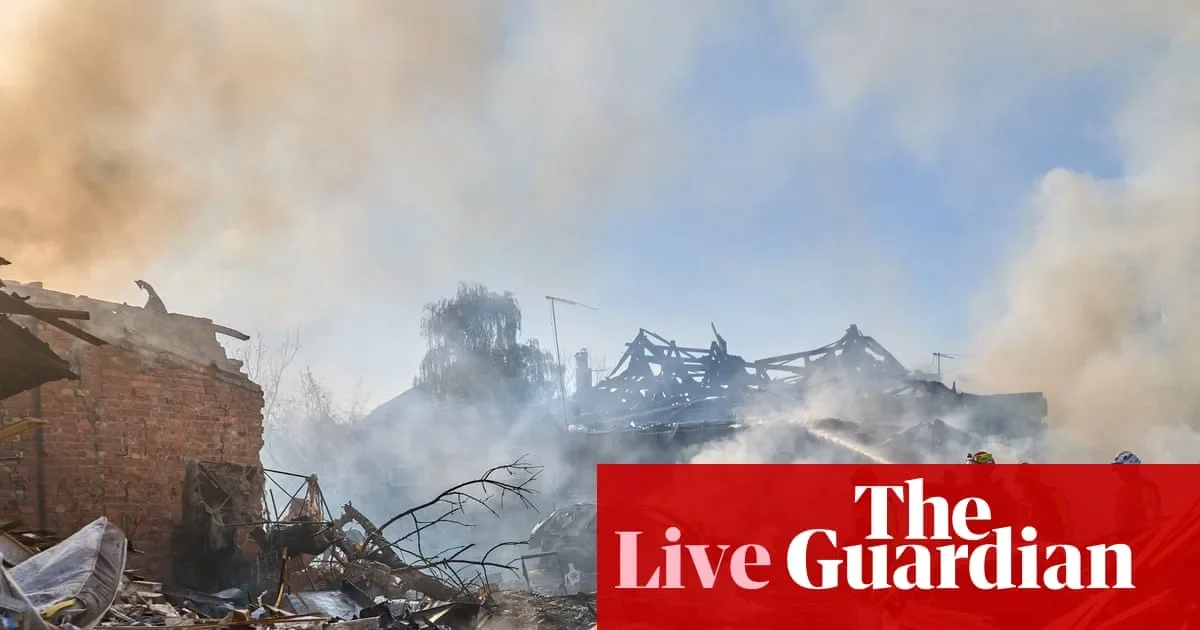
Ukraine has accused Russia of violating a purported "energy ceasefire" announced by former US President Donald Trump, following reports of fresh strikes on Kyiv power plants. President Volodymyr Zelenskyy stated that the deal, which Trump had claimed would lift sanctions on Russian diesel exports to reduce global fuel prices, was "news to him" when initially announced on Friday. This development underscores the fragility of any diplomatic efforts in the ongoing conflict and highlights the significant disconnect between Washington's claims and Kyiv's reality on the ground.
The alleged breach comes shortly after Trump's unilateral announcement, which aimed to influence global fuel prices ahead of next month's US midterm elections. The Kremlin has yet to officially confirm any such deal, further muddying the waters around the supposed agreement. For European energy markets and global oil prices, this situation introduces renewed uncertainty, as any hope of a stable energy supply or de-escalation in the region appears to be quickly fading, potentially leading to increased volatility and higher costs for consumers.
Iran Reaffirms Control Over Strategic Strait of Hormuz
Iran's Deputy Foreign Minister for Legal and International Affairs, Kazem Gharibabadi, has unequivocally stated that the Strait of Hormuz is an integral part of Iran’s national security. He affirmed that the country would maintain control over the strategic waterway until the United States returns to its commitments, presumably referring to the Joint Comprehensive Plan of Action (JCPOA) or other international agreements. This declaration comes amidst persistent tensions in the Persian Gulf, a critical chokepoint for global oil shipments, through which roughly a fifth of the world's oil supply passes.
This strong assertion by a senior Iranian official is not merely rhetorical; it serves as a significant geopolitical statement, indicating Tehran's resolve to exert its influence over a vital maritime route. Any perceived threat to Iranian national security in the Strait could lead to heightened naval activity, posing risks to international shipping and potentially disrupting oil flows. Such a scenario would inevitably trigger a sharp increase in global oil prices and inject considerable instability into an already volatile region, directly impacting energy markets and consumer economies worldwide.
Indian Opposition Demands Election Chief Resignation Amid Protests
In India, opposition leaders are preparing for a significant march to the Supreme Court in Delhi to demand the resignation of the country's chief election commissioner. This planned demonstration follows a weekend of intense political unrest in the capital, during which thousands of protesters were reportedly detained by police. The opposition alleges irregularities and a lack of impartiality in the election process, fueling widespread public discontent and calls for accountability within the electoral system.
The demand for the election chief's resignation signifies a deepening political crisis and a challenge to the integrity of India's democratic institutions. The protests reflect growing frustration among segments of the population regarding governance and perceived political overreach. Should the situation escalate, it could lead to further civil unrest, potentially impacting economic stability and investor confidence in one of the world's largest democracies. The Supreme Court's response to the opposition's plea will be a critical determinant of the political trajectory in the coming weeks.
Investigation into FlyDubai Attacker Focuses on Melbourne Mosque
An ongoing investigation into the co-pilot accused of attacking a captain on a FlyDubai flight to Israel has now put a spotlight on a Melbourne mosque. Emirati investigators revealed that the alleged attacker reportedly drifted towards extremism during his time as a student in Australia, raising questions about radicalization pathways within international communities. This development highlights the transnational nature of security threats and the complex challenges faced by intelligence agencies in monitoring individuals who may be susceptible to extremist ideologies.
Authorities are now scrutinizing the mosque and its community for any potential links to the radicalization of the individual, though no direct culpability has been assigned to the institution itself. The incident underscores the importance of international cooperation in counter-terrorism efforts and the need for vigilance within diverse communities to identify and address potential signs of radicalization. This investigation carries implications for aviation security protocols globally and for how countries address the spread of extremist narratives among their foreign student populations.
Bitcoin Holds Steady Amidst Support and Resistance
Bitcoin's price is currently wedged at $84,175, navigating a critical juncture between key support and resistance levels. The cryptocurrency has shown resilience, maintaining its position despite recent market fluctuations and a reported outflow of over $600 million from Bitcoin ETFs last week. This stability suggests a tug-of-war between bullish and bearish sentiments, with significant buying interest preventing a deeper correction while strong selling pressure caps upward movement.
The current price action indicates that traders are closely watching these technical boundaries, as a definitive break above resistance or below support could signal the next major move for the digital asset. While oil prices have seen some softening, offering a degree of macro support for risk assets like Bitcoin, the market remains cautious. Investors are advised to monitor broader economic indicators and regulatory developments, which continue to play a crucial role in shaping crypto market sentiment and future price trajectories.

Frequently Asked Questions
What is the 'energy ceasefire' that Ukraine claims Russia violated?
Why is Iran's statement about the Strait of Hormuz significant for global markets?
What is causing the political unrest in India regarding the election chief?
What are the implications of the FlyDubai attacker investigation focusing on a Melbourne mosque?
What does Bitcoin's current position at $84,175 between support and resistance mean for investors?
Understanding Energy Chokepoints
Energy chokepoints are narrow, strategically important passages through which significant volumes of oil, natural gas, or other energy resources must pass to reach global markets. These geographical bottlenecks, often straits or canals, are critical arteries of the world's energy trade, connecting major producing regions with consuming nations. Their importance stems from the sheer volume of energy they handle; any disruption, whether due to conflict, political instability, or natural disaster, can have immediate and far-reaching consequences for global supply and prices. They represent a fundamental vulnerability in the international energy system.
The headline highlights two prime examples of such chokepoints. The Strait of Hormuz, mentioned in relation to Iran, is perhaps the world's most critical oil chokepoint, through which over 20% of the world's petroleum liquids pass daily. Iran's asserted control over this strait grants it significant geopolitical leverage. Similarly, while not a narrow strait, the conflict between Ukraine and Russia impacts critical energy infrastructure like pipelines (e.g., those transiting natural gas to Europe) and Black Sea shipping lanes, which serve as de facto chokepoints for energy flows from the region. These situations underscore how regional conflicts can have global energy repercussions.
The existence and vulnerability of energy chokepoints are central to the concept of energy security. Nations heavily reliant on imported energy are particularly sensitive to events that could threaten these passages. The potential for supply disruptions creates geopolitical tensions, drives up global oil and gas prices, and encourages countries to diversify their energy sources, build strategic reserves, or seek alternative transport routes. Understanding these chokepoints is crucial for comprehending the intricate relationship between geopolitics, economics, and the global energy landscape.
Topics
Related Articles