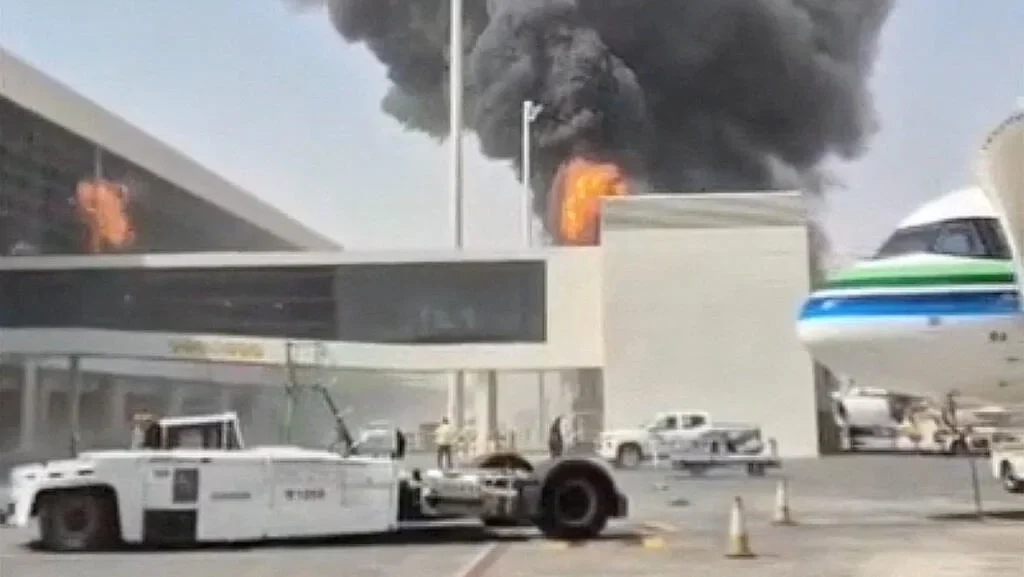
Houthis Escalate Attacks on Saudi Arabia; Iran-Azerbaijan Ink Cooperation Deals
حملات حوثیها به عربستان تشدید شد؛ ایران و آذربایجان اسناد همکاری امضا کردند
Yemen's Houthi rebels have intensified their drone and missile attacks targeting Saudi Arabia, raising concerns about regional stability and Riyadh's exposure. Meanwhile, Iran and Azerbaijan have agreed to draft new cooperation documents, signaling shifting regional dynamics.
At time of publishing
USD
260,600
Toman
Gold 18K
25.92M
Toman / gram
Bitcoin
$82,580
US Dollar
Tether
260,316
Toman
Saudi Arabia Under Renewed Houthi Assault
Yemen's Houthi rebels have launched a significant escalation of drone and missile attacks against Saudi Arabia, targeting key infrastructure and raising alarms about the kingdom's vulnerability. This surge in hostilities, reportedly backed by Iran, comes at a critical juncture as regional tensions remain high following recent escalations involving Iran and Donald Trump's administration.
The Houthis have demonstrated a growing capacity to strike deep within Saudi territory, hitting airports and potentially oil facilities. This poses a direct threat to Saudi Arabia's economic stability and its ability to project regional power. The effectiveness of these attacks highlights the challenges faced by advanced military defenses against low-cost, asymmetric warfare tactics. The repercussions for Saudi Arabia include not only physical damage but also a potential blow to investor confidence and international standing, especially as the kingdom seeks to diversify its economy under Vision 2030.
The broader implications for Iran and the region are significant. Increased Houthi activity could be seen as a proxy response to perceived provocations, further entangling Tehran in regional conflicts and potentially drawing unwanted international attention or sanctions. For global markets, particularly oil, any disruption to Saudi production or shipping routes would have immediate and severe consequences, potentially driving prices higher. This escalates the risk premium associated with Middle Eastern energy supplies, impacting economies worldwide and creating uncertainty for consumers and industries reliant on stable energy prices.

Iran and Azerbaijan Deepen Ties with New Cooperation Documents
Iran and Azerbaijan have announced an agreement to draft two new cooperation documents, signaling a commitment to strengthening bilateral relations. This development, announced by Iranian Interior Minister Eskandar Momeni after a meeting with Azerbaijani President Ilham Aliyev, focuses on practical mechanisms for implementing existing agreements and exploring new avenues for collaboration.
The move comes amidst a complex geopolitical landscape in the Caucasus and the broader Caspian region. While relations between Iran and Azerbaijan have historically seen periods of tension, recent efforts have aimed at fostering greater economic and political partnership. The specifics of the new documents are yet to be revealed, but they are likely to cover areas such as border security, trade, energy, and transportation, potentially enhancing regional connectivity and economic interdependence.
For Iran, deepening ties with its northern neighbor offers a strategic advantage, potentially opening new trade routes and reducing reliance on other transit corridors. It also serves as a diplomatic counterpoint amidst broader international pressures. For Azerbaijan, increased cooperation could bolster its economic development and provide a stable regional partner. The implications for regional stability are mixed; while cooperation can de-escalate tensions, any perception of a strengthened Iran-Azerbaijan axis could be viewed with concern by other regional players, particularly Turkey and potentially Russia, and impact the delicate balance of power in the South Caucasus.

Global Markets React to Geopolitical Volatility and Economic Headwinds
Global financial markets are navigating a period of heightened volatility, influenced by escalating geopolitical tensions in the Middle East and persistent economic headwinds. The recent surge in Houthi attacks on Saudi Arabia has amplified concerns about the stability of oil supplies, a critical factor for the global economy. Simultaneously, the lingering effects of inflation, rising interest rates, and concerns about a potential global economic slowdown continue to weigh on investor sentiment.
The price of gold, a traditional safe-haven asset, has seen fluctuations. While it has retreated from recent highs, central banks and ETFs continue to accumulate bullion, suggesting underlying demand. However, a stronger U.S. dollar and rising Treasury yields are currently pressuring the precious metal. This dynamic creates uncertainty for investors, with some seeing potential buying opportunities in gold amidst the current correction, while others remain cautious due to broader market risks. The interplay between geopolitical risk and economic fundamentals is creating a complex environment for asset allocation.
In cryptocurrency markets, the launch of new AI trading tools by major exchanges like Binance signals an ongoing trend towards integrating advanced technologies into financial services. However, the broader crypto market remains sensitive to macroeconomic factors and regulatory developments. The proposed U.S. accounting overhaul could make stablecoins more attractive to corporations, but the overall market sentiment is still largely dictated by global economic conditions and geopolitical stability. The convergence of these factors means that markets will likely remain on edge, with significant price swings possible in response to new developments.
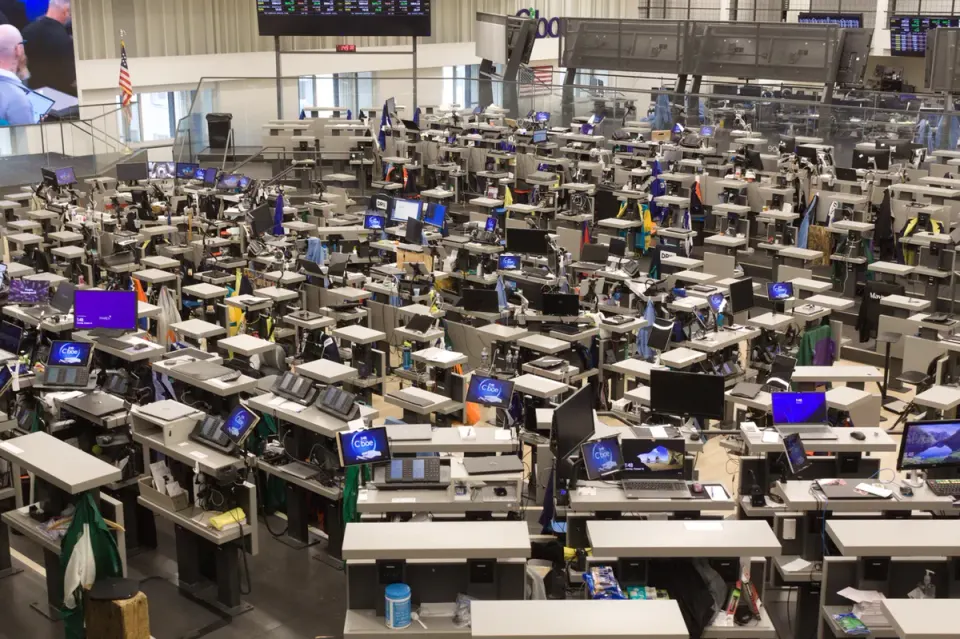
UK Sanctions Iranian Nationals Amid Airbase Plot Allegations
The United Kingdom has imposed sanctions on two Iranian nationals, citing alleged involvement in a plot targeting a British airbase. This move escalates diplomatic tensions between London and Tehran, with the UK government formally blaming Iran for the incident.
Iran's ambassador has reportedly denied the allegations and expressed Tehran's willingness to cooperate with any investigation into the matter. However, the imposition of sanctions signals a hardening of the UK's stance and adds another layer of complexity to international relations involving Iran. Such actions often have ripple effects on trade, financial transactions, and diplomatic engagement, potentially impacting Iran's ability to conduct business internationally and influencing currency exchange rates.
The broader geopolitical context of these sanctions is crucial. Coming at a time of heightened tensions in the Middle East and concerning Iran's regional activities, the UK's action underscores a coordinated effort by Western nations to hold Iran accountable for perceived destabilizing actions. This can lead to increased economic pressure on Iran, potentially affecting its currency (Toman) and commodity prices, and influencing investor confidence in the region. The situation also highlights the ongoing challenge of de-escalating conflicts and finding diplomatic solutions amidst mutual accusations and punitive measures.
Frequently Asked Questions
What is the significance of the Houthi attacks on Saudi Arabia?
What are the key areas of cooperation between Iran and Azerbaijan?
How are global markets reacting to the current geopolitical climate?
What is the UK's rationale for sanctioning Iranian nationals?
Understanding the Geopolitical Risk Premium in Global Markets
When headlines speak of Houthi attacks on Saudi Arabia or sanctions against major oil producers like Iran, they often implicitly point to a crucial economic concept: the Geopolitical Risk Premium. This term refers to the additional cost built into the price of a commodity, particularly oil, due to political instability, conflict, or uncertainty in a producing or transit region. It's the market's way of pricing in the potential for future supply disruptions, even if they haven't occurred yet.
The mechanism behind this premium is straightforward. When geopolitical tensions rise, the perceived risk of supply interruptions increases. For instance, attacks on Saudi Arabian oil facilities, a key global supplier, immediately raise concerns about crude oil availability. Similarly, sanctions on Iran, a significant oil exporter, reduce global supply and create uncertainty. These events lead to higher insurance costs for shipping, increased speculative buying as traders anticipate future shortages, and a general flight to safety among investors who demand a higher return for taking on greater risk. This collective market reaction pushes prices upwards, creating the premium.
The implications of a rising geopolitical risk premium extend far beyond the oil market. Higher oil prices translate into increased costs for transportation, manufacturing, and energy across the globe, fueling inflation and potentially slowing economic growth. Consumers feel the pinch through higher gas prices and increased costs for goods and services. In times of heightened geopolitical anxiety, investors often flock to safe-haven assets like gold, driving its price up as well, reflecting a broader market sentiment of uncertainty and a desire to preserve capital against potential economic shocks.