Britain Summons Iran Envoy Over RAF Fairford Incident; Markets Dip on Geopolitical Tensions
بریتانیا سفیر ایران را احضار کرد؛ تنشها بر بازارهای جهانی سایه انداخت
Britain has summoned Iran's ambassador following an incident at RAF Fairford, with UK officials attributing responsibility to Iran's Revolutionary Guards. Meanwhile, global markets are showing signs of strain, with Bitcoin experiencing a notable drop and gold prices fluctuating amidst escalating geopolitical tensions.
At time of publishing
USD
261,100
Toman
Gold 18K
25.96M
Toman / gram
Bitcoin
$82,809
US Dollar
Tether
260,090
Toman
Britain Summons Iran Ambassador Over RAF Fairford Incident
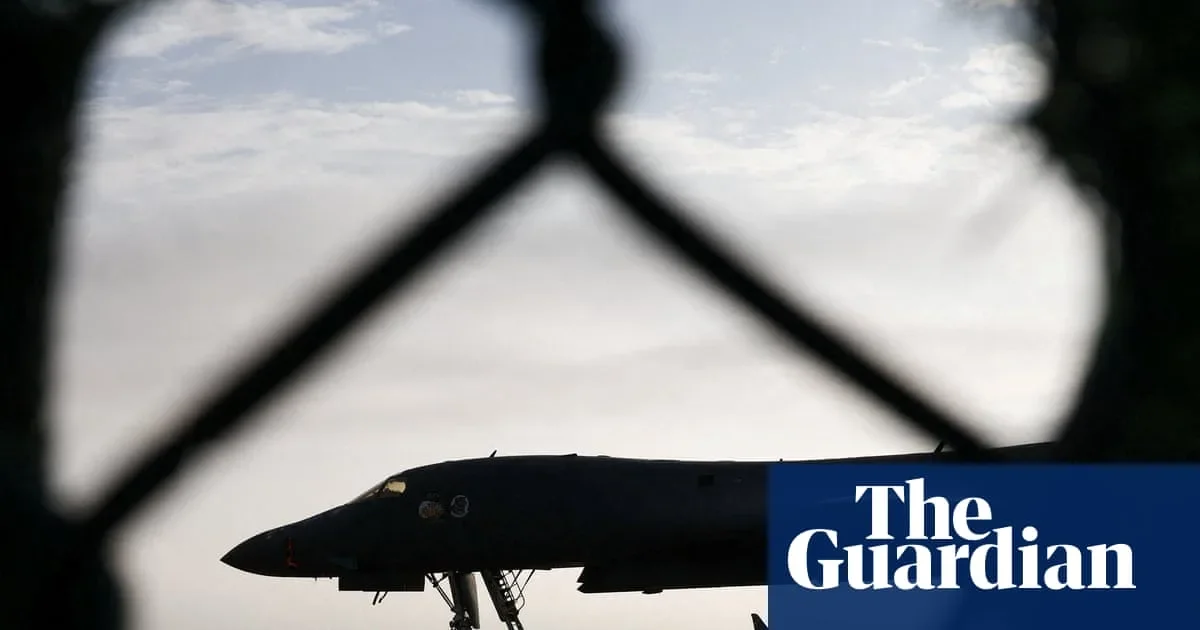
Britain's Prime Minister has stated that Iran's Islamic Revolutionary Guard Corps (IRGC) were "almost certainly" behind threats directed at RAF Fairford, a significant escalation in attributing responsibility for the late-month incident. Following this assessment, the UK has summoned Iran's ambassador to express its strong disapproval and has announced further sanctions against Tehran and the IRGC. This move signals a hardening of the UK's stance and indicates a desire to impose consequences for what is perceived as direct Iranian aggression on British soil.
The UK government has emphasized that it "won't tolerate threats on our soil," underscoring the seriousness with which this incident is being treated. Further details are expected to be released by the Home Secretary, Shabana Mahmood, suggesting a comprehensive response is being formulated. The implications for UK-Iran relations are severe, potentially leading to further diplomatic isolation and economic pressure on Tehran. For Iranian citizens, this could translate into heightened concerns about international relations, potential new sanctions impacting trade and currency, and a general increase in economic uncertainty.

---
Markets React to Escalating Geopolitical Tensions
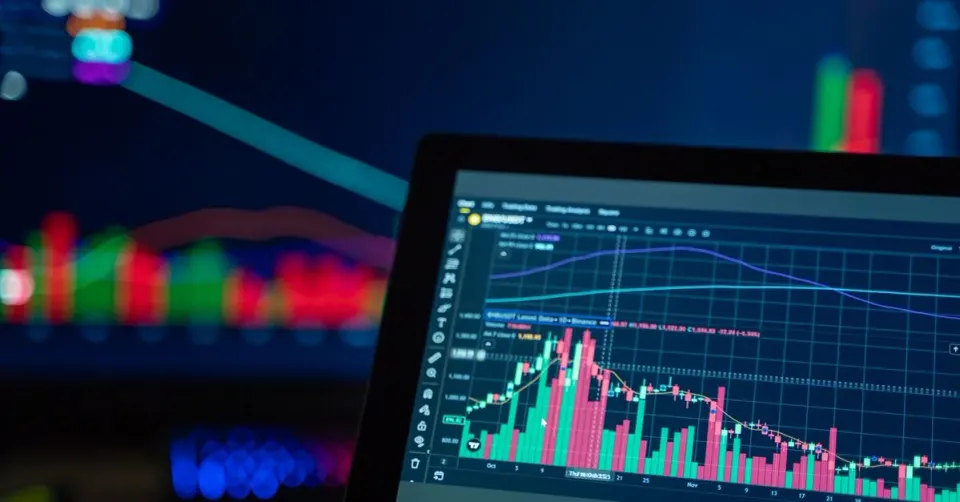
Global markets are reflecting the growing unease stemming from heightened geopolitical tensions, particularly concerning Iran. Bitcoin, a key indicator of risk appetite in the digital asset space, experienced a notable drop of 2.2%, failing to maintain its earlier gains and falling back from the $84,000 mark. This decline coincides with oil prices nearing a one-month high, a common reaction to increased instability in the Middle East and potential disruptions to supply routes.
The interconnectedness of these events is evident. The conflict in Ukraine, coupled with strikes impacting energy infrastructure in Saudi Arabia, has already contributed to market volatility. The latest developments involving Britain and Iran add another layer of complexity, increasing the perceived risk premium for investors. This environment often leads to a flight towards perceived safe-haven assets, though the performance of gold, a traditional safe haven, has also shown mixed signals, with gold priced in Toman experiencing a 1.2% dip.
---
Saudi Arabia Extends Riyadh Airport Suspension Amid Houthi Strikes
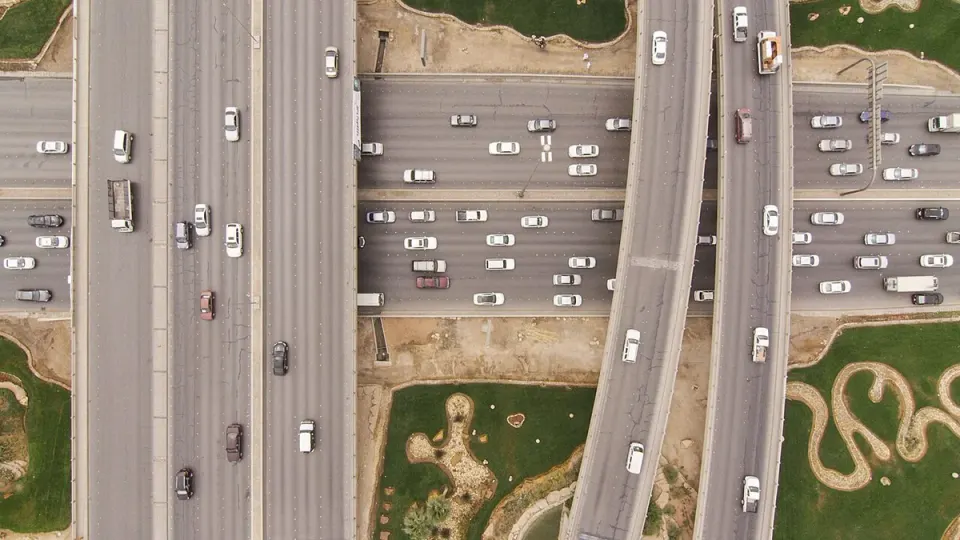
Saudi Arabia has extended the suspension of operations at Riyadh's international airport following a significant escalation in attacks by Houthi rebels. The Saudi-led coalition announced it was responding to a coordinated drone and missile barrage, which follows a previous attack that resulted in casualties and widespread disruption. This latest development marks a serious intensification of the conflict with the Houthi movement in Yemen, impacting regional stability and global trade routes.
The prolonged closure of a major aviation hub like Riyadh's airport has tangible economic consequences. It disrupts business travel, cargo logistics, and tourism, potentially affecting investor confidence in the region. For oil markets, any instability in Saudi Arabia, a key global energy producer, raises concerns about supply security and price volatility. While the direct impact on Iranian markets might be less immediate, the broader regional instability and the potential for further conflict can indirectly influence currency expectations and economic sentiment within Iran, especially concerning the Toman and gold prices.
---
Iran's President Addresses Economic Challenges Amid War
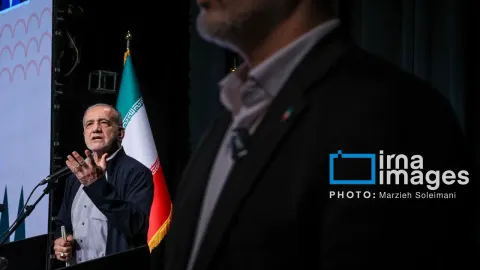
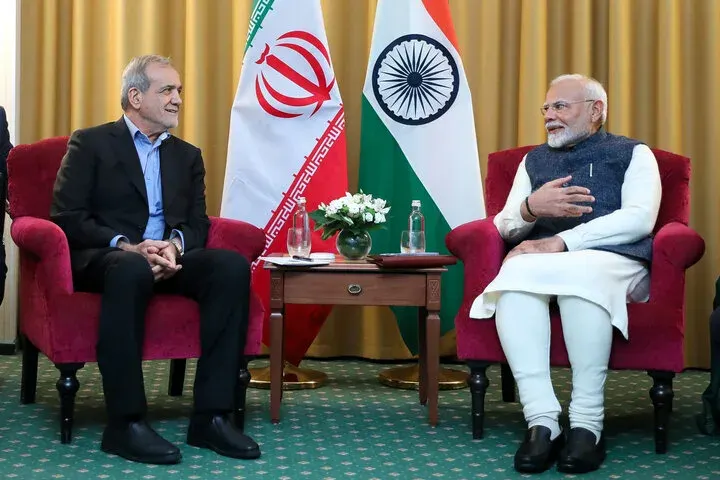
President Masoud Pezeshkian of Iran has issued a stark warning regarding the current global conflict, describing it as more dangerous and complex than previous engagements. He emphasized the critical need for the government to address pressing economic challenges and public concerns, signaling an awareness of the domestic pressures mounting alongside international crises. This statement comes at a time when Iran faces its own set of economic headwinds, exacerbated by existing sanctions and regional instability.
The President's focus on economic issues and public sentiment highlights the delicate balancing act Iran's leadership must perform. While navigating foreign policy challenges and maintaining a strong stance on regional security, the administration is also under pressure to deliver economic relief and improve living standards for its citizens. The current global climate, marked by rising energy prices and geopolitical friction, presents a challenging backdrop for these domestic economic objectives, potentially impacting the stability of the Toman and the cost of essential goods.
Frequently Asked Questions
What was the incident at RAF Fairford?
How are global markets reacting to these geopolitical tensions?
What is the impact of the Riyadh airport suspension on the region?
What did Iran's President Pezeshkian say about the current situation?
What are the implications of the UK's actions for Iran?
Economic Sanctions: How They Shape Global Markets
Economic sanctions are coercive tools used by governments or international bodies to pressure a target country, entity, or individual into changing behavior. They typically involve the restriction of trade, financial transactions, or access to technology, and are intended to be non‑military means of achieving foreign‑policy goals. While the primary aim is political, the ripple effects are felt across entire economies, influencing everything from commodity prices to capital flows.
Sanctions can be unilateral—imposed by a single country such as the United Kingdom—or multilateral, coordinated through bodies like the United Nations or the European Union. In the wake of the RAF Fairford incident, Britain announced a fresh round of sanctions against Iran, targeting banks, oil exporters, and individuals linked to the alleged drone activity. These measures quickly made it illegal for UK‑based firms to engage in many forms of trade with the listed Iranian entities, effectively cutting off a key conduit for Iranian oil revenues.
The immediate market response is often a spike in oil prices. By limiting Iran’s ability to sell crude on the global market, sanctions tighten supply and push benchmark prices higher, a dynamic that reverberates through the entire energy sector. At the same time, investors sometimes turn to alternative stores of value, such as Bitcoin, which can be traded across borders with fewer traditional banking restrictions. This shift was evident in the days following the UK’s announcement, as cryptocurrency volumes rose while oil‑related equities slipped.
However, sanctions also generate unintended consequences. Humanitarian goods—medicine, food, and basic supplies—can be caught in the crossfire, exacerbating civilian suffering. Moreover, targeted regimes often develop work‑arounds, such as using third‑party intermediaries or cryptocurrency mixers, to evade restrictions. Understanding these loopholes is crucial for policymakers aiming to design more effective, targeted measures.
For investors and analysts, grasping the mechanics of sanctions is essential. Market volatility, currency depreciation, and shifts in commodity flows can all be traced back to the geopolitical calculus behind a sanction regime. By monitoring sanction announcements and their implementation, market participants can better anticipate price movements and adjust portfolio risk accordingly.
Topics
Related Articles