The Shadow Pipeline: Inside the Russian-Iranian Energy Laundering Machine as Toman Gains 1%
خط لوله سایه؛ افشای شبکه مخفی دور زدن تحریمها توسط روسیه و ایران و بازگشت ۱ درصدی تومان
A new investigation reveals a sophisticated Russian-Iranian 'laundering machine' helping the EU skirt its own energy sanctions ahead of a 2027 legal cliff. Meanwhile, the Iranian Toman shows rare resilience, gaining 1% against the dollar as gold and coin prices retreat from recent highs.
At time of publishing
USD
261,300
Toman
Gold 18K
25.99M
Toman / gram
Bitcoin
$82,652
US Dollar
Tether
260,602
Toman
The Secret Russian-Iranian Energy Conduit
As the European Union moves toward a definitive legal cliff on January 1, 2027—a date intended to mark the total ban of long-term Russian liquefied natural gas (LNG) imports—a shadow economy is flourishing. New reports indicate the existence of a 'Military-Energy-Pipeline Laundering Machine' involving both Moscow and Tehran. This network is designed to circumvent Regulation (EU) 2026/261 by rebranding and rerouting energy supplies through complex intermediaries, ensuring that European boilers stay lit while official rhetoric remains hawkish against the Kremlin.
This laundering machine isn't just about gas; it represents a deepening of the strategic axis between Russia and Iran. By utilizing shared pipeline infrastructure and 'dark fleet' shipping tactics, the two nations are effectively creating a secondary global market that operates outside the reach of Western financial monitoring. For the EU, this creates a hypocritical dependency: publicly condemning the war in Ukraine and Iranian regional influence while privately relying on the very resources that fund these activities. The 'will to find a way around sanctions' has proven stronger than the legislative intent to enforce them.
Diesel Wars: Iran vs. Ukraine Impact
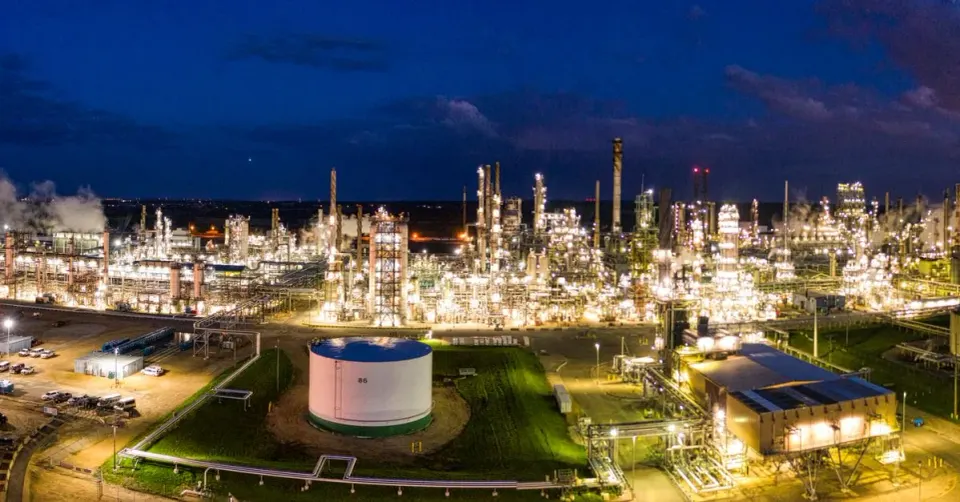
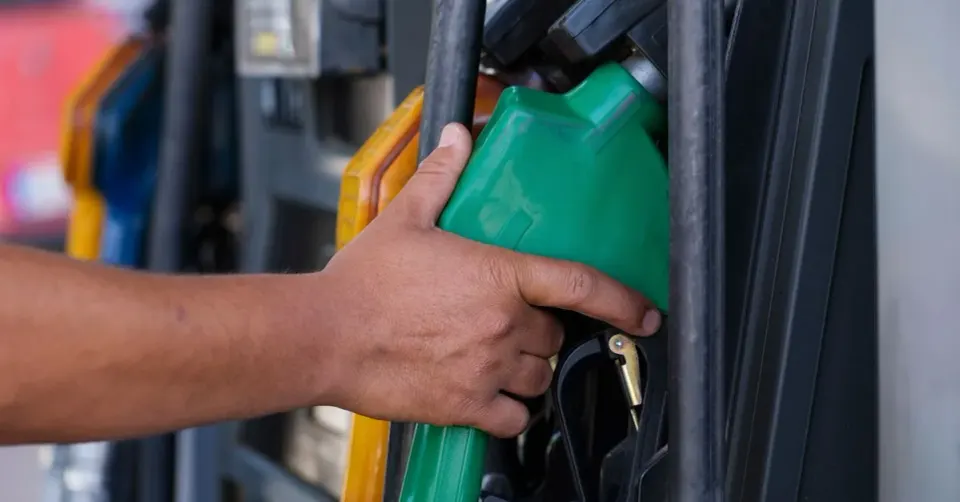
While much of the global media focus has been on the destruction of Ukrainian infrastructure, new data suggests that the conflict in the Middle East, specifically involving Iran's regional proxies and the threat to shipping lanes, is having a significantly larger impact on global diesel prices. Diesel is the lifeblood of global industry and transport, and the reduction in exports from the Middle East has outpaced the losses seen from the Black Sea region. This supply crunch is putting immense pressure on European and Asian manufacturing hubs, even as Saudi Arabia insists its own energy infrastructure remains resilient despite ongoing Houthi drone and missile strikes.
Saudi Energy Minister Prince Abdulaziz bin Salman recently emphasized that energy resilience must be measured by the ability to 'maintain, repair, and recover' rather than just spare capacity. This statement comes as Riyadh continues to fend off attacks on its transport and energy hubs, which Iran has offered to 'mediate.' The irony is not lost on market analysts: Tehran is positioned as both the primary backer of the forces causing the disruption and the diplomatic 'solution' to the resulting crisis. This dual role allows Iran to maintain a high 'war premium' on oil prices while avoiding direct accountability.
Toman Gains Ground Amid Regional Volatility
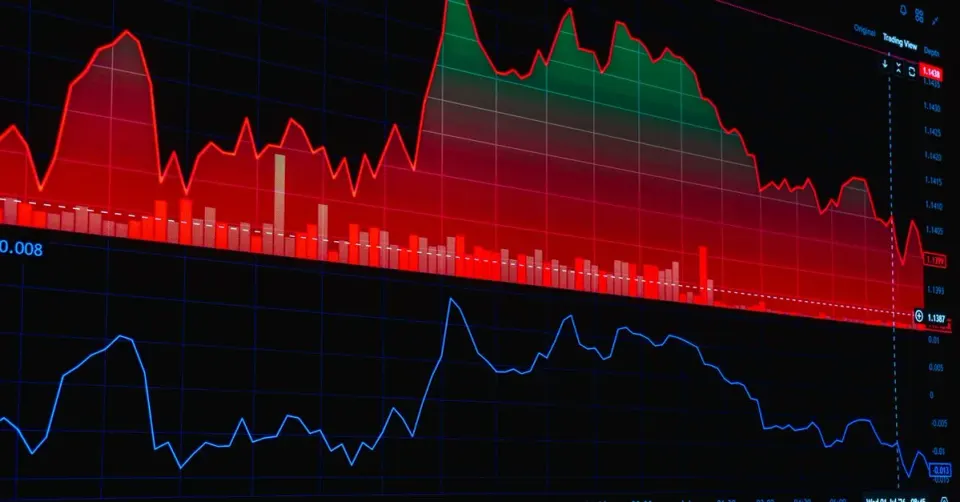
In a surprising turn for domestic markets on Monday, October 12, 2026 (دوشنبه ۲۰ مهر ۱۴۰۵), the Iranian Toman saw a period of relative strength. The USD/IRR sell rate moved from 264,000 to 261,300, marking a 1.0% appreciation for the local currency. This cooling effect extended to the gold market, where 18k gold per gram fell from 26,273,142 to 25,993,813 Toman (-1.1%), and the Emami coin dropped by 1.5%, moving from 268,500,000 to 264,500,000 Toman. Analysts suggest this might be a temporary correction or a sign of brief optimism as diplomatic backchannels regarding the Yemen conflict show signs of life.
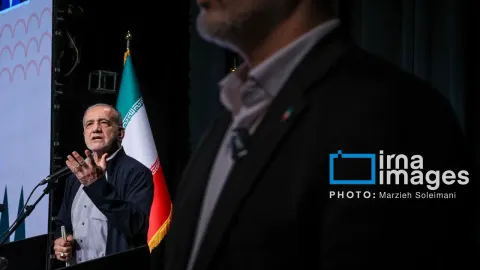
However, this market 'calm' exists alongside a heavy cultural and political backdrop. While President Masoud Pezeshkian spent the day honoring the poet Hafez Shirazi in Tehran, the underlying economic reality remains precarious. The 1% gain in the Toman is a minor reprieve in a long-term trend of devaluation. Investors remain cautious, evidenced by the steady price of Bitcoin at $82,652 and the high price of global gold at $4,168.30 per ounce. The domestic market is essentially holding its breath, waiting to see if the recent drone strikes on Saudi airports will lead to a broader escalation or if the mediation offers will lead to a genuine de-escalation.
Tech Windfalls and the Global Market Mood
Beyond the geopolitical friction of the Middle East, the global tech sector is signaling a period of aggressive capital management. Micron Technology has made waves with new disclosures regarding its buyback plans, signaling to shareholders that its cash windfall from the AI-driven hardware boom is being put to work. This move is seen as a direct challenge to its rivals, suggesting that Micron views its current market position as dominant enough to reward investors even as broader economic uncertainty looms. For the Iranian reader, these global tech shifts are a reminder of where the world's 'real' wealth is being generated—in the silicon and software that power the modern age.
This contrast between the high-growth tech world and the resource-constrained energy markets of the Middle East highlights a widening gap. While companies like Micron and Microsoft (which recently reclaimed its $4 trillion crown) operate in a realm of infinite scalability, the Iranian economy remains tethered to the physical realities of oil pipelines and sanctioned trade. The divergence in these two worlds—one of digital abundance and the other of geopolitical scarcity—defines the current global economic landscape as we head into the final quarter of 2026.
Frequently Asked Questions
چرا قیمت دلار در ۲۰ مهر ۱۴۰۵ کاهش یافت؟
ماشین پولشویی انرژی روسیه و ایران چیست؟
تأثیر تنشهای ایران بر قیمت گازوئیل چقدر است؟
Sanctions Evasion in Energy Trade
Sanctions are a powerful tool of foreign policy, aiming to alter the behavior of targeted states or entities by restricting their economic activity. However, those under sanction often develop sophisticated methods to circumvent these restrictions, a practice known as sanctions evasion. This phenomenon is particularly prevalent in the energy sector, where the high value and global demand for oil and gas provide strong incentives for illicit trade, allowing sanctioned nations to continue generating crucial revenue.
Common evasion tactics in energy trade include "dark fleet" operations, where tankers intentionally turn off their transponders to hide their movements, enabling clandestine ship-to-ship transfers of crude oil or refined products at sea. This maneuver effectively obscures the true origin and destination of the cargo. Other methods involve the establishment of complex webs of shell companies, often registered across multiple jurisdictions, to obfuscate ownership and financial flows. Additionally, falsified documentation regarding cargo origin, destination, or even the type of product being shipped is frequently employed to deceive customs and regulatory bodies.
The primary motivation behind sanctions evasion is to maintain vital revenue streams for sanctioned states or entities, thereby undermining the intended economic pressure. For countries like Russia and Iran, facing extensive energy sanctions, these shadow networks are crucial for sustaining their economies, funding state operations, and maintaining geopolitical influence. The practice not only distorts global energy markets by introducing illicit supply but also poses significant challenges for international enforcement agencies, which must constantly adapt to track and disrupt these increasingly sophisticated clandestine operations.
Topics
Related Articles