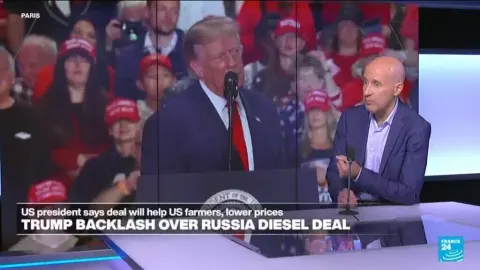
MI5 Warns of Escalating Iran-Russia Hybrid Threats in UK; Houthis Target Saudi Oil, Japanese Refiners Avoid Hormuz
هشدار MI5 درباره تشدید تهدیدات ترکیبی ایران و روسیه در بریتانیا؛ حوثیها تأسیسات نفتی سعودی را هدف گرفتند، پالایشگاههای ژاپنی از هرمز دوری میکنند
Britain's MI5 chief has issued a stark warning about the escalating hybrid threats from Iran and Russia on UK soil, including 'sickening' Iran-led attacks on Jewish communities. Concurrently, regional tensions in the Middle East have flared, with Yemen's Houthis threatening Saudi oil facilities, prompting a French embassy advisory, while Japanese refiners are notably rerouting crude purchases to avoid the Strait of Hormuz. These geopolitical pressures are casting a long shadow over global markets, with a hedge-fund billionaire predicting a 'challenging' 2027 for stocks.
At time of publishing
USD
256,000
Toman
Gold 18K
25.64M
Toman / gram
Bitcoin
$83,618
US Dollar
Tether
252,601
Toman
MI5 Chief Raises Alarm on Iran & Russia's Hybrid Threats in UK
The head of Britain's domestic security agency, MI5, has issued a fresh and stern warning regarding what he describes as an escalation in hybrid campaigns by Iran and Russia on British soil. This latest alert builds upon previous concerns about state-sponsored interference, but now explicitly highlights the increasing intensity and scope of these operations. Crucially, the chief condemned “sickening” Iran-led attacks targeting Jewish communities within the UK, indicating a disturbing new dimension to these perceived threats beyond traditional espionage or cyber warfare.
This development signifies a heightened state of alert for British security services and underlines the complex, multifaceted nature of contemporary geopolitical rivalries. The explicit mention of attacks on Jewish communities suggests a shift towards more direct and potentially violent forms of influence or reprisal, raising significant concerns about domestic security and social cohesion. For Iranian readers, this news underscores the regime's growing international isolation and the direct implications of its foreign policy actions, potentially influencing perceptions of stability and future sanctions regimes that could impact the economy and currency expectations.
Escalating Tensions in the Middle East: Saudi-Houthi Threats and Japanese Rerouting
The volatile situation in the Middle East has seen a renewed escalation, with Saudi Arabia and Yemen's Iran-backed Houthi militia openly trading threats targeting critical oil facilities. This follows an earlier evacuation notice issued by Saudi authorities to an oil facility in the Yemeni capital, setting the stage for potential retaliatory strikes. The Houthis have a documented history of attacking Saudi energy infrastructure, and these latest threats signal a dangerous continuation of the conflict that directly imperils global energy supplies and regional stability.
In a clear indication of the rising risk, the French embassy in Riyadh has advised its citizens to avoid airports in Riyadh, Jeddah, and Dammam, which have reportedly been targeted by Houthi attacks since last week. This diplomatic advisory underscores the gravity of the situation, suggesting that civilian infrastructure is increasingly at risk amidst the escalating hostilities. The direct implication for Iranian readers is the potential for increased regional instability, which often translates to higher oil prices and subsequently, inflationary pressures within Iran, alongside the risk of further international scrutiny and sanctions.
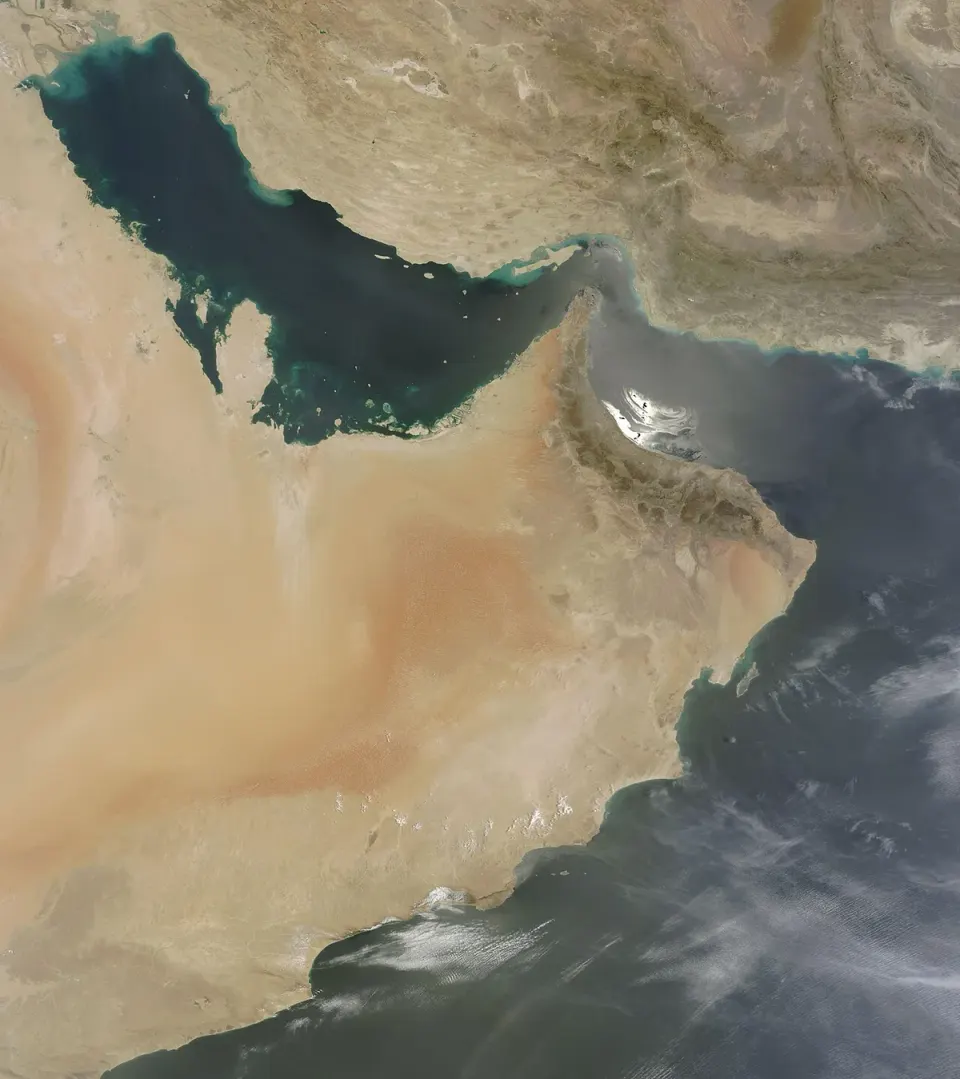
Beyond the immediate conflict zones, the ripple effects are already evident in global energy markets. Japanese refiners are now actively procuring Middle East crude through ship-to-ship (STS) transfers in the Gulf of Oman, explicitly avoiding the Strait of Hormuz. This shift in purchasing behavior, reported by Bloomberg, is a direct response to the heightened security risks in the Persian Gulf since the Iran war began, demonstrating how geopolitical tensions are altering established trade routes and increasing operational costs for oil transportation. None of these Japan-bound tankers are moving into the Persian Gulf, a stark departure from traditional shipping patterns.
This strategic bypass of the Strait of Hormuz—a critical chokepoint for a significant portion of the world's oil supply—is a strong indicator of market participants pricing in increased risk and uncertainty. The decision by Japanese refiners, many of whom had previously avoided the Middle East entirely, to return but with modified, safer routes, reflects a pragmatic adjustment to the persistent regional threats. For the global economy, this means potentially higher shipping insurance premiums and longer transit times, which can contribute to elevated energy costs and broader inflationary pressures, impacting everything from manufacturing to consumer goods.
Hedge Fund Billionaire Warns of 'Challenging' 2027 for Stocks
Looking ahead, a prominent voice in the financial world, hedge-fund billionaire Paul Tudor Jones, has issued a cautionary outlook for the stock market, predicting a “really challenging” year in 2027. Jones, known for his macroeconomic insights and successful trading strategies, attributes this potential downturn to a looming “tsunami of new equity issuance.” His analysis suggests that the current artificial-intelligence-driven bull market, while robust, may eventually be overwhelmed by an influx of new shares entering the market, diluting value and shifting supply-demand dynamics.
This perspective offers a stark contrast to the prevailing optimism surrounding the tech sector and AI advancements. Jones's warning implies that while technological innovation continues to drive growth, the sheer volume of new capital raises and public offerings could fundamentally alter the market's equilibrium. For investors globally, and particularly those in Iran who often look to international markets as benchmarks, this forecast suggests a need for increased prudence and diversification, as the current growth trajectory may not be sustainable in the longer term. It highlights the importance of discerning between fundamental value and speculative exuberance.
Iranian Toman Strengthens as Gold Dips Amidst Regional Uncertainty
In the domestic Iranian market, the Toman has shown a notable strengthening against the US Dollar in the last 24 hours. The USD sell rate moved from 260,600 Toman to 256,000 Toman, marking a decrease of 1.8%. This appreciation of the national currency comes amidst a complex backdrop of regional geopolitical tensions and global market forecasts, suggesting that internal market dynamics or specific policy measures might be at play, at least temporarily offsetting external pressures.
Conversely, the price of gold in the Iranian market experienced a slight dip. Gold 18k/gram decreased from 25,919,940 Toman to 25,638,302 Toman, a change of -1.1%. Similarly, the Emami coin saw a more significant drop, moving from 264,500,000 Toman to 258,000,000 Toman, a decline of 2.5%. These movements suggest a potential shift in investor sentiment, possibly driven by short-term profit-taking or a temporary reallocation of capital, despite gold's traditional role as a safe haven during periods of geopolitical uncertainty. The Toman's unexpected strength alongside gold's dip creates a mixed signal for local investors, who must weigh these domestic dynamics against the broader regional and international developments.
Watch
MI5 chief warns of threats to UK from Russia, Iran and AI | BBC News
BBC News
Frequently Asked Questions
What specific 'hybrid threats' is MI5 warning about from Iran and Russia?
How do the Saudi-Houthi threats impact global oil markets?
Why are Japanese refiners avoiding the Strait of Hormuz?
What is Paul Tudor Jones's prediction for the stock market in 2027?
What were the 24-hour price movements for USD, Gold, and Emami coin in Iran?
Understanding Hybrid Warfare
Hybrid warfare represents a modern, multifaceted approach to conflict that deliberately blurs the lines between conventional military action, unconventional tactics, and non-military tools. It involves a coordinated blend of cyberattacks, disinformation campaigns, economic coercion, political interference, and the use of proxy forces, all designed to destabilize an adversary or achieve strategic objectives without triggering a full-scale military response. The goal is often to create ambiguity, making it difficult for the target state to attribute attacks or respond proportionally, thereby exploiting vulnerabilities below the threshold of declared war.
This form of warfare leverages a wide spectrum of capabilities, ranging from sophisticated state-sponsored cyber operations targeting critical infrastructure to the funding and arming of non-state actors, as seen in various regional conflicts. Information manipulation, including propaganda and deepfakes, plays a crucial role in shaping public opinion, sowing discord, and undermining trust in institutions. By operating in the grey zone between peace and war, hybrid threats allow aggressors a degree of plausible deniability, complicating international responses and collective defense efforts.
The warning from MI5 regarding escalating Iran-Russia hybrid threats in the UK highlights the pervasive nature of this challenge. Such threats are not confined to traditional battlefields but can manifest within a nation's digital networks, political processes, and social fabric. Understanding hybrid warfare is essential for recognizing how adversaries can exert influence, disrupt societies, and pursue geopolitical ambitions through means that are often subtle, indirect, and constantly evolving, demanding a comprehensive and adaptive response from targeted nations.
Topics
Related Articles