UK Faces Multifaceted Threats: Iran, Far-Right, and AI Emerge as Key Concerns
بریتانیا در معرض تهدیدات چندوجهی: ایران، راست افراطی و هوش مصنوعی در صدر نگرانیها
Britain's security landscape is becoming increasingly complex, with intelligence agencies identifying Iran and the far-right as significant state and non-state threats. Alongside these, the rapid advancement of AI presents a novel and potentially destabilizing factor for national security.
At time of publishing
USD
259,800
Toman
Gold 18K
25.71M
Toman / gram
Bitcoin
$83,009
US Dollar
Tether
259,592.16
Toman
UK Security Landscape Dominated by Evolving Threats
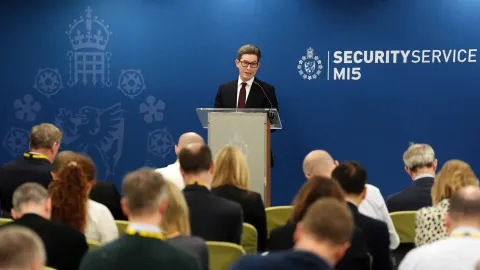
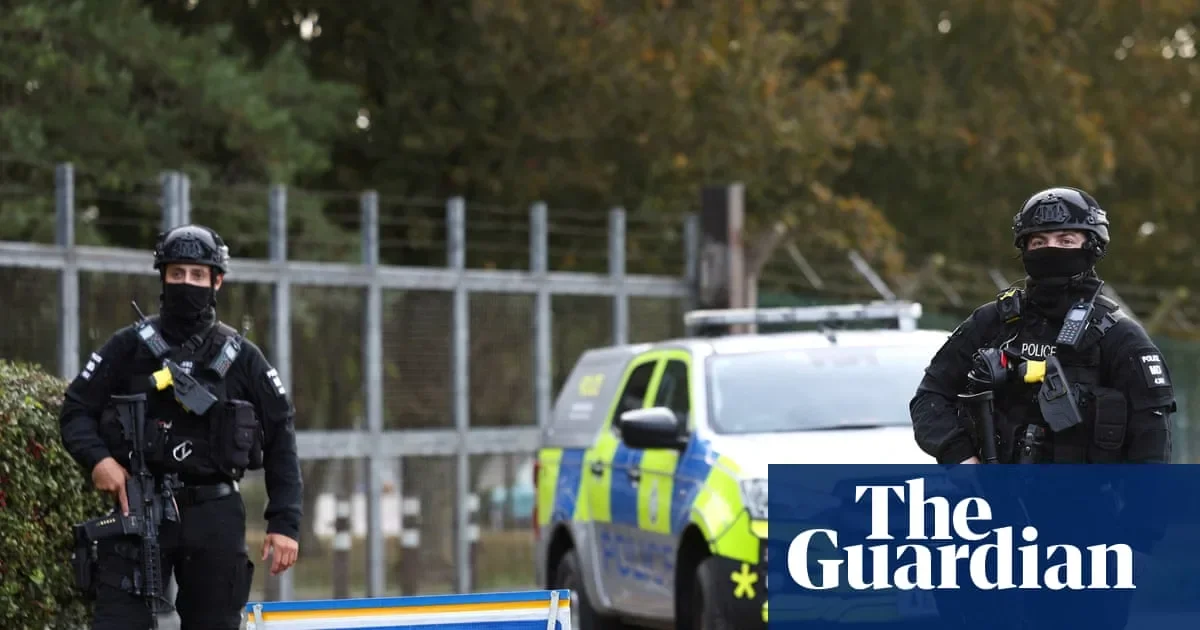
Britain's domestic security apparatus is grappling with a significantly diversified threat environment, as highlighted by MI5's latest annual assessment. The agency's director general, Ken McCallum, has pointed to a confluence of challenges, including a notable rise in far-right extremist activity, particularly anti-migrant sentiment, alongside a more entrenched and concerning pattern of state-sponsored hostility from Iran. This Iranian posture is characterized by efforts to conduct violent and deadly plots within the UK, marking a significant escalation in the nature of the threats faced. The intelligence chief's message was clear: the nation must brace for increased challenges and cultivate greater resilience in the face of these evolving dangers.
Beyond these traditional state and non-state actors, the report implicitly or explicitly acknowledges the burgeoning impact of artificial intelligence on security. While not detailed as a direct threat actor in the same vein as Iran or far-right groups, AI's potential to amplify disinformation campaigns, facilitate sophisticated cyberattacks, or even be weaponized by hostile states presents a complex, future-oriented challenge. The interconnectedness of these threats means that a rise in state-sponsored aggression, exemplified by Iran's actions, does not necessarily correlate with a decrease in terrorist threats. Instead, the landscape is becoming a complex mosaic where different forms of hostility can amplify each other, demanding a more integrated and adaptable security response from the United Kingdom.

Iran's Escalating Hostility and Regional Destabilization
Iran's role as a state sponsor of hostile actions within the UK represents a critical development in its foreign policy and a significant concern for British intelligence. This isn't merely about diplomatic friction; it signifies a direct intent to destabilize the UK through clandestine and potentially lethal means. The implications for Iranian nationals residing in the UK, as well as for broader UK-Iran relations, are substantial. Such actions could provoke retaliatory measures, further sanctions, or a significant deterioration in diplomatic ties, impacting trade, travel, and the economic outlook for both nations. For Iranians abroad, it raises concerns about surveillance and potential state interference.
Simultaneously, Iran's regional activities continue to fuel instability, as evidenced by the Saudi strikes on oil depots in Yemen. This escalation, involving Iran-backed Houthi forces, underscores the proxy conflicts that continue to plague the Middle East. The targeting of energy infrastructure has direct implications for global oil prices and supply routes, potentially impacting the cost of energy for consumers worldwide, including in Iran. Fluctuations in oil prices and regional security can create ripple effects that influence currency markets, investor confidence, and the overall economic sentiment, making it a crucial factor for understanding broader market movements and currency expectations.

Economic Ripples: Currency and Market Volatility
The currency markets are showing a slight downward trend for the US Dollar against the Iranian Toman, with the USD selling at 259,800 Toman, down 0.3% from its previous position. This movement, while modest, occurs against a backdrop of broader global economic uncertainties and geopolitical tensions. Gold prices have also seen a marginal decrease, with 18k gold per gram falling by 0.8%, and the Emami coin experiencing a more significant drop of 2.5%. These shifts in precious metal prices can be indicative of changing investor sentiment, with a decrease often suggesting a slight uptick in risk appetite or a move away from safe-haven assets.
While the specific drivers for these minor fluctuations are complex and multifactorial, they occur within a context where geopolitical events, such as escalating conflicts in the Middle East or shifts in international relations, can have a tangible impact on market confidence. The mention of AI as a growing concern in security assessments also hints at future economic transformations and potential disruptions. For individuals holding savings in Toman or investing in gold and crypto, these movements underscore the importance of staying informed about both domestic economic policies and international developments that can influence asset values and purchasing power.
Geopolitical Chess: Russia and Ukraine
In a separate development, Russia has detained a Japanese journalist on suspicion of espionage. The reporter, working for the Hokkaido Shimbun newspaper, was reportedly in Russia's far east, an area often scrutinized for military activities and recruitment. This incident adds another layer of complexity to international relations, particularly between Russia and East Asian nations. Such detentions can strain diplomatic ties, lead to calls for release, and potentially impact trade or other forms of bilateral cooperation.
The broader geopolitical context also includes ongoing concerns about intelligence sharing between the US and Ukraine. Despite fears that such cooperation might cease, both sides assert that intelligence sharing continues. However, any perceived hesitation or halt in this flow of information could have significant implications for Ukraine's defense capabilities and the broader trajectory of the conflict. These geopolitical maneuvers, whether detentions or shifts in alliances and support, contribute to a global environment of uncertainty that often translates into volatility in financial markets.
Frequently Asked Questions
What specific actions has Iran allegedly taken in the UK?
How is AI impacting the UK's security landscape?
What is the significance of the Saudi strikes in Yemen?
What is the current trend in the USD/IRR exchange rate?
Why has Russia detained a Japanese journalist?
Understanding Geopolitical Risk
In an increasingly interconnected world, nations like the UK face a complex web of threats that extend far beyond their borders. This phenomenon is best understood through the lens of Geopolitical Risk, a concept that describes the potential for political instability, conflicts, and diplomatic tensions between countries or regions to impact global markets, supply chains, and national security. It encompasses not just traditional warfare, but also state-sponsored actions, non-state actor influence, and emerging technological challenges that can ripple across continents.
For the UK, the mention of 'Iran threats,' 'Yemen conflict,' and 'Saudi Arabia' immediately highlights traditional geopolitical risks centered in the Middle East. Iran's regional ambitions, its nuclear program, and its support for various proxy groups (like the Houthis in Yemen) directly affect global energy security, international shipping lanes, and regional stability. These factors pose significant challenges to the UK's economic interests and foreign policy, potentially leading to disrupted trade, increased defense spending, and complex diplomatic engagements.
Beyond these traditional flashpoints, the concept of Geopolitical Risk expands to include more contemporary concerns. 'Far-right extremism,' while often manifesting domestically, can have international ideological ties, inspire cross-border attacks, or be exploited by adversarial states, thus becoming a transnational security threat. Similarly, 'AI security' introduces a new dimension of geopolitical competition. The race for technological supremacy in artificial intelligence, the potential for AI-powered cyber warfare, or the development of autonomous weapons systems can fundamentally alter the balance of power and create new avenues for international conflict and espionage, directly impacting national security and economic competitiveness.
Ultimately, understanding Geopolitical Risk is crucial for policymakers, businesses, and citizens alike. These multifaceted threats, whether from state actors, extremist groups, or disruptive technologies, are not isolated incidents. They are interconnected elements of a dynamic global landscape that demand comprehensive and adaptive strategies to safeguard national interests, ensure economic stability, and promote international peace and security.
Topics
Related Articles