Nord Stream Sabotage Trial Begins in Germany as Bitcoin Nears $84,000 Amid Global Tension
آغاز محاکمه جنجالی انفجار نورد استریم و خیز بیتکوین برای مرز ۸۴ هزار دلار در میان تنشهای جهانی
A Ukrainian special forces officer faces trial in Hamburg for the 2022 Nord Stream pipeline blasts, marking a pivotal moment in European energy security. Meanwhile, Bitcoin surges toward $84,000 following dovish Fed signals, while the Iranian gold market sees a 1.2% uptick despite a steady dollar.
At time of publishing
USD
259,800
Toman
Gold 18K
25.96M
Toman / gram
Bitcoin
$83,421
US Dollar
Tether
259,615.802
Toman
The Nord Stream Sabotage: A Soldier on Trial in Hamburg
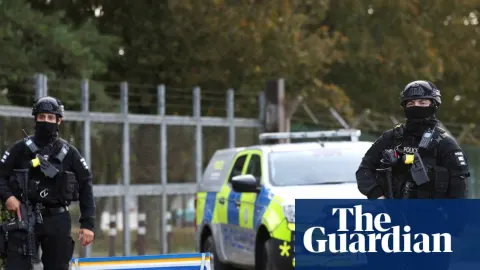
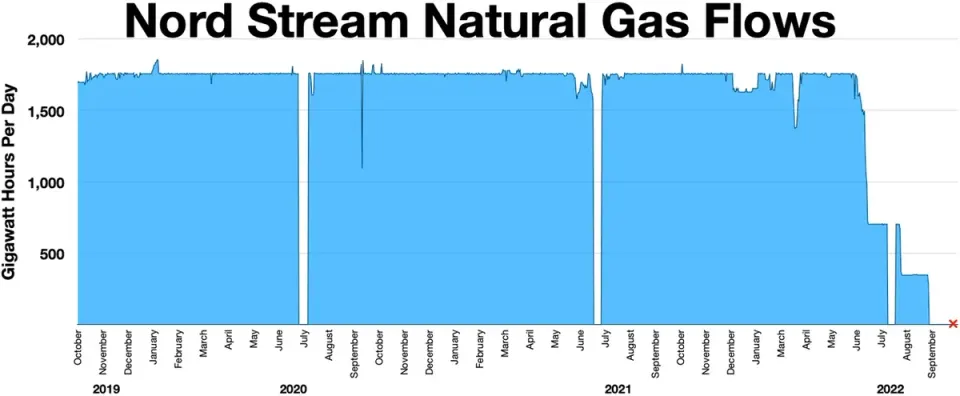
In a case that could redefine the narrative of the war in Ukraine and European energy security, a Ukrainian special forces officer, Serhii Kuznetsov, is appearing before a court in Hamburg, Germany. He stands accused of participating in the 2022 sabotage of the Nord Stream gas pipelines, an act of destruction that crippled Russia’s direct energy link to Germany and sent global gas prices into a tailspin. Prosecutors allege that Kuznetsov was an accomplice in war crimes, specifically targeting civilian infrastructure and disrupting essential public services. While the officer denies involvement, the trial is expected to shed light on one of the most sophisticated underwater operations in modern history.
This trial is not just about individual guilt; it carries immense geopolitical weight. For Europe, the Nord Stream blasts were a moment of profound vulnerability, forcing a rapid and expensive decoupling from Russian energy. If a Ukrainian military link is formally established in court, it could complicate the delicate diplomatic balance between Kyiv and its Western backers, particularly Germany, which bore the brunt of the economic fallout. For global markets, it serves as a stark reminder that critical infrastructure remains a prime target in modern conflict, maintaining a permanent risk premium on energy commodities.
---
Market Dynamics: Gold Gains as Bitcoin Eyes New Heights
Turning to the financial landscape on Wednesday, October 14, 2026, the Iranian market is showing signs of localized heat despite the relative stability of the US Dollar. The USD sell rate remained flat at 259,800 Toman, showing no change over the last 24 hours. However, the precious metals sector is telling a different story. Emami coin rose from 258,000,000 to 261,000,000 Toman, a 1.2% increase, while 18k gold climbed from 25,712,175 to 25,956,877 Toman per gram (+1.0%). This divergence suggests that domestic investors are seeking a hedge in gold, perhaps anticipating future volatility or reacting to broader regional uncertainties.
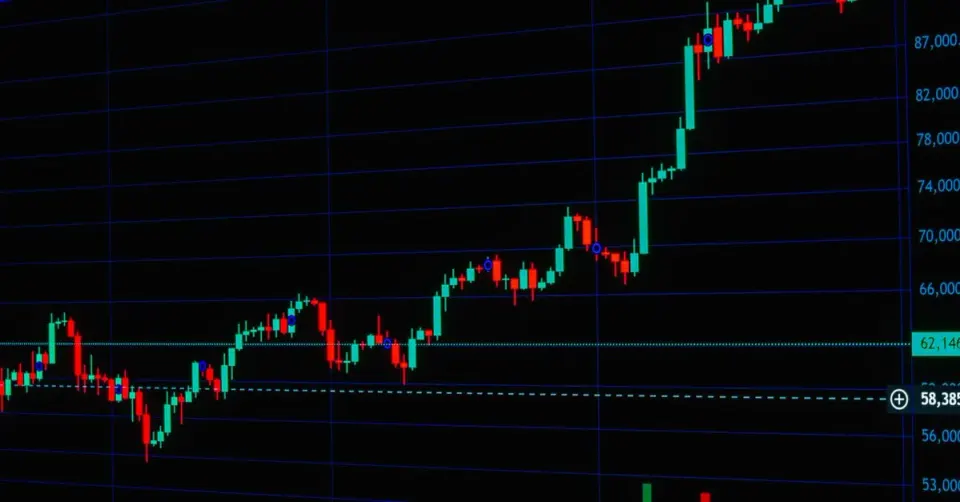
Globally, the mood is decidedly bullish for risk assets. Bitcoin is currently trading at $83,421, climbing toward the $84,000 mark. This move was catalyzed by comments from New York Fed President John Williams, who suggested that interest rate hikes might be off the table through 2027. Lower interest rate expectations typically weaken the dollar and boost non-yielding assets like crypto and gold. For Iranian traders, this global rally in Bitcoin provides a double-edged sword: while it offers high-return opportunities, the volatility of the global market coupled with domestic inflationary pressures requires a disciplined approach to portfolio management.
---
Geopolitics and Domestic Industry: From Trump’s Rhetoric to Nuclear Exports
In the diplomatic arena, Iran’s Ambassador to Russia, Kazem Jalali, has publicly dismissed recent claims by Donald Trump regarding the potential destruction of American cities as "unfounded campaign rhetoric." These statements come at a time when the Iranian public is hyper-sensitive to any news regarding US-Iran relations, which directly impacts the psychological floor of the currency market. By framing these allegations as purely political theater, the envoy aims to de-escalate the perceived risk of immediate conflict, which may explain why the USD/IRR pair has remained stagnant despite the heated headlines coming out of the US election cycle.
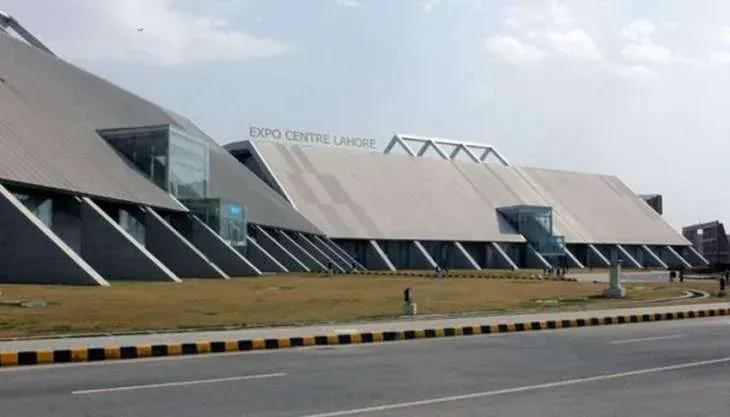
Domestically, the Atomic Energy Organization of Iran (AEOI) is making a push for economic legitimacy at the Shiraz Expo 2026. The organization is showcasing its technological capabilities in nuclear medicine, agriculture, and radiation applications, specifically targeting export markets in the Persian Gulf littoral states. This shift toward the commercialization of nuclear technology is a strategic move to demonstrate that the industry has applications beyond the controversial enrichment program. While sanctions remain a significant hurdle for any high-tech exports, the focus on "nuclear diplomacy" through trade signals an attempt to build regional economic ties that could eventually serve as a buffer against Western economic pressure.
Frequently Asked Questions
Why is the Nord Stream trial significant for energy prices?
What drove Bitcoin toward the $84,000 mark today?
Why did gold prices in Iran rise while the dollar remained stable?
Understanding the Nord Stream Pipelines and Their Role in European Energy Security
The Nord Stream pipelines are a pair of under‑sea natural‑gas conduits that run from Russia’s gas‑rich fields in the Baltic Sea to the German coast. Completed in 2011 (Nord Stream 1) and 2012 (Nord Stream 2), they can transport up to 55 billion cubic metres of gas per year, providing a direct, high‑capacity link that bypasses traditional transit countries such as Ukraine and Poland. This direct route reduces transit fees and political friction, but it also concentrates Europe’s gas supply dependence on a single supplier – Russia.
The strategic importance of the pipelines became starkly apparent after Russia’s invasion of Ukraine in 2022. European governments scrambled to diversify energy sources, while Russia used gas deliveries as a lever in diplomatic negotiations. In September 2022, both Nord Stream 1 and 2 suffered mysterious leaks that were later classified as sabotage, sparking an international investigation and a high‑profile trial in Germany that began in 2024. The sabotage highlighted how critical infrastructure can become a target in geopolitical conflicts, raising questions about the security of offshore energy assets.
From an energy‑security perspective, the Nord Stream case illustrates the concept of “supply concentration risk.” When a large share of a country’s fuel imports comes from a single pipeline or supplier, any disruption – whether technical, political, or hostile – can trigger price spikes, shortages, and broader economic instability. The European Union has responded by accelerating the rollout of renewable energy, expanding LNG import capacity, and investing in inter‑connector projects that allow gas to flow across borders more flexibly.
Understanding the Nord Stream pipelines therefore offers a window into the broader dynamics of European energy policy, the interplay between infrastructure and geopolitics, and the ongoing debate over how to balance economic efficiency with strategic resilience.
Topics
Related Articles