Iran's IRGC Warns of 'Crushing Response' as Ukraine Faces Starlink Restrictions
تهدید سپاه علیه 'هر اشتباهی'؛ اوکراین با محدودیت استارلینک روبرو شد
Iran's IRGC has issued a stern warning of a 'crushing response' to any enemy mischief, underscoring military readiness amid heightened regional tensions. Meanwhile, Ukraine's access to critical Starlink internet services faces restrictions, potentially impacting its defense capabilities as Russia escalates its attacks.
At time of publishing
USD
264,900
Toman
Gold 18K
25.99M
Toman / gram
Bitcoin
$81,878
US Dollar
Tether
263,893
Toman
IRGC Issues Stark Warning Amid Regional Tensions
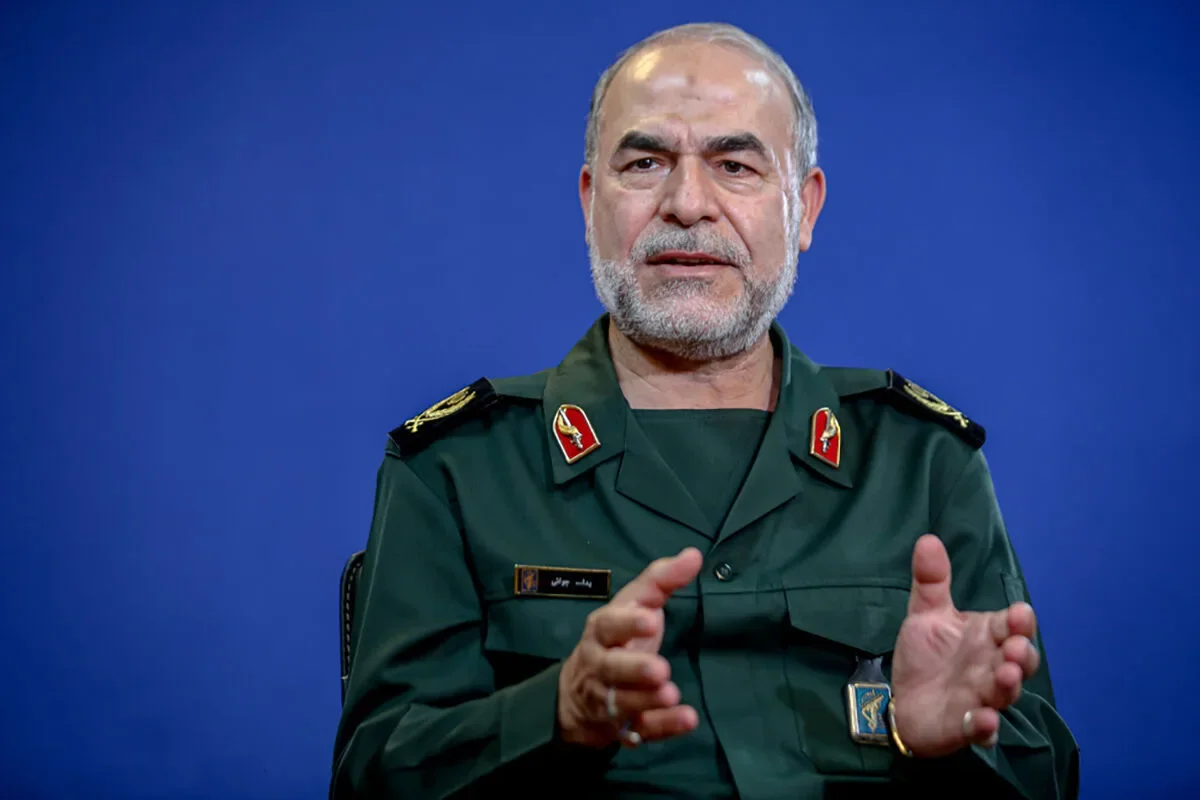
Brigadier General Yadollah Javani, deputy for political affairs of the Islamic Revolution Guards Corps (IRGC), has declared that Iran's armed forces are fully prepared to counter potential threats. Speaking from Gorgan, Javani emphasized that any miscalculation by Iran's adversaries would result in a swift and decisive 'crushing response.' This statement underscores the ongoing high alert within Iran's military establishment, particularly in the context of persistent regional security concerns and the broader geopolitical landscape.
The IRGC's assertion of readiness serves as a clear deterrent message, aiming to dissuade potential aggressors from any hostile actions. It reflects a strategic posture designed to maintain stability by projecting strength and resolve. For the Iranian public, such pronouncements often translate into heightened awareness of external threats and can influence perceptions regarding national security and economic stability, potentially impacting currency expectations and market confidence. The emphasis on readiness suggests that Iran perceives a tangible risk of escalation, making vigilance and preparedness paramount.
---
Ukraine's Starlink Vulnerability Exposed Amid Russian Offensive
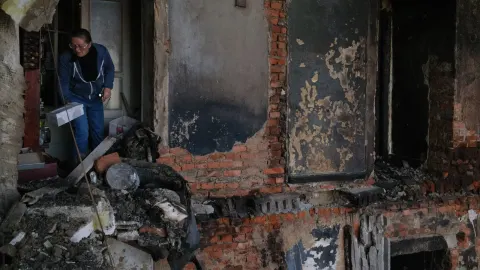
Ukraine's defense capabilities are facing a new challenge as access to Starlink satellite internet services, a crucial tool for communication and coordination, has reportedly been restricted. This development comes at a critical juncture, with Russia escalating its offensive operations, including a significant attack that plunged 600,000 people in Kyiv into darkness. The sudden curbing of Starlink services, which are reportedly supported by Pentagon funding, raises concerns about the reliability of vital communication infrastructure during active conflict.
The implications for Ukraine's military operations are significant. Starlink has been instrumental in providing resilient communication channels that are less susceptible to traditional jamming and disruption. Any limitation on its availability could impede battlefield awareness, command and control, and the rapid dissemination of intelligence. This vulnerability is exacerbated by Russia's ongoing escalations, suggesting a potential strategic attempt to degrade Ukraine's operational effectiveness by targeting its access to essential technological lifelines.
---
Inflation Re-emerges as a Global Economic Concern
US inflation has shown a worrying uptick, rising to 3.7% in the year to September, exceeding economists' expectations. This acceleration in price growth is largely attributed to a surge in motor fuel costs, indicating that inflationary pressures remain persistent and are being driven by volatile energy markets. The renewed inflationary trend signals potential challenges for central banks attempting to manage economic stability and could impact consumer purchasing power across various economies.
This development has broader implications for global markets and individual financial planning. For instance, in Iran, the USD/IRR exchange rate has seen a significant jump of 2.0% in the last 24 hours, moving from 259,800 to 264,900 Toman. This currency depreciation, coupled with rising gold prices (18k gold per gram up 1.1% and Emami coins up 3.9%), suggests that investors are seeking refuge in traditional safe-haven assets amidst global economic uncertainty. Such market movements highlight the interconnectedness of global economic indicators and their direct impact on local currencies and asset values, prompting concerns about affordability and retirement planning, as evidenced by a separate MarketWatch report.
---
Papal Health Update: Pope Leo XIV Diagnosed with Lung Cancer
In a significant development concerning the Vatican, Pope Leo XIV was diagnosed with a common form of lung cancer on Tuesday. While the diagnosis itself is a matter of global interest given the Pope's prominent spiritual leadership, the Vatican has also provided reassuring details regarding his condition. Postoperative tests have reportedly shown normal results, suggesting that the immediate aftermath of the diagnosis and any necessary initial procedures have proceeded without significant complications.
This news, while primarily of religious and human interest, can indirectly influence geopolitical sentiment. The health of major world leaders, even spiritual ones, can sometimes create ripples of uncertainty or affect diplomatic engagements. While no direct market impact is immediately apparent, such events contribute to the broader tapestry of global news, influencing risk appetite and investor sentiment in subtle ways. The focus now shifts to the Pope's treatment and recovery, with the Vatican emphasizing positive initial outcomes from his tests.

---
UK Politics: Zelenskyy to Visit Downing Street
Ukrainian President Volodymyr Zelenskyy is scheduled to visit Downing Street, where he will be hosted by Andy Burnham. This high-level diplomatic engagement underscores the continued international support for Ukraine amidst its ongoing conflict with Russia. The visit is expected to focus on reinforcing bilateral ties and discussing further assistance for Kyiv. The presence of the Ukrainian president in London signifies the UK's sustained commitment to Ukraine's sovereignty and territorial integrity, potentially involving discussions on military aid and post-conflict reconstruction.
This diplomatic activity occurs against a backdrop of complex international relations, including reported disruptions to Ukraine's Starlink internet access and Russia's ongoing military escalations. The discussions at Downing Street will likely address these intertwined issues, seeking to bolster Ukraine's resilience and strategic partnerships. While direct market impacts may not be immediate, such high-profile diplomatic exchanges are crucial for maintaining global alliances and shaping the geopolitical narrative surrounding the conflict, influencing investor confidence and risk assessments in Eastern Europe and beyond.
Frequently Asked Questions
What is the IRGC's current stance on regional threats?
How might Starlink restrictions affect Ukraine?
What is the current inflation situation in the US?
What has been the impact of global economic news on the Iranian Toman and gold prices?
What is the latest health update on Pope Leo XIV?
Understanding Secondary Sanctions and Their Economic Ripple Effects
Secondary sanctions are a tool used by powerful countries, especially the United States, to extend the reach of primary sanctions beyond the target nation. While primary sanctions forbid direct dealings with the sanctioned state, secondary sanctions penalize third‑party firms, banks, or individuals that continue to do business with the target. This creates a chilling effect: even companies that are not based in the sanctioned country may cut ties for fear of losing access to the sanctioning country’s financial system or markets.
In the case of Iran, the U.S. has imposed primary sanctions on its oil sector, banking system, and military entities such as the Islamic Revolutionary Guard Corps (IRGC). When the United Kingdom and the United States pressured satellite‑internet provider Starlink to suspend service to Ukraine’s front lines—citing concerns that the technology could aid Russian forces—Iran’s IRGC warned of a “crushing response.” The warning reflects how secondary sanctions can provoke geopolitical retaliation, as the IRGC perceives the move as an indirect attempt to limit Iran’s influence in the region.
The economic fallout of secondary sanctions is often felt most acutely in a country’s currency and inflation. Iran’s rial (IRR) has been under persistent pressure, losing value against the U.S. dollar as foreign investors and banks withdraw. With the official exchange rate diverging sharply from the black‑market rate, everyday Iranians turn to gold as a store of value, driving up domestic gold prices. Similar dynamics have been observed in Russia, where sanctions on its banking sector have accelerated the shift to dollar‑denominated trade and increased reliance on precious metals.
Understanding secondary sanctions helps explain why a seemingly technical decision—like restricting Starlink—can cascade into broader economic consequences: higher inflation, currency depreciation, and a surge in gold demand. Policymakers and investors watch these ripple effects closely, as they signal the health of an economy under sanction pressure and can influence decisions on asset allocation and risk management.
Topics
Related Articles