Strait of Hormuz Tensions Escalate as Ship Sinks; Iran Signals Negotiation Stance
تنشها در تنگه هرمز با غرق شدن کشتی تشدید شد؛ ایران موضع خود را در مذاکرات اعلام کرد
A container ship has sunk in the Strait of Hormuz after being struck by a projectile, raising maritime security concerns in a critical global shipping lane. Meanwhile, Iran has reiterated that any negotiations require high-level approval from its Supreme National Security Council and the Leader.
At time of publishing
USD
265,100
Toman
Gold 18K
26.03M
Toman / gram
Bitcoin
$81,635
US Dollar
Tether
264,723
Toman
Container Ship Sinks in Strait of Hormuz Amid Rising Tensions
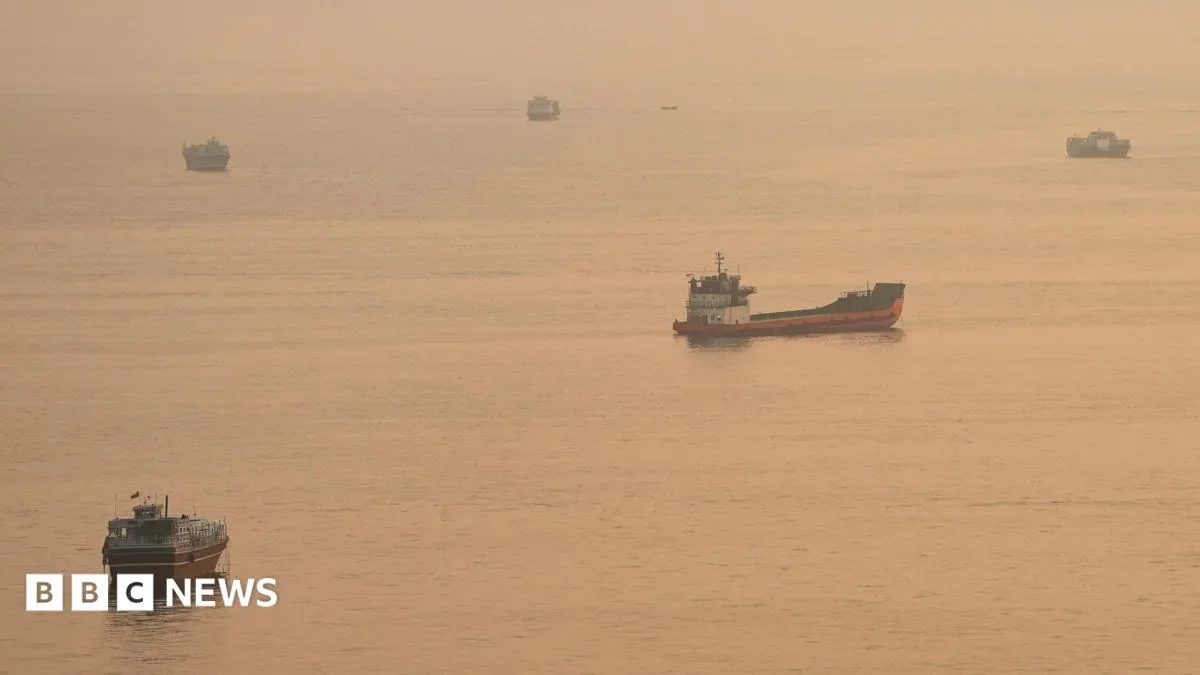
A Singapore-flagged container ship, the GFS Pride, has sunk in the Strait of Hormuz after being struck by a projectile. All 21 crew members were safely evacuated, but the incident significantly heightens concerns over maritime safety in one of the world's most vital waterways. This event occurs amidst a reported surge in attacks on shipping in the region, with some reports suggesting Iran is attempting to exert control or disrupt passage.
The sinking of the GFS Pride is a stark reminder of the escalating geopolitical risks in the Persian Gulf. The Strait of Hormuz is a chokepoint through which a significant portion of the world's oil and gas supply passes. Any disruption or perceived threat to shipping in this area can have immediate and far-reaching consequences for global energy markets, potentially leading to price volatility and increased shipping costs. For Iran, such incidents, whether directly attributable or occurring in its vicinity, can be perceived as leveraging its strategic position, potentially to influence regional dynamics or international negotiations.
---
Iran Clarifies Negotiation Stance Amid Regional Instability
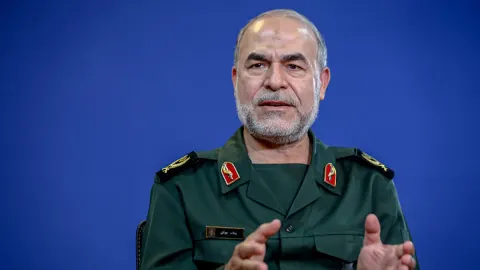
In parallel with the maritime incident, Iran has officially stated its position on potential negotiations. Mohammad Jafar Ghaempanah, vice president for executive affairs, emphasized that any diplomatic talks would necessitate approval from the Supreme National Security Council (SNSC) and the ultimate authorization of the Supreme Leader, Ayatollah Sayyid Mojtaba Hosseini Khamenei. This statement underscores the stringent internal approval processes governing Iran's foreign policy decisions.

This clarification comes at a time of heightened regional tensions, including the ongoing conflict in Yemen and the maritime incidents in the Strait of Hormuz. By emphasizing the need for top-level approval for negotiations, Iran may be signaling a desire for a more controlled and strategic approach to diplomacy, or it could be an attempt to manage domestic expectations and project an image of unwavering resolve. The market impact of such statements is often tied to how they are interpreted in the context of international relations and potential sanctions relief or imposition.
Frequently Asked Questions
What is the significance of the Strait of Hormuz for global trade?
What does Iran's statement on negotiations imply?
How might the sinking of the GFS Pride impact oil prices?
What is the current status of the US dollar against the Iranian Toman?
Why the Strait of Hormuz Matters: Understanding Strategic Chokepoints
The term strategic chokepoint refers to a narrow geographic passage—such as a strait, canal, or bridge—through which a disproportionate share of global trade must flow. Because the route is limited in width and depth, any disruption can have outsized effects on shipping costs, supply chains, and even the price of commodities worldwide. Chokepoints are therefore focal points for both commercial interests and national security strategies, as states seek to protect or control them to safeguard their economic lifelines.
The Strait of Hormuz is perhaps the most famous maritime chokepoint on the planet. It is only about 21 nautical miles (39 km) wide at its narrowest point, yet it channels roughly 20‑25% of the world’s petroleum—including a substantial share of crude oil and refined products—from the Gulf states to global markets. According to the International Energy Agency, about 21 million barrels of oil per day pass through Hormuz, making any blockage a potential shock to the global energy system and a lever for price volatility.
Because of its outsized role in energy trade, the strait sits at the intersection of geopolitics and security. Iran, which borders the strait on the north, has repeatedly threatened to close or restrict passage as a bargaining tool, while the United States and its allies conduct regular freedom‑of‑navigation operations to demonstrate that the waterway remains open to all commercial vessels. Incidents such as the recent sinking of the container ship GFS Pride heighten tensions, prompting diplomatic warnings and rapid military deployments that underscore how a single event can ripple through international relations.
The legal framework governing the strait is anchored in the United Nations Convention on the Law of the Sea (UNCLOS), which guarantees the right of innocent passage for all ships through international straits used for navigation. However, the convention also allows coastal states to enforce safety and environmental regulations, creating a delicate balance between sovereign authority and global commerce. Understanding this legal backdrop helps explain why negotiations over navigation rights, security guarantees, and compensation for incidents are a recurring feature of Hormuz‑related diplomacy.
Topics
Related Articles