Ghalibaf Mocks US Treasury as Toman Slides; OpenAI Staff Average £2.3M Amid AI Talent War
تمسخر وزیر خزانهداری آمریکا توسط قالیباف همزمان با جهش دلار؛ دستمزد ۱۶۰ میلیارد تومانی کارمندان OpenAI
While Iranian officials mock US economic predictions, the Toman has jumped 2.1% in 24 hours. Meanwhile, OpenAI's staggering London salaries reveal the extreme cost of the global AI race.
At time of publishing
USD
265,200
Toman
Gold 18K
26.14M
Toman / gram
Bitcoin
$81,753
US Dollar
Tether
264,735
Toman
Political Sarcasm Meets Market Reality in Tehran
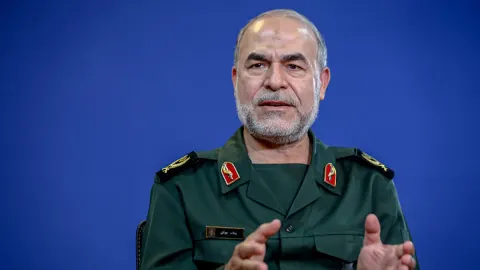
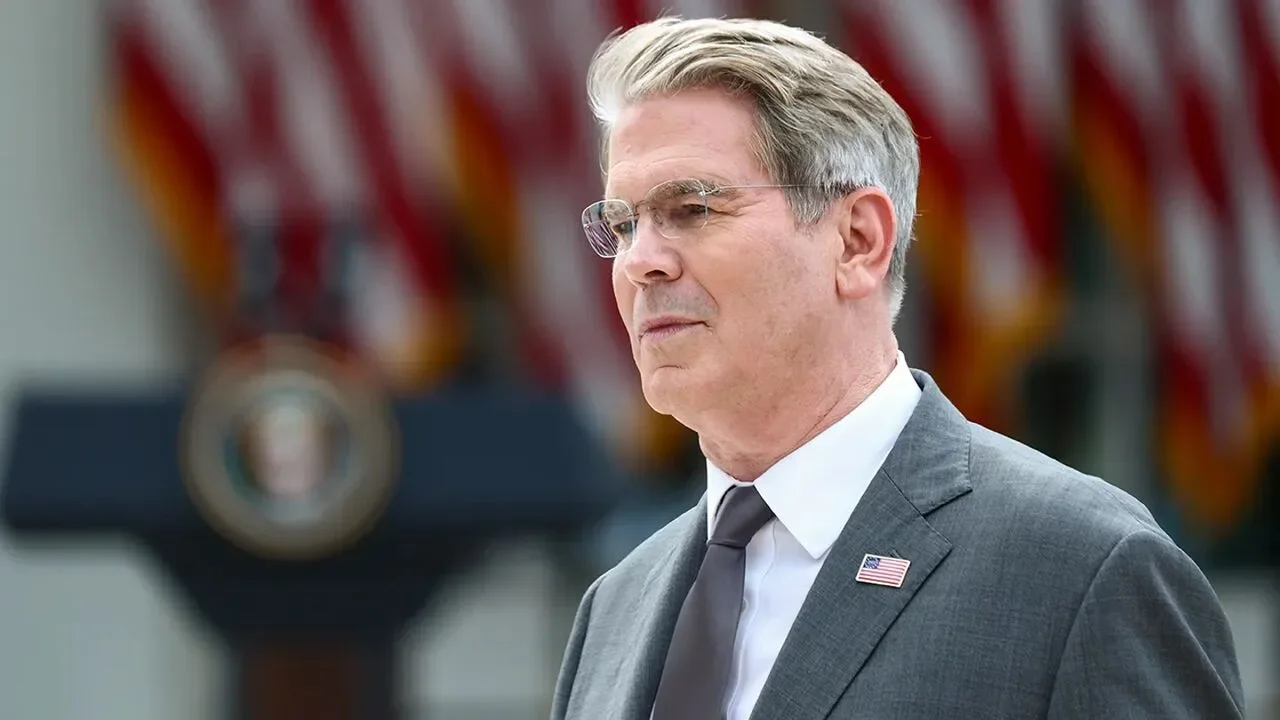
Iranian Parliament Speaker Mohammad Bagher Ghalibaf has publicly mocked US Treasury Secretary Scott Bessent, suggesting his failed predictions regarding the collapse of Iran's economy deserve a "Nobel Prize in Physics" for proving time is irrelevant. Ghalibaf’s rhetoric, reported by state media, attempts to project a sense of invulnerability despite years of heavy sanctions. However, the bravado in the halls of Parliament contrasts sharply with the reality on the streets. At 23:00 Tehran time on Wednesday, October 14, 2026, the Iranian Toman continues its downward trajectory, with the US Dollar rising from 259,800 to 265,200 Toman in just 24 hours, representing a 2.1% surge in the exchange rate. This disconnect between official narrative and market data is a recurring theme in the Iranian economy. While Ghalibaf focuses on political scoring, the domestic gold market is also feeling the heat. The Emami gold coin has surged by 3.9%, moving from 258,000,000 to 268,000,000 Toman. For the average Iranian citizen, these numbers translate to immediate inflationary pressure on essential goods and services. The government’s strategy appears to be one of psychological warfare, attempting to decouple public sentiment from the volatile exchange rate, even as the currency hits new lows.

The Sky-High Price of Artificial Intelligence Dominance
In the global technology sector, the cost of staying competitive has reached unprecedented levels. Recent financial disclosures from OpenAI’s London branch reveal that its 110 staff members received an average compensation of £2.3 million (approximately $3 million) last year. This package, which includes both base salaries and lucrative share options, places AI researchers in the same earning bracket as Premier League football stars. The figures underscore the desperate "talent war" currently raging between OpenAI, Google, and Meta, as these giants race to achieve a $1 trillion valuation and dominate the next era of computing. This massive capital outflow into human resources explains why venture capital and institutional investors are increasingly cautious yet remains tethered to the AI narrative. For global markets, this concentration of wealth and talent suggests that the AI sector is no longer just a speculative bubble but a heavy-weight industrial engine. However, the bankruptcy proceedings of competitors like Character.AI serve as a cautionary tale; while the leaders are paying millions to individual staff, smaller players are struggling with data privacy regulations and unsustainable burn rates. The market is effectively bifurcating into the "AI elite" and everyone else.

Trump’s Campaign Momentum and the Battle for the Senate
In the United States, the political landscape is heating up as Donald Trump rallies supporters in Arizona and Montana. The former president is focusing on key swing states to bolster Republican candidates, while simultaneously fighting a legal battle over media access to the White House grounds. A federal judge recently issued a preliminary injunction preventing the administration from blocking outlets like CNN and Politico. This legal friction comes as Democratic Super PACs pour millions of dollars into competitive Senate races in Michigan and Maine, signaling a high-stakes battle for control of the legislative branch in the upcoming elections. For international observers and markets, the US election cycle remains the primary driver of geopolitical risk. Trump’s recent rhetoric regarding potential military strikes and his skepticism toward international aid—exemplified by the current restrictions on Starlink services in Ukraine—suggests a radical shift in foreign policy could be on the horizon. If the Republicans secure the Senate, the path for renewed maximum pressure campaigns against Iran or shifts in NATO support becomes much clearer. Investors are currently pricing in this uncertainty, which is partially responsible for the volatility seen in both traditional currency markets and the crypto space, where Bitcoin is currently hovering near the $81,753 mark.

Inflation Realities and the Retirement Crisis
Closer to the consumer level, the struggle against inflation is manifesting in the debate over Social Security and retirement savings. In the US, the cost-of-living adjustment (COLA) for 2027 has been set at 3.6%, providing a modest $75 monthly increase for seniors. While this is intended to offset rising costs, many argue it fails to keep pace with the actual expenses of healthcare and long-term care. This has led to a growing "retirement anxiety" even among the relatively wealthy; stories of individuals with $4 million in savings fearing they cannot afford to retire highlight the psychological toll of persistent global inflation.
Frequently Asked Questions
Why is the Toman falling despite official optimistic statements?
How does OpenAI afford to pay its staff £2.3 million on average?
What is the impact of the US Senate race on Iran?
Understanding Currency Devaluation: When a Nation's Money Loses Value
Currency devaluation occurs when a nation's currency loses value relative to other currencies, often intentionally by government policy or due to market forces. This means it takes more units of the local currency to buy one unit of a foreign currency, such as the US dollar. For instance, if the Iranian Toman devalues against the US dollar, it implies that you need more Tomans to purchase a single dollar than before. This phenomenon is frequently a symptom of broader economic instability, high inflation, or external pressures like international sanctions, all of which can erode confidence in a country's economic future.
The reasons behind currency devaluation are multifaceted. Economic instability, characterized by high budget deficits, excessive money printing, or a significant trade imbalance where imports far exceed exports, can naturally weaken a currency. In the case of countries like Iran, geopolitical tensions and extensive international sanctions play a crucial role, severely restricting access to global markets and foreign currency reserves. Such external pressures can limit a nation's ability to earn foreign exchange, thereby increasing demand for stable foreign currencies and driving down the value of the local tender.
While devaluation can make a country's exports cheaper and more competitive on the global market, potentially boosting export-oriented industries, its downsides often outweigh the benefits for ordinary citizens. A depreciating currency makes imports significantly more expensive, leading to higher prices for essential goods, raw materials, and consumer products. This fuels inflation, eroding the purchasing power of wages and savings, and can lead to a drastic decline in living standards. For individuals, their wealth stored in local currency diminishes, and the cost of travel or education abroad skyrockets.
Ultimately, a sustained period of currency devaluation signals underlying economic vulnerabilities and can trigger a cycle of distrust and further economic hardship. Governments often attempt to stabilize their currency through various measures, including monetary policy adjustments, fiscal discipline, or seeking international aid. However, in complex geopolitical environments, these efforts can be severely constrained, leaving citizens to bear the brunt of a depreciating currency's economic consequences.