Tirana in Turmoil: Student Protests Rock Albania as Trump Vows Rapid End to Iran Conflict
آشوب در تیرانا و وعده صلح ترامپ؛ دلار به ۲۶۷ هزار تومان نزدیک شد
Violent student protests have erupted in Albania's capital, while Donald Trump claims he can end the 'Iran war' instantly. Despite the rhetoric, the Toman rose 0.6% today as global tech markets face a massive sell-off triggered by US inflation fears.
At time of publishing
USD
266,900
Toman
Gold 18K
26.29M
Toman / gram
Bitcoin
$80,928
US Dollar
Tether
267,473
Toman
Albania’s Domestic Crisis and the Shadow of Regional Stability
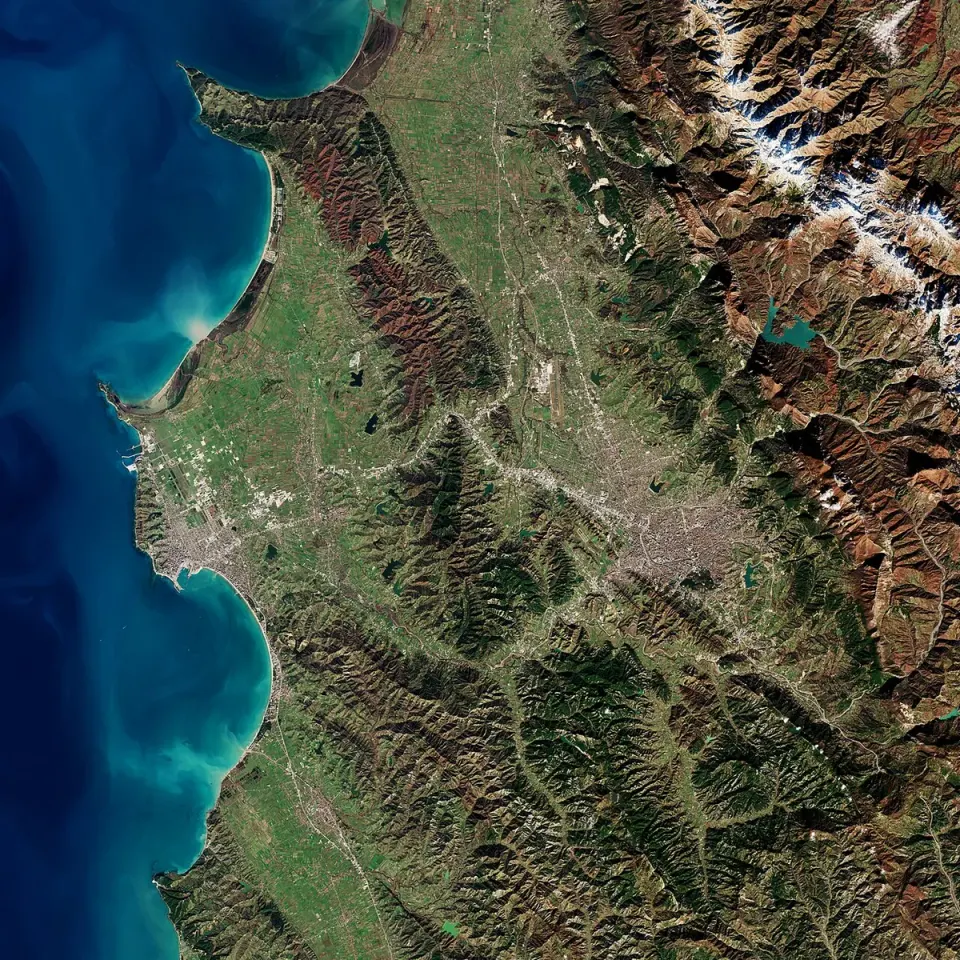
Violent clashes have erupted in Tirana, the capital of Albania, as student protests over university conditions and unemployment escalated into a direct challenge to Prime Minister Edi Rama’s government. Riot police deployed water cannons and tear gas after demonstrators formed makeshift barricades and damaged several government buildings. At least 16 individuals have been arrested following a night of street violence that has left the capital in a state of high tension. For Iranian observers, stability in Albania is of particular interest due to the country's long-standing role as a host for various opposition groups, making any internal upheaval there a point of scrutiny for regional security analysts.
The protests are not merely about educational grievances; they reflect a deeper frustration with the economic direction of the country and a perceived lack of transparency in the administration. As the situation remains fluid, the international community is watching closely to see if the unrest spreads beyond the student population. The geopolitical ripples of instability in a NATO-member Balkan state often impact broader European security narratives, which indirectly influences the diplomatic environment in which Iran operates, particularly regarding its relations with European oversight bodies.
Trump’s Peace Vow vs. The Toman’s Upward Climb
In the heat of US midterm rallies, Donald Trump has made the bold claim that the "Iran war will end very soon," asserting that he could stop the conflict as soon as he desires. Speaking to reporters, Trump suggested that under his influence, oil prices would "drop like a rock" and Iran would never achieve nuclear capabilities. However, the Iranian currency market appears skeptical of this campaign rhetoric. During today's session on Thursday, October 15, 2026 (پنجشنبه ۲۳ مهر ۱۴۰۵), the USD/IRR exchange rate moved from 265,200 to 266,900, marking a 0.6% increase. This suggests that traders are prioritizing immediate economic pressures and supply route concerns over long-term political promises.
Adding to the domestic tension, President Masoud Pezeshkian emphasized that Iran would not allow the United States to achieve what he termed "sinister objectives" by disrupting supply routes or creating public discontent. This domestic hardening of stance, coupled with the rising price of gold—where the Emami coin rose 0.7% to reach 270,000,000 Toman—indicates that the market is bracing for continued friction rather than a swift diplomatic resolution. While political figures speak of peace, the economic indicators in Tehran reflect a population hedging against further volatility and inflation.

Global Tech Rout and the AI Debt Crisis
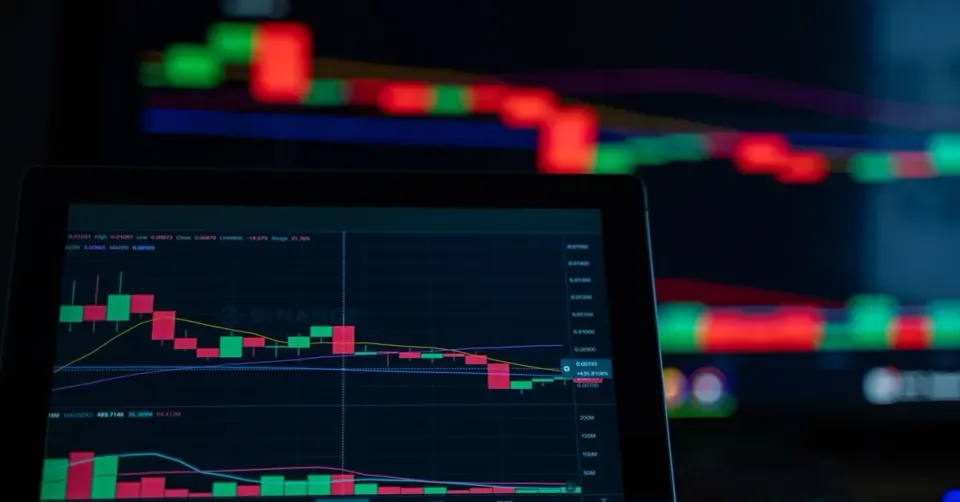
A massive sell-off in the technology sector is currently rippling through global markets, triggered by fears of persistent US inflation and the staggering debt loads of AI-linked firms. South Korea’s KOSPI index suffered a dramatic 7.5% drop, hitting its lowest level since April and triggering circuit breakers to halt trading. This contagion has spread to the crypto markets, where Bitcoin (BTC) has dipped to $80,928, struggling to maintain the momentum it held earlier in the week. Investors are increasingly wary that the Federal Reserve may be forced into further interest rate hikes as September inflation data exceeded most analyst forecasts.
The tech rout is particularly focused on semiconductor giants like Samsung and SoftBank, as traders question the immediate profitability of massive AI infrastructure investments. This global risk-off sentiment is also being felt in the cryptocurrency space, where security concerns are mounting; recent reports indicate that Q3 crypto hacks have approached $1.2 billion, primarily targeting infrastructure components. For the Iranian investor, this global instability complicates the use of digital assets as a stable hedge, as the volatility of Bitcoin now mirrors the broader tremors in the international financial system.
Musk, Starlink, and the Battle for Digital Sovereignty
Elon Musk has injected fresh controversy into the geopolitical sphere by suggesting that the US government was behind certain restrictions placed on Starlink satellite services in Ukraine. This development highlights the growing tension between private tech infrastructure and state military objectives. As Starlink remains the "backbone of military communications" in conflict zones, the ability of a single individual or corporation to influence battlefield connectivity has become a central theme of modern warfare. This narrative of tech sovereignty is highly relevant in Iran, where debates over localized internet versus satellite-based solutions like Starlink continue to shape the domestic policy landscape.
Meanwhile, the rhetoric of conflict continues to escalate as Ukraine prepares to resume strikes on Russian oil refineries, defying previous warnings about global energy price stability. This cycle of attack and retaliation in the energy sector is a primary driver of the global economic uncertainty that Trump referenced in his speeches. As energy infrastructure becomes a primary target, the resulting fluctuations in global oil and diesel prices create a feedback loop that directly impacts the Iranian economy’s export valuations and the purchasing power of the Toman on the open market.
Watch
Protesters set fires in Albania as students join an anti-government movement
Associated Press
Frequently Asked Questions
Why did the Toman rise despite Trump's 'peace' claims?
What caused the 8% drop in the South Korean tech market?
How do the protests in Albania affect Iran?
How Geopolitical Risk and Sanctions Shape a Nation's Currency
Geopolitical events, ranging from potential conflicts and political instability to diplomatic disputes, exert a profound and immediate impact on financial markets, particularly a nation's currency. When uncertainty looms due to such events, investors often become hesitant, leading to capital flight as they move their assets to safer havens. This reduced confidence directly diminishes the demand for a country's domestic currency, causing its value to depreciate against more stable international currencies.
Economic sanctions are a specific and powerful tool within geopolitical strategy, often employed by one country or a group of countries to influence the behavior of another. These punitive measures typically target a nation's financial transactions, trade capabilities, and access to international banking systems. By restricting a country's ability to engage in global commerce, sanctions aim to create economic pressure, which inevitably ripples through its financial infrastructure.
The mechanism by which sanctions devalue a currency is multifaceted. By limiting a country's capacity to export goods and services, sanctions significantly reduce the inflow of foreign currency, such as the U.S. dollar. Simultaneously, they can make essential imports more expensive or difficult to acquire, leading to higher domestic prices and inflation. The combined effect of reduced foreign investment, capital flight, and diminished export revenues decreases the overall demand for the local currency while increasing the demand for stable foreign currencies, thereby driving down its exchange rate.
The broader consequences of currency devaluation are severe, eroding citizens' purchasing power, making vital imports prohibitively costly, and potentially destabilizing the entire economy. Such economic distress can often fuel social unrest. In response, affected nations or individuals might seek alternative financial systems, including specific cryptocurrencies (like the "Emami coin" mentioned in the context of Iran), to circumvent traditional banking channels and mitigate the impact of sanctions.
Iran's protracted experience with international sanctions provides a stark and compelling case study. The long-standing geopolitical tensions and economic restrictions imposed on the country have profoundly impacted its national currency, the Rial, leading to significant and often dramatic fluctuations in exchange rates against major foreign currencies like the U.S. dollar (USD/IRR).
Topics
Related Articles