Brand Trial and Satellite Rows: Toman Edges to 266,700 as Global Geopolitics Shift Toward Defense
جنجال دادگاه برند و بحران ماهوارهای اوکراین؛ صعود دلار به ۲۶۶,۷۰۰ تومان در سایه چرخش بازارهای جهانی
As a high-profile trial in London captures global attention, a deepening rift between the US and Ukraine over satellite intelligence is rattling risk appetite. In Tehran, the Toman rose to 266,700, tracking a global rotation away from tech toward defensive assets like big pharma and gold.
At time of publishing
USD
266,700
Toman
Gold 18K
26.21M
Toman / gram
Bitcoin
$82,117
US Dollar
Tether
266,468.504
Toman
The Media Storm: Accountability and Global Distraction
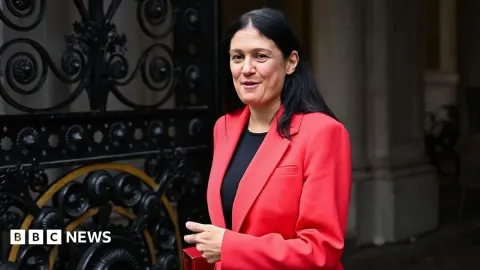
The legal proceedings against comedian Russell Brand at Southwark Crown Court have taken a harrowing turn, with testimony detailing alleged abuse that has reignited global conversations on power dynamics and accountability. The court heard emotional testimony from a witness who described a harrowing encounter during a political conference, painting a picture of a celebrity persona used to mask predatory behavior. While seemingly removed from the world of high finance, such high-profile scandals often serve as a barometer for public sentiment and social stability in the West, influencing the cultural landscape that many in the Iranian diaspora and domestic urban centers follow closely as a marker of Western institutional integrity.
For Iranian observers, these events highlight a broader trend of institutional scrutiny that is currently defining the mid-2020s. As traditional media figures face unprecedented legal challenges, the volatility in public trust often mirrors the jittery movements in global markets. This atmosphere of uncertainty contributes to a general 'risk-off' sentiment, where investors become less certain about social and political stability, indirectly supporting the demand for hard assets and traditional stores of value as psychological hedges against a world that feels increasingly unpredictable.

, CC BY-SA 2.0]
Geopolitical Friction: The US-Ukraine Satellite Rift
A more direct threat to market stability has emerged from the worsening relationship between Washington and Kyiv. President Volodymyr Zelensky has expressed a sense of "betrayal" following reports that access to critical US intelligence and Starlink satellite services has been restricted. This technological throttling comes at a precarious time, as Russian forces intensify strikes on Ukrainian infrastructure. While Donald Trump has publicly denied that the US has stopped sharing intelligence, the ambiguity surrounding the situation has raised serious questions about the long-term commitment of the United States to the conflict, especially as domestic economic pressures mount ahead of the midterms.
This friction is not merely a diplomatic spat; it has profound implications for global energy and commodity routes. Any perceived weakness or shift in the US stance on Ukraine can lead to immediate fluctuations in energy prices and shipping insurance rates. For Iran, these shifts are critical, as they alter the geopolitical calculus of its regional allies and adversaries. The uncertainty surrounding the Starlink row and intelligence sharing creates a vacuum that other powers may seek to fill, further complicating the security architecture of the Middle East and the transit routes that dictate the value of the Toman and regional trade flows.

Market Rotation: Pharma Surges as Tech Fumbles
On the financial front, a significant rotation is underway. Investors are increasingly fleeing high-growth tech stocks, which have been battered by inflation concerns and regulatory headwinds, in favor of "safe haven" sectors like big pharma. Shares of giants such as AbbVie, Eli Lilly, and Gilead Sciences are currently trading near all-time highs. This shift represents a broader defensive posture by global capital, moving away from speculative innovation and toward companies with stable cash flows and essential products. This trend is mirrored in the precious metals market, where the gold ounce is holding firm at $4,157.90, reflecting a lack of confidence in traditional fiat currencies.
In the local Iranian market, this global unease is manifesting in a steady climb for both currency and gold. On Thursday, October 15, 2026 (پنجشنبه ۲۳ مهر ۱۴۰۵), the USD sell rate moved from 265,200 to 266,700, a 0.6% increase within 24 hours. Similarly, the Emami coin rose from 268,000,000 to 270,000,000 (+0.7%), while 18k gold edged up 0.3% to 26,213,121 Toman per gram. These movements suggest that despite local efforts at stabilization, the Iranian market remains highly sensitive to the global retreat from risk, as citizens look to gold and hard currency to protect their purchasing power against a backdrop of international instability.
Regional Energy Risks: The LNG Bottleneck
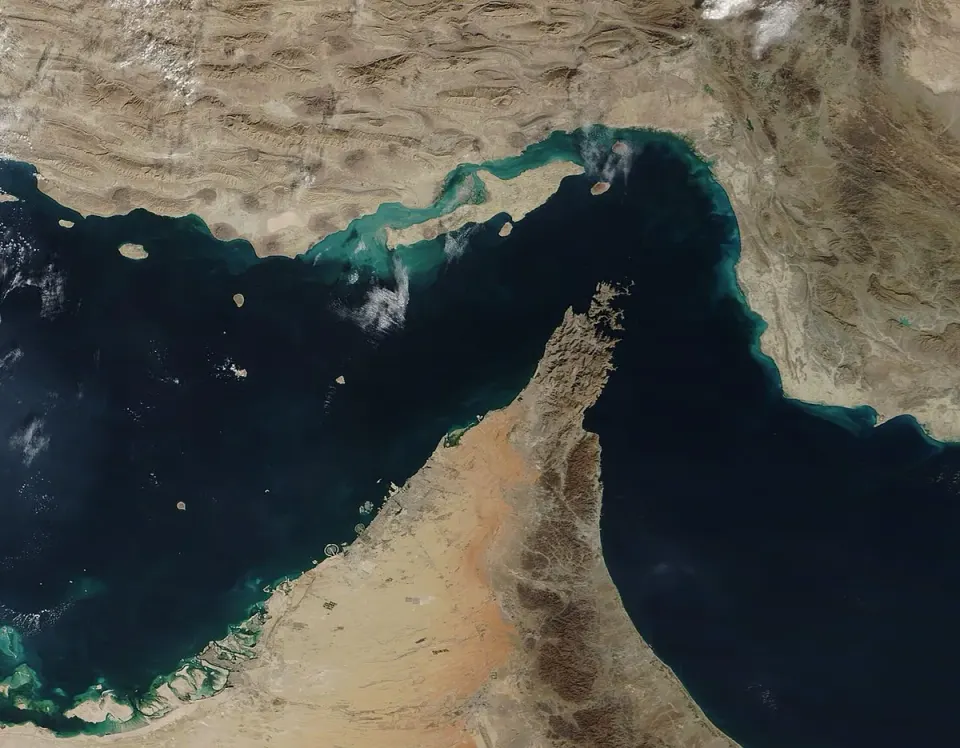
Adding to the regional tension, Pakistan is facing a severe winter gas shortage due to disruptions in the Strait of Hormuz. State-owned importers have warned that LNG flows from Qatar and the UAE are being choked by maritime instability, a situation that directly impacts Iran's neighbors and regional energy dynamics. When energy transit through the Strait is threatened, it creates a ripple effect of economic anxiety that transcends borders. For Iran, any disruption in the Strait is a double-edged sword; while it highlights Tehran's strategic leverage, it also invites increased international naval presence and heightened sanctions scrutiny, both of which put downward pressure on the Toman.
This energy bottleneck, combined with new health concerns such as the second Ebola infection reported in Kenya, adds layers of complexity to the global recovery. Markets are currently balancing the "COLA wars" in the US—where Social Security adjustments are under fire—with these physical supply chain risks. For the average reader, this means that the current rise in the USD/IRR rate is not an isolated event but part of a global tapestry of scarcity, geopolitical repositioning, and a fundamental shift in how the world values security over growth.
Frequently Asked Questions
چرا اختلاف بر سر استارلینک بر قیمت دلار در ایران تأثیر دارد؟
دلیل اقبال سرمایهگذاران جهانی به سهام دارویی چیست؟
آیا بحران گاز پاکستان بر اقتصاد ایران اثرگذار است؟
Currency Devaluation under Sanctions: How Iran’s Rial and Gold Prices React
When a country faces extensive international sanctions, its currency often bears the brunt of the economic shock. In Iran, the rial (IRR) has been losing value against the US dollar at a rapid pace, pushing the official exchange rate toward 266,700 IRR per USD in October 2026. The mechanism behind this devaluation is simple: sanctions restrict Iran’s ability to export oil and access foreign currency, creating a shortage of hard dollars in the market. With fewer dollars available, the rial must depreciate to balance supply and demand, a classic case of a fixed or managed exchange‑rate regime collapsing under external pressure.
The ripple effects extend beyond the foreign‑exchange market. As the rial weakens, Iranians turn to more stable stores of value, notably gold. The price of 18‑karat gold, quoted in toman, has surged, reflecting both inflationary pressures and a hedging instinct among consumers. Gold’s price in local currency can rise dramatically even if its dollar price stays relatively steady, because the denominator (the rial) is falling. This dual‑price dynamic—rising local‑currency gold prices alongside a depreciating rial—creates a feedback loop that fuels further inflation.
Understanding the link between sanctions, currency devaluation, and commodity prices also helps explain why assets like the Emami coin or “big‑pharma” stocks can appear attractive. Investors seek assets that either retain value in foreign currency terms or are insulated from the domestic monetary shock. However, such speculative moves can be risky: a sudden policy shift or a new round of sanctions can accelerate capital flight, pushing the rial even lower and inflating gold prices further.
Policymakers in Iran have tried to mitigate the crisis by adjusting the official exchange rate, imposing capital controls, and promoting “gold‑backed” financial instruments. Yet, without a resolution to the underlying sanctions, the fundamental imbalance—scarcity of hard currency versus domestic demand—remains. For anyone watching the region’s economics, the Iranian case is a vivid illustration of how geopolitical pressures translate directly into everyday prices, from a cup of tea to a gram of gold.
Topics
Related Articles