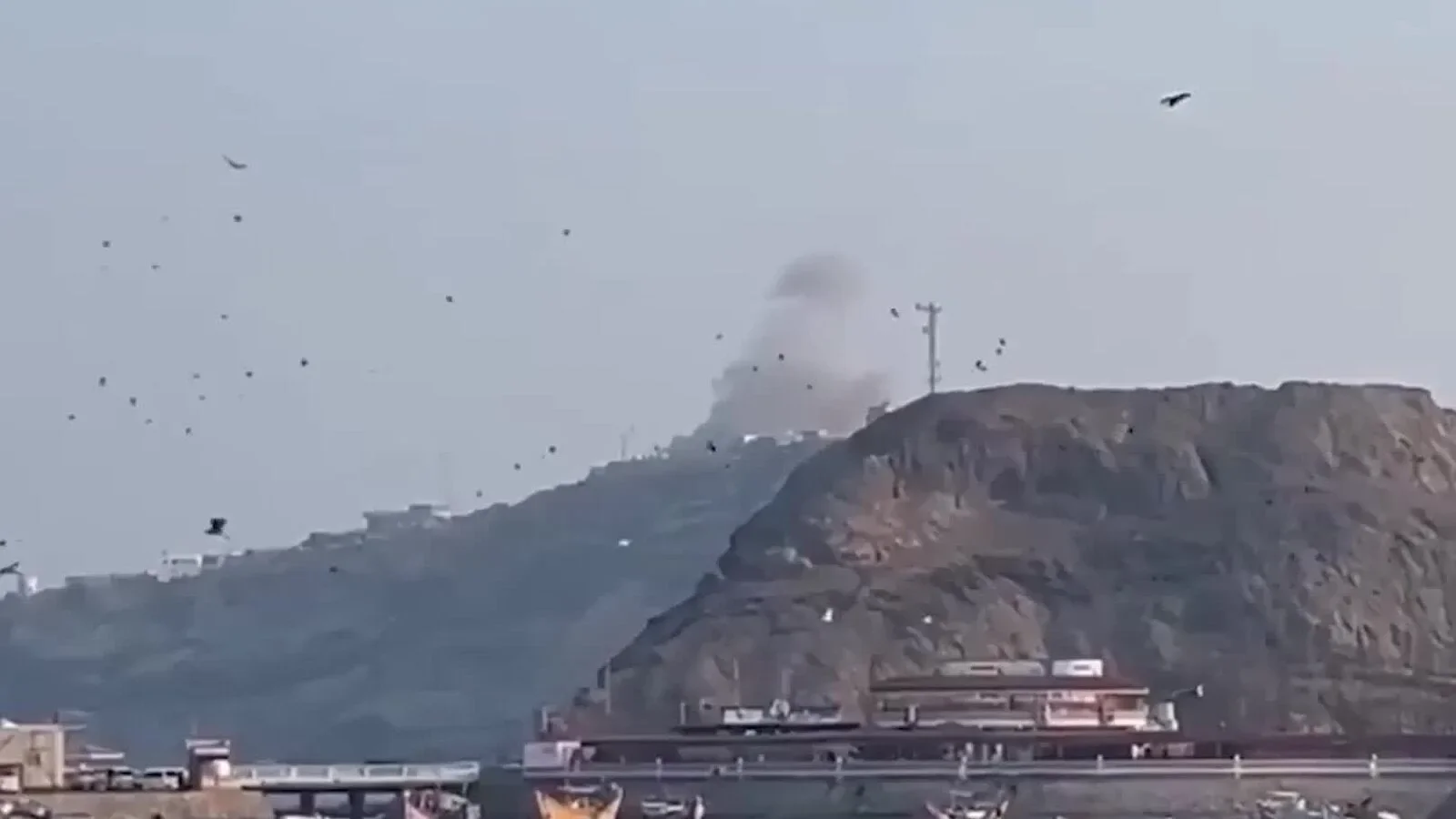
Houthi Strike on Yemen’s Presidential Palace Jolts Markets as Toman Hits 266,700
حمله موشکی حوثیها به کاخ ریاستجمهوری یمن؛ تلاطم در بازارها و صعود دلار به ۲۶۶,۷۰۰ تومان
A deadly missile strike on Aden’s presidential palace has reignited regional tensions, pushing the Toman higher as the 24-hour rate climbed 0.6%. Meanwhile, the IEA has accelerated emergency oil releases to combat the deepening energy crisis in the Strait of Hormuz.
At time of publishing
USD
266,700
Toman
Gold 18K
26.21M
Toman / gram
Bitcoin
$82,375
US Dollar
Tether
266,187
Toman
Regional Escalation: Houthi Missiles Strike Maashiq Palace
In a significant escalation of the conflict in Yemen, Iran-backed Houthi forces launched a missile strike against the Maashiq Presidential Palace in Aden late Thursday. According to Yemeni government officials, the attack resulted in at least two fatalities and several injuries, striking at the heart of the internationally recognized government's seat of power. Saudi Arabian officials were quick to condemn the act, reiterating their stance that Tehran continues to fuel the instability in the region by providing advanced weaponry to the Houthi movement. This strike comes at a time when the region is already on edge due to ongoing maritime tensions, further complicating any diplomatic efforts to secure a lasting ceasefire.
For Iranian observers, this military development has immediate economic repercussions. The shadow of regional conflict has historically been a primary driver of currency volatility in Tehran. Following news of the strike, the USD/IRR rate moved from 265,200 to 266,700, marking a 0.6% increase in just 24 hours. The Emami gold coin also felt the pressure, rising from 268,000,000 to 270,000,000 Toman (+0.7%). Investors are clearly pricing in a higher risk premium as the prospect of a wider regional confrontation looms, suggesting that the Toman may face further downward pressure if the security situation in the Gulf of Aden and the Red Sea does not stabilize quickly.
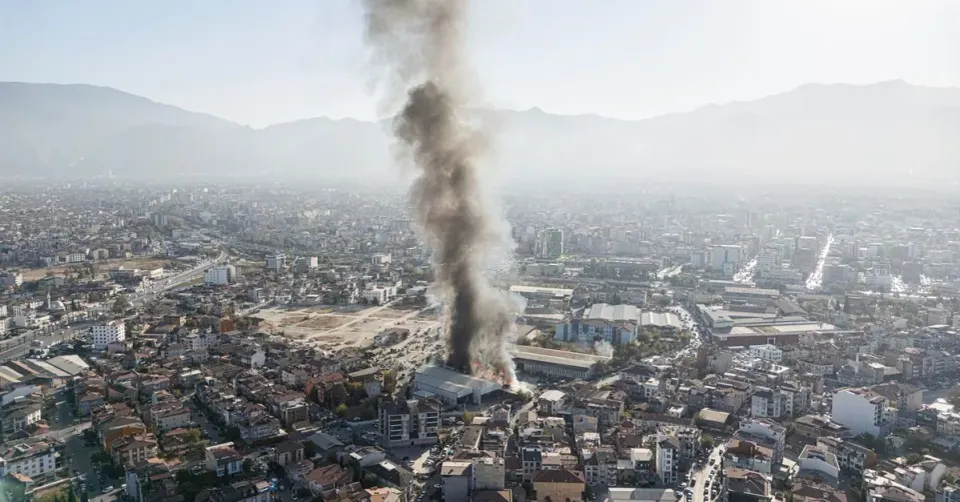
Global Energy Response: IEA Speeds Emergency Diesel Release
The International Energy Agency (IEA) has taken the extraordinary step of accelerating its emergency oil draws, announcing the immediate release of over 20 million barrels of diesel. This move is part of a broader effort to stabilize global energy markets, which have been severely disrupted by the ongoing crisis in the Strait of Hormuz. Total releases under the current emergency plan are now expected to exceed 400 million barrels, a record-breaking intervention that underscores the severity of the supply shock. The IEA noted that while 330 million barrels have already been deployed, the speed of the remaining draw is being increased to prevent a catastrophic spike in fuel prices during the northern hemisphere's high-demand season.
This intervention is a double-edged sword for the Iranian economy. While global price stabilization might ease some inflationary pressures on imported goods, the context of the release—the Hormuz crisis—signifies a tightening noose around regional oil exports. The IEA's decision to focus specifically on diesel suggests a critical shortage of refined products, which could lead to higher shipping and transport costs globally. As long as the Strait of Hormuz remains a flashpoint, the global community's reliance on strategic reserves will continue to be a temporary band-aid on a structural geopolitical wound that directly impacts Iran's primary source of foreign exchange.
Market Fragility: US Election Risks and the AI Trade
While regional conflicts dominate the headlines, global markets are also grappling with internal instability in the United States. Reports have surfaced of suspicious substances being mailed to election offices in Louisiana, Ohio, and Oklahoma, raising fears of domestic unrest ahead of the upcoming midterm elections. This political friction is being mirrored in the financial sector, where analysts are warning that a specific governor’s race could derail the "AI trade" that has been the primary engine of stock market growth over the past year. High-profile AI firms like CoreWeave are seeing increased volatility as investors weigh the potential for new regulatory hurdles or shifts in state-level tech subsidies.
For the crypto market, this environment of uncertainty is creating a complex dynamic. Bitcoin is currently holding support at $82,375, but the momentum that carried it past the $80,000 mark appears to be fading. Some analysts, like Bitwise’s Matt Hougan, argue that Bitcoin remains the ultimate hedge against both an AI boom and a geopolitical bust, yet the immediate reaction to US political instability has been a flight to traditional safe havens like gold. In Iran, 18k gold rose from 26,136,940 to 26,213,121 Toman (+0.3%), reflecting a local preference for physical assets over digital ones when the global political landscape becomes this unpredictable.
Frequently Asked Questions
چرا حمله به کاخ معاشیق عدن باعث افزایش قیمت دلار در ایران شد؟
عرضه اضطراری نفت توسط آژانس بینالمللی انرژی چه تأثیری بر بازار دارد؟
آیا تنشهای سیاسی در آمریکا بر قیمت بیتکوین اثرگذار است؟
The Strategic Chokepoint: Why the Strait of Hormuz Matters for Global Energy Markets
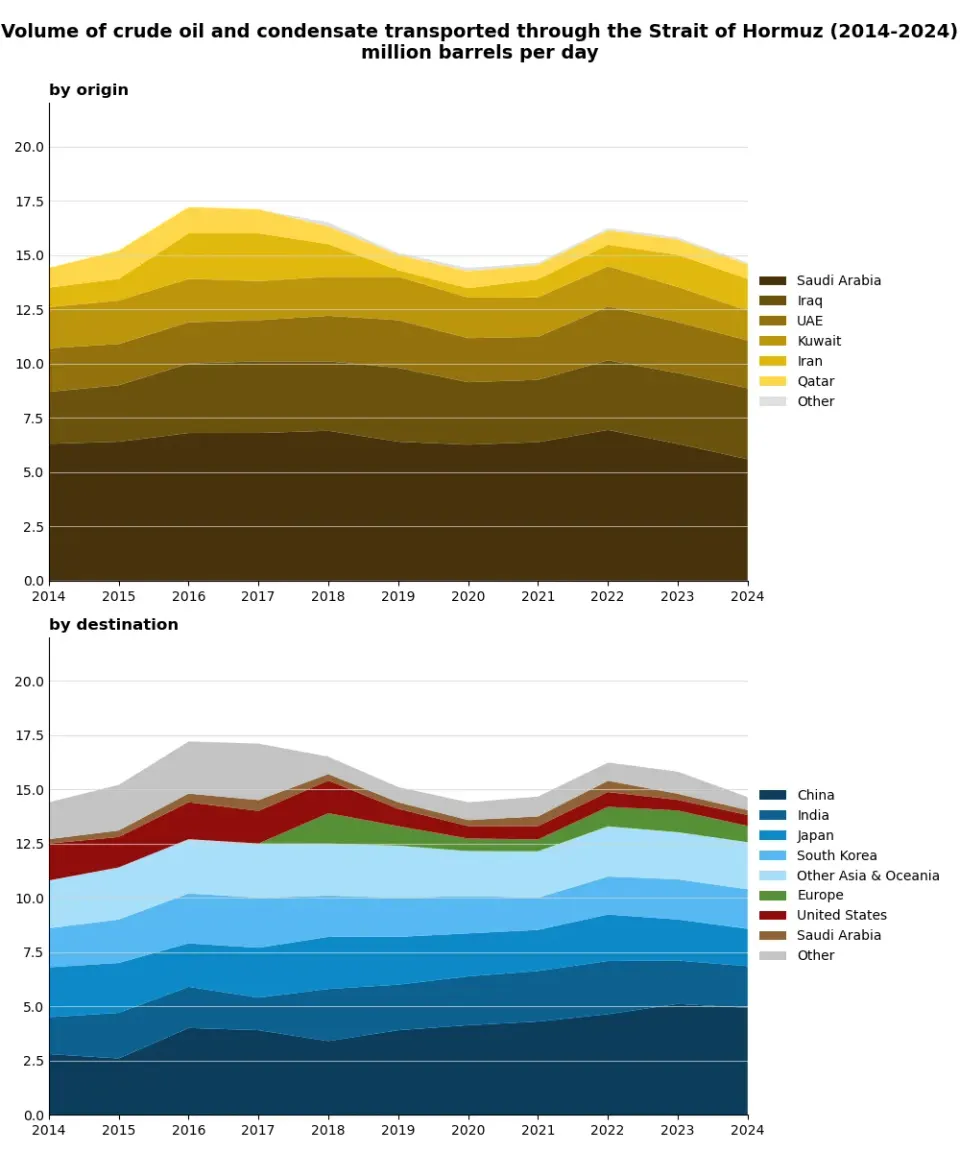
The Strait of Hormuz is a narrow waterway that connects the Persian Gulf with the open ocean, measuring only about 21 nautical miles at its narrowest point. Despite its modest width, it serves as the most critical maritime conduit for crude oil, with roughly 20% of the world’s petroleum passing through its waters each day. This concentration means that any disruption—whether from geopolitical tension, naval incidents, or missile strikes—can ripple through global oil prices, exchange rates, and even the valuation of alternative assets like cryptocurrencies.
Historically, the Strait has been a flashpoint for conflict. During the Iran‑Iraq War in the 1980s, both sides targeted oil tankers, prompting the U.S. to launch Operation Earnest Will to protect shipping. More recently, Houthi rebels in Yemen have fired missiles at vessels transiting the strait, prompting insurers to raise war‑risk premiums and shippers to consider longer, more costly routes. Each incident forces market participants to reassess supply risk, often triggering spikes in spot oil prices and prompting organizations like the International Energy Agency (IEA) to contemplate emergency oil releases to stabilize markets.
The IEA’s emergency oil release mechanism is designed to provide a rapid, temporary boost to global supply when a sudden shock threatens to tighten markets. When the IEA signals a release, member countries can collectively make up to 1.5 million barrels per day of crude available, cushioning price spikes and buying time for diplomatic de‑escalation. However, the effectiveness of such releases depends on the severity and duration of the disruption; a prolonged closure of the Strait could overwhelm even coordinated emergency measures.
For economies heavily reliant on oil imports—such as Iran, whose rial (or toman) often reacts sharply to oil price swings—the stakes are especially high. A sudden rise in oil prices can exacerbate inflation, weaken the national currency, and increase the cost of imported goods, feeding into broader financial instability. Conversely, lower oil prices can provide temporary relief but may also depress government revenues in oil‑dependent states, creating a delicate balancing act for policymakers.
Understanding the strategic importance of the Strait of Hormuz helps explain why a single missile strike can cause a cascade of reactions: from volatile exchange rates like the USD/IRR pair to heightened interest in alternative stores of value such as Bitcoin. It underscores the interconnectedness of geopolitics, energy security, and global finance, reminding investors and citizens alike that a narrow waterway can have outsized influence on the world economy.
Topics
Related Articles