Trump Slams Zelenskyy as 'Energy Ceasefire' Collapses; Tesla Stuns with Flying Roadster
انتقاد تند ترامپ از زلنسکی در پی شکست آتشبس انرژی؛ رونمایی تسلا از خودروی پرنده
Donald Trump has labeled Ukraine's resumption of strikes on Russian refineries a 'disgrace' as his unilateral ceasefire effort fails. Meanwhile, Tesla has defied skeptics by demonstrating a flying Roadster, and Bitcoin has surged back above $82,000 after a brief dip.
At time of publishing
USD
265,700
Toman
Gold 18K
26.17M
Toman / gram
Bitcoin
$81,967
US Dollar
Tether
264,221
Toman
The Collapse of the Unilateral Energy Ceasefire
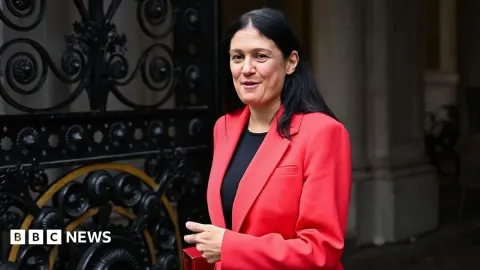
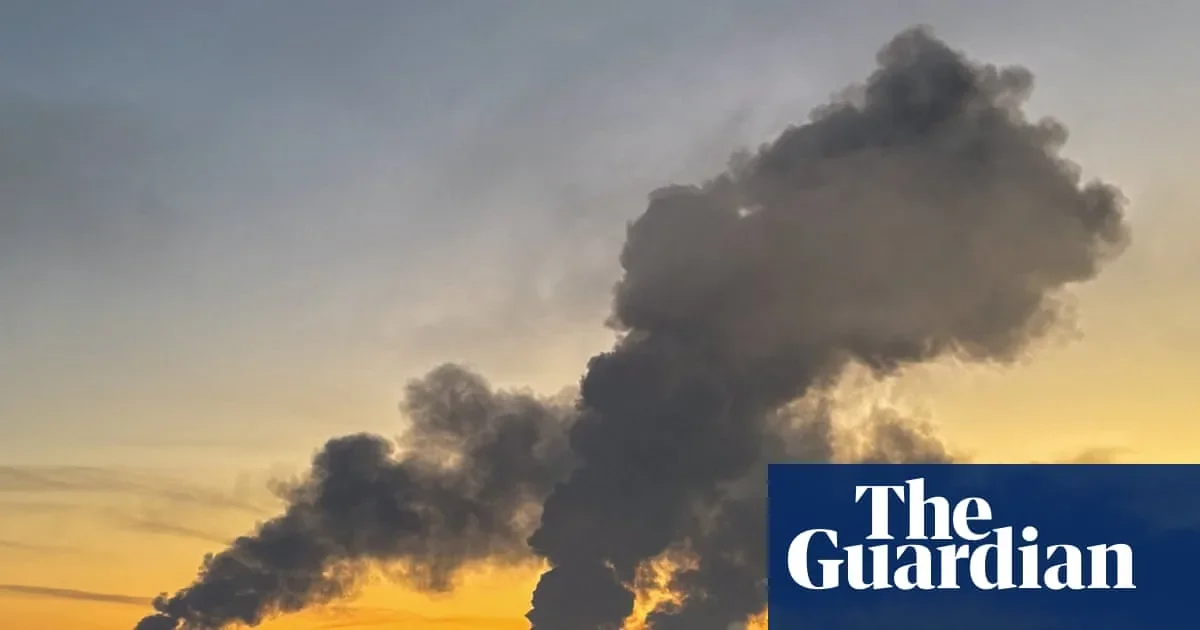
Geopolitical tensions have reached a new boiling point this Friday, October 16, 2026, as the fragile 'energy ceasefire' proposed by Donald Trump has effectively disintegrated. The White House had previously attempted to broker a halt to infrastructure attacks between Moscow and Kyiv, but the deal was fundamentally flawed from the start, as neither the Kremlin nor the Ukrainian presidency had formally agreed to its terms. Over the last 24 hours, the situation escalated when Ukraine launched a precision strike against a major Russian oil refinery in the Ryazan region. This move prompted an immediate and furious response from Donald Trump, who called the resumption of strikes a "disgrace" and claimed that Volodymyr Zelenskyy is becoming "more difficult to deal with than Putin."
For global markets, this collapse is more than just a diplomatic failure; it is a direct threat to the global energy supply chain. Russia responded to the refinery strike by launching a record swarm of drones targeting central Ukrainian infrastructure, signaling that the winter energy war is back in full force. Oil prices have reacted with heightened volatility, with Brent crude trading near $106 per barrel. Analysts warn that if Ukraine continues to successfully degrade Russian refining capacity, the resulting shortage in diesel and refined products will persist well into 2027, further fueling global inflation and complicating the economic outlook for the coming year.

Tesla’s Flying Roadster: Engineering Flex or Future Transport?
In a move that feels ripped from the pages of science fiction, Elon Musk and Tesla have finally delivered on the long-standing promise of a flying car. During a high-profile demonstration in Waco, Texas, the next-generation Tesla Roadster utilized SpaceX-derived cold-gas thrusters to leap over other Tesla vehicles, drive upside down on a specialized track, and accelerate from 0 to 60 mph in less than one second. The demonstration was designed to showcase Tesla's engineering dominance over traditional automakers, who are still struggling to master basic electric vehicle mass production while Tesla moves into the realm of aerial mobility.
However, the financial community remains divided on what this means for Tesla’s bottom line. While the "flying car" is undoubtedly an engineering marvel, critics argue it has limited commercial value and serves primarily as a marketing tool to distract from broader challenges in the EV market. Nevertheless, the spectacle has successfully captured the public's imagination, proving that Tesla still possesses the ability to disrupt the narrative through sheer technological audacity. For investors, the focus remains on whether these innovations can be scaled into profitable, mass-market products or if they will remain expensive toys for the ultra-wealthy.

Bitcoin’s Resilient Rebound and the UK’s Cultural Crackdown
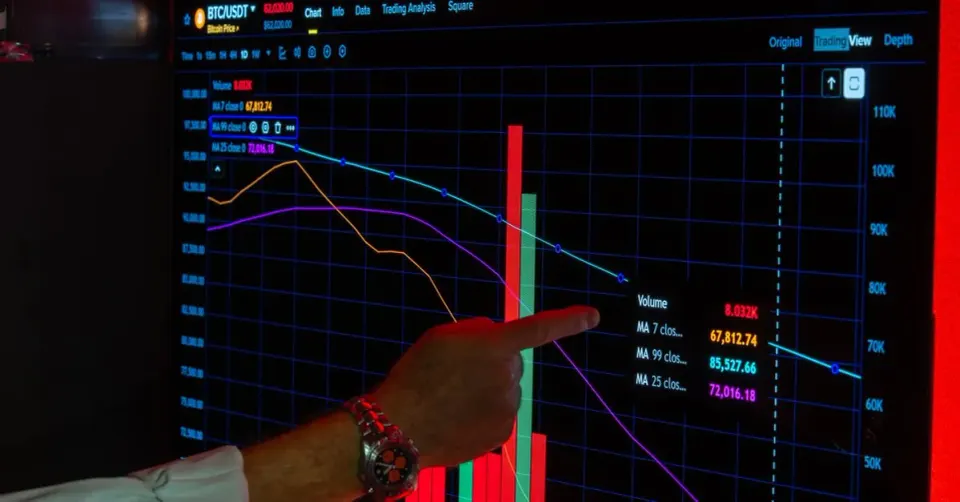
In the financial markets, Bitcoin demonstrated remarkable resilience after a brief scare. The flagship cryptocurrency dipped below the $80,000 mark early this morning, only to be met with massive buying pressure that propelled it back to $82,500 within just two hours. This "buy the dip" mentality was bolstered by a rebound in Asian stock markets, particularly among South Korean chipmakers. The rapid recovery suggests that institutional appetite for Bitcoin remains strong, even as the market navigates the volatility associated with the collapsing energy ceasefire in Eastern Europe and shifting regulatory landscapes in the West.
Meanwhile, a unique legal and cultural crisis is unfolding in the United Kingdom. Bookstores across the country are scrambling as novels by critically acclaimed author Sally Rooney are being pulled from shelves. This follows Rooney’s public support for Palestine Action, a group that has been proscribed by the British government for its direct action against military assets linked to Israel. Under current UK law, expressing support for a proscribed group can carry a prison sentence of up to 14 years. This crackdown highlights the increasing intersection of geopolitics, domestic law, and cultural expression, leaving retailers in a precarious position as they navigate government mandates and public sentiment.
Regional Outlook: Pezeshkian in Armenia and Domestic Markets
Closer to home, President Masoud Pezeshkian has arrived in Yerevan, Armenia, to participate in the 17th Conference of the Parties to the Convention on Biological Diversity. While the official agenda focuses on environmental cooperation, the visit provides a backdrop for regional diplomacy as Iran continues to navigate its complex relationship with its northern neighbors. In the domestic markets, the Iranian Toman saw a slight appreciation against the US Dollar. The USD sell rate moved from 266,700 to 265,700, representing a minor decrease of 0.4%. Gold prices followed a similar downward trend, with 18k gold dropping 0.2% to 26,166,951 Toman per gram, while the Emami coin remained stable at 270 million Toman.
Frequently Asked Questions
Why did Donald Trump call the Ukraine strikes a disgrace?
Can the new Tesla Roadster actually fly?
Why are Sally Rooney's books being removed from UK stores?
What caused Bitcoin to bounce back from $80,000?
Understanding the Brent Crude Oil Benchmark
Brent crude oil is the most widely used price reference for crude oil traded around the world. Originating from the North Sea fields off the coasts of the United Kingdom and Norway, the term "Brent" now refers to a blend of several light, sweet crude grades that are extracted from the region. Because these grades are relatively low‑density and low‑sulfur, they are easy to refine into gasoline and diesel, making them a natural choice for a global pricing standard.
The benchmark works through a system of daily price assessments published by market data providers such as ICE (Intercontinental Exchange) and Platts. Traders, producers, and governments watch the published Brent price to gauge market sentiment, negotiate contracts, and set the terms of futures and options. When a contract is settled, the price paid reflects the consensus view of supply and demand for this particular blend, even though the oil physically delivered may come from elsewhere.
Geopolitical events—like tensions in the Middle East, sanctions on major producers, or diplomatic breakthroughs such as the Iran‑Armenia talks—can cause rapid swings in the Brent price. Because Brent is priced in U.S. dollars, any shift in the dollar’s value also reverberates through the benchmark, influencing everything from gasoline costs at the pump to the profitability of renewable energy projects. This is why the "global energy crisis" often manifests as a sharp rise or fall in Brent prices.
Investors and policymakers watch Brent not just for its immediate price signal but also for the broader macro‑economic implications. A sustained rise can signal tightening global oil supplies, prompting central banks to consider inflationary pressures, while a steep decline may indicate weakening demand, potentially leading to slower economic growth. Understanding Brent’s role therefore equips anyone interested in energy markets, finance, or international relations with a clearer lens on how the world’s energy system functions.