Iran's Economy Minister Pushes for Faster Project Resolution Amidst Global Uncertainty
وزیر اقتصاد ایران خواستار تسریع در پروژههای بانک توسعه اسلامی شد
Iran's Economy Minister has called for accelerated progress on projects funded by the Islamic Development Bank, highlighting the need to overcome existing obstacles. This comes as global markets remain on edge due to geopolitical tensions and fluctuating energy prices, with Bitcoin also showing volatility.
At time of publishing
USD
264,100
Toman
Gold 18K
26.10M
Toman / gram
Bitcoin
$81,554
US Dollar
Tether
263,078
Toman
Economy Minister Urges Swift Action on Development Bank Projects
Iran's Minister of Economic Affairs and Finance, Ali Madanizadeh, has issued a directive emphasizing the urgent need to expedite the resolution of approved projects backed by the Islamic Development Bank (IsDB). The minister stressed the importance of removing existing executive obstacles that hinder progress and called for the full utilization of the IsDB's financing capacities to ensure the completion of the country's priority projects. This push for faster project execution signals a government focus on economic development and infrastructure, likely aimed at stimulating domestic growth and potentially mitigating the impact of international sanctions.
The directive also implicitly acknowledges the challenges faced in implementing these projects, suggesting that bureaucratic hurdles or funding complexities have been significant. By calling for quicker action, the government appears to be signaling a desire to improve the efficiency of project management and to unlock the economic benefits these initiatives are intended to provide. For Iranian citizens, the successful and timely completion of these projects could translate into job creation, improved public services, and a more stable economic environment, though the immediate impact on currency and market stability remains to be seen.

---
Global Markets on Edge Amidst Geopolitical Crosscurrents
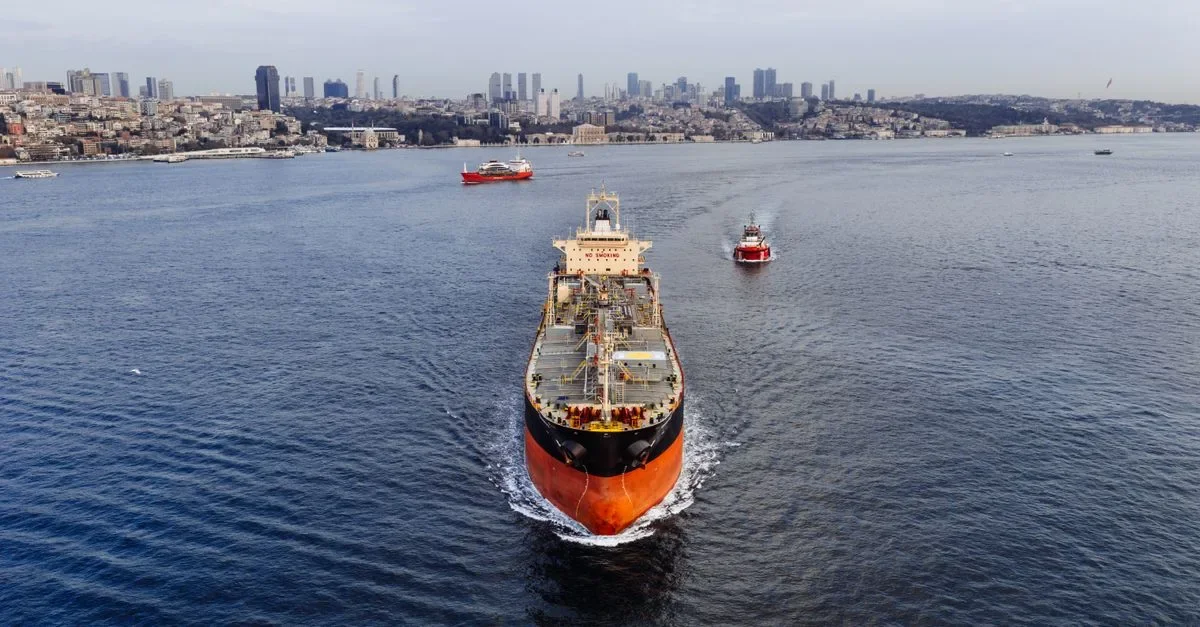
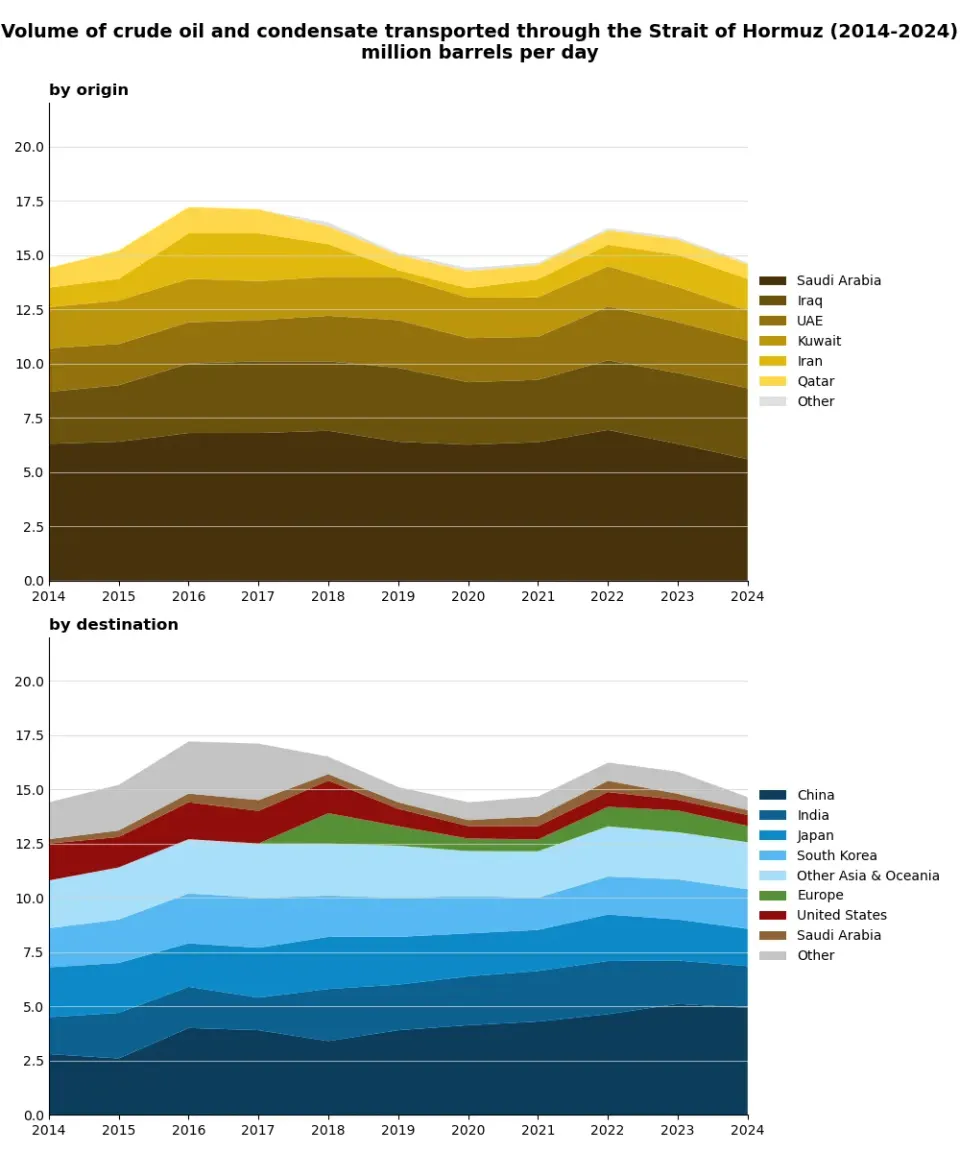
Global markets are experiencing a period of heightened caution, with oil prices holding steady around $105 per barrel for Brent crude. This stability, however, is underpinned by significant geopolitical risks, including ongoing tensions in the Strait of Hormuz and various international conflicts. While production disruptions from events like Hurricane Isaias have largely subsided, the persistent threat of attacks on Iranian tankers and drone activity in critical shipping lanes are keeping the market on a knife's edge. This delicate balance means any escalation in regional conflicts could rapidly destabilize oil prices, with ripple effects felt worldwide.
In the cryptocurrency space, Bitcoin has seen some stabilization, hovering around the $82,000 mark. This comes after a period of volatility, with traders closely watching signals from the Federal Reserve. Remarks from Fed officials, such as Kevin Warsh, have suggested a cautious approach to interest rate hikes, providing some relief to the market. However, technical indicators present mixed signals, and prediction markets are sending conflicting messages about the future direction of Bitcoin. The broader crypto industry also faces challenges, including costly AI expansion for Bitcoin miners and potential accounting rule changes that could impact stablecoins.
---
Equatorial Guinea's Economic Crisis and Shifting Oil Landscape
Equatorial Guinea is set to implement a new hydrocarbon law following a drastic 85% collapse in its crude oil production. The nation's output has plummeted to merely 20,000 barrels per day in September, a stark contrast to the approximately 140,000 barrels per day it produced in 2020. This significant decline has reduced the OPEC member, already the smallest producer in the bloc, to a fraction of its former capacity. Consequently, the International Monetary Fund (IMF) forecasts a 1.7% contraction in the country's economy this year, underscoring the severe impact of this production downturn.
The revised oil law, as explained by Hydrocarbons Minister Antonio Oburu Ondo, aims to introduce greater flexibility into contractual terms for oil companies. It will offer a wider array of contractual structures tailored to the risk appetite of potential investors. This move is a clear indication of the government's desperation to attract new investment and revive its crucial oil sector. The success of this new law will be critical for Equatorial Guinea's economic recovery, as hydrocarbons remain the backbone of its economy, and the current situation poses a significant threat to national revenue and stability.
---
Europe's Political Tensions and AI's Economic Foreboding
Ukrainian President Volodymyr Zelensky has intensified his criticism of former US President Donald Trump, particularly regarding a recent diesel deal with Russia. Zelensky hailed European leaders as "real leaders" and expressed a desire for greater involvement from European allies in peace negotiations, labeling Russia's current stance as a "parody" of such talks. This diplomatic friction highlights the complex geopolitical landscape surrounding the conflict in Ukraine, with differing approaches from key international players. Furthermore, disruptions to the SpaceX Starshield satellite system continue to affect Ukraine's operations, adding another layer of complexity to the ongoing conflict.
Meanwhile, the International Monetary Fund (IMF) has issued a stark warning about the potential economic ramifications of widespread Artificial Intelligence (AI) adoption. Kristalina Georgieva, the IMF's Managing Director, alerted finance ministers that AI could significantly erode global tax bases as incomes are increasingly impacted by the technology. Governments may find themselves ill-prepared for a potential slump in tax revenue due to AI's transformative effect on the labor market. Georgieva described AI as a "slow-moving tsunami" with the potential to reshape economies and public finances in ways that require proactive governmental planning and adaptation.
Frequently Asked Questions
What is the current exchange rate for USD to IRR?
What is the current price of Bitcoin?
Why is Equatorial Guinea's oil production collapsing?
What is the IMF's concern regarding AI?
What are the main geopolitical tensions affecting oil prices?
Understanding Oil Price Volatility and Its Impact on Exporting Economies
Oil price volatility refers to the rapid and often unpredictable fluctuations in the global market price of crude oil. As a fundamental commodity, oil's price is a critical determinant of economic health worldwide, but its instability poses unique challenges, particularly for nations heavily reliant on oil exports for their national income. These swings can be dramatic, moving from record highs to significant lows within short periods, driven by a complex interplay of factors.
The causes of oil price volatility are multifaceted. Supply-side factors include geopolitical tensions in major producing regions, decisions by OPEC+ to adjust production quotas, and disruptions from natural disasters or conflicts. On the demand side, global economic growth forecasts, industrial activity, and consumer behavior significantly influence consumption levels. Additionally, speculative trading in futures markets can amplify price movements, detaching them somewhat from immediate supply-demand fundamentals. The interplay of these forces creates an inherently unpredictable market environment.
For oil-exporting economies, this volatility has profound implications. Government budgets, which often depend heavily on oil revenues, become highly susceptible to price swings, making long-term planning and public spending commitments precarious. A sharp drop in prices can lead to budget deficits, necessitate austerity measures, and delay or halt critical infrastructure projects. Conversely, price surges can lead to temporary booms but also risk "Dutch Disease," where other sectors of the economy are neglected. This instability can also affect currency values, inflation rates, and investor confidence, hindering economic diversification efforts and sustainable development.