
Uganda Ebola Trial Sparks Global Health Watch; Markets Eye Fed Uncertainty
آزمایش واکسن ابولا در اوگاندا، زنگ خطر بهداشت جهانی را به صدا درآورد؛ بازارها منتظر فدرال رزرو
Uganda has launched a crucial Phase 1 trial for an Ebola vaccine candidate targeting the Bundibugyo strain, a move that underscores the ongoing threat of infectious diseases globally. Meanwhile, market watchers are increasingly focused on the U.S. Federal Reserve's upcoming interest-rate decision, with speculation mounting that it could be a closer call than previously anticipated.
At time of publishing
USD
263,300
Toman
Gold 18K
26.21M
Toman / gram
Bitcoin
$81,483
US Dollar
Tether
263,348
Toman
Uganda Launches Ebola Vaccine Trial Amidst Global Health Concerns
Uganda has initiated a Phase 1 clinical trial for a vaccine candidate designed to combat the Bundibugyo strain of the Ebola virus in the town of Masaka. This development is particularly significant as there are currently no approved treatments or vaccines specifically for this particular strain of the virus, which has been circulating in the region. The trial marks a critical step in the global effort to develop countermeasures against emerging infectious diseases, a threat that remains ever-present.
The launch of the trial underscores the persistent challenges in global public health, especially in regions vulnerable to outbreaks. While the Bundibugyo strain may not be as widely known as some others, its presence necessitates swift action to prevent potential widespread transmission. The success of this trial could pave the way for broader vaccination campaigns and offer a much-needed tool in the arsenal against future Ebola outbreaks. For Iran, and indeed the wider region, such developments highlight the interconnectedness of global health security and the importance of preparedness, even when the immediate threat seems distant. Advances in vaccine technology and trial processes can offer lessons applicable to regional health initiatives and international cooperation on disease control, indirectly impacting trade confidence and travel advisories.

---
Fed Rate Decision Hangs in the Balance as Market Leadership Shifts
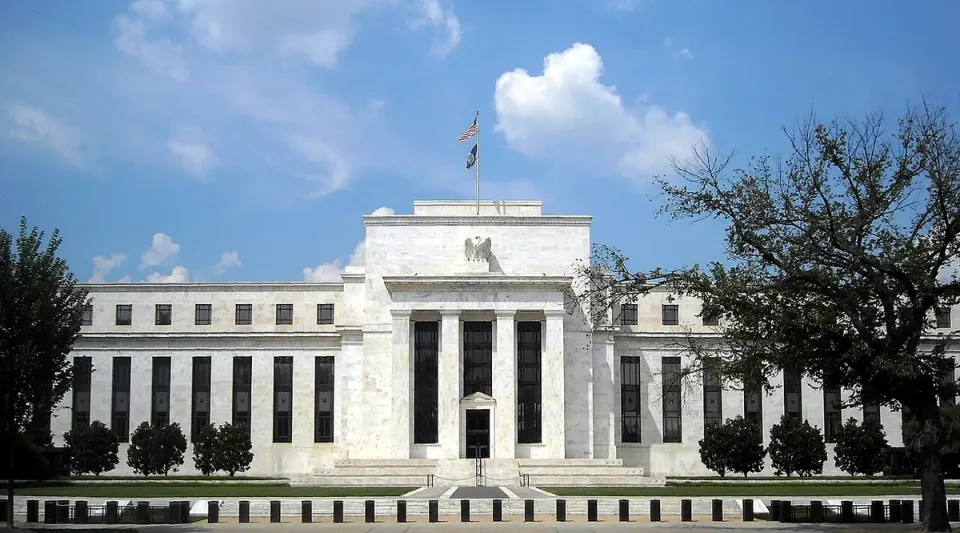
Markets are abuzz with speculation surrounding the U.S. Federal Reserve's upcoming interest-rate decision, with consensus suggesting it may be a far tighter call than previously anticipated. While many expected a straightforward continuation of policy, a closer examination of economic indicators and internal Fed discussions reveals a more nuanced landscape. Arguments against a rate hike are gaining traction, suggesting that the central bank might be facing a more complex decision-making process than the market has been pricing in.
This uncertainty is occurring against a backdrop of shifting market leadership. The tech sector, which has dominated market performance for an extended period, has experienced its worst week in over a year and a half. In contrast, an equal-weighted version of the S&P 500 has managed to secure a second consecutive weekly advance, indicating a broader base of market strength. This rotation away from mega-cap tech stocks towards a more diversified set of companies could signal a maturing market cycle or a response to changing economic conditions. For investors and policymakers in Iran, these global market dynamics have direct implications. Fluctuations in U.S. interest rates can influence global capital flows, potentially affecting the value of the Iranian Toman against major currencies and impacting the price of gold and cryptocurrencies. A shift in market leadership can also affect investor sentiment and risk appetite, indirectly influencing foreign investment trends and domestic market confidence.
---
Historical Plaque Theft Highlights Enduring Racial Tensions
A recent theft from Portchester Castle in Hampshire has brought to light the deeply rooted issues of racism, as a plaque detailing the story of African-Caribbean prisoners in 18th-century Britain was stolen within days of its installation. Descendants of these prisoners, some of whom travelled from Belize, have expressed that the theft reflects the persistent spirit of racism that has historically impacted Black and Indigenous Caribbean communities across generations.
The plaque commemorated the arrival of 2,500 African-Caribbean men, women, and children who were transported to Britain as prisoners of war in 1796. The theft, occurring so swiftly after the plaque’s placement, serves as a stark reminder of ongoing racial prejudice. While this event is geographically distant from Iran, it speaks to universal themes of historical injustice and the struggle for recognition. For international relations and global market sentiment, such incidents, though seemingly localized, contribute to a broader narrative of societal challenges and can subtly influence perceptions of stability and human rights, which are factors in global investment decisions and diplomatic relations. The incident in Britain, while concerning, also echoes broader global discussions about historical accountability and the fight against systemic discrimination, a conversation that resonates in various forms across the world, including within the Middle East.

Watch
Uganda launches Ebola vaccine trial • FRANCE 24 English
FRANCE 24 English
Frequently Asked Questions
What is the significance of the Ebola vaccine trial in Uganda?
Why is the U.S. Federal Reserve's interest-rate decision considered a 'closer call'?
What does the shift in market leadership mean?
What is the connection between the historical plaque theft and broader global issues?
Understanding the Federal Reserve's Monetary Policy and its Impact on Growth Stocks
The headline mentions "Markets Eye Fed Uncertainty" and "Interest Rates," pointing to the crucial role of the Federal Reserve's monetary policy. The Federal Reserve, the central bank of the United States, has a dual mandate: to maintain maximum sustainable employment and stable prices. To achieve these goals, it employs various tools, most notably adjusting the federal funds rate, which influences interest rates throughout the economy. When the Fed raises interest rates, it generally aims to cool down an overheating economy and combat inflation by making borrowing more expensive, thereby reducing spending and investment.
This shift in interest rates has a profound and often disproportionate impact on different sectors of the stock market. Higher interest rates increase the cost of capital for companies, making it more expensive for them to borrow money for expansion or operations. More importantly, they affect how investors value future earnings. When interest rates rise, the present value of future cash flows decreases (a process known as discounting), making companies whose profitability is heavily weighted towards the distant future appear less attractive.
Growth stocks, particularly those in the technology sector, are exceptionally sensitive to these interest rate changes. Many tech companies are valued based on their potential for rapid future growth, often at the expense of current profitability. They frequently rely on borrowed capital to fund aggressive expansion, research, and development. Therefore, an increase in borrowing costs directly impacts their business model. Furthermore, because a larger portion of their expected earnings lies far in the future, their valuations are more heavily impacted by the discount rate used to calculate their present value.
Conversely, when interest rates are low, the cost of capital is cheap, and future earnings are discounted less aggressively, making growth stocks highly attractive. This explains why periods of rising interest rates often lead to a "market shift" where investors rotate out of high-growth, long-duration assets like tech stocks and into more stable, value-oriented companies or those with strong current cash flows that are less sensitive to future discounting. Understanding this dynamic is key to comprehending broader market movements in response to central bank actions.
Topics
Related Articles