UAE-Saudi Pact in Yemen Sparks Regional Shift as Toman Gains Ground at 16:00
اتحاد مجدد امارات و عربستان در یمن؛ بازگشت تنش به منطقه و عقبنشینی دلار در بازار تهران
The United Arab Emirates and Saudi Arabia have reportedly mended their rift to counter Houthi advances in Yemen, signaling a major escalation in the regional proxy war. Meanwhile, the Iranian Toman showed resilience today, with the USD falling 0.8% to 263,000 as diplomatic efforts intensify in Baghdad.
At time of publishing
USD
263,000
Toman
Gold 18K
26.24M
Toman / gram
Bitcoin
$81,436
US Dollar
Tether
263,095.773
Toman
The UAE and Saudi Arabia Re-Enter the Yemen Fray
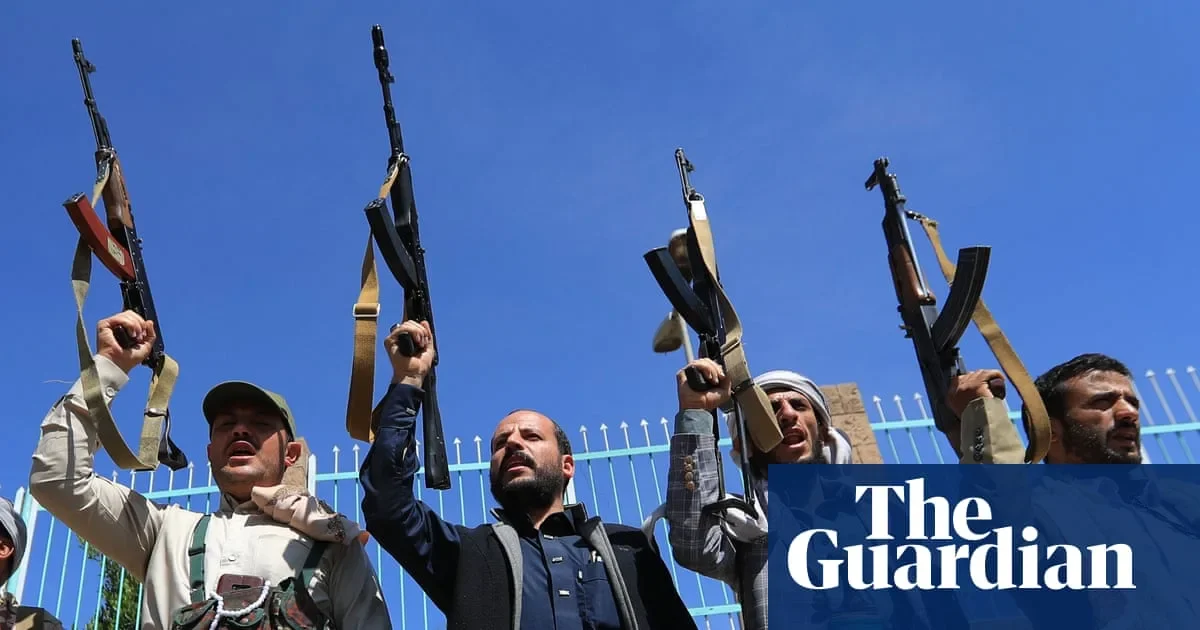
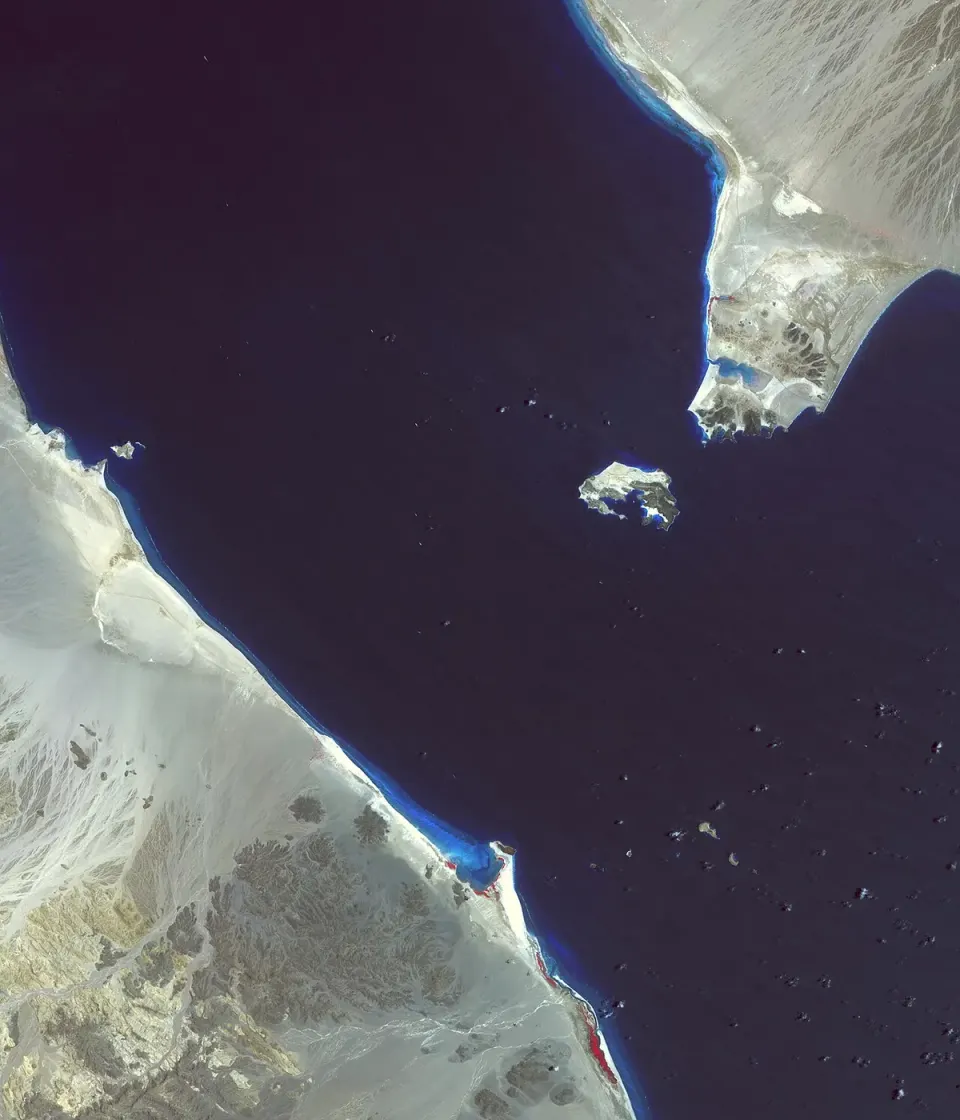
In a significant geopolitical pivot, the United Arab Emirates has reportedly reached an agreement with Saudi Arabia to re-engage in the Yemen conflict. This move comes as a response to recent strategic gains by the Iran-aligned Houthi movement, which have alarmed Gulf monarchs and threatened to destabilize the southern Arabian Peninsula further. According to reports, the UAE will resume financial support to various anti-Houthi government forces, while Saudi Arabia has committed to providing the necessary air cover for these operations. This reconciliation marks the end of a multi-year rift between Abu Dhabi and Riyadh over the long-term vision for Yemen's governance and territorial integrity.
The implications of this renewed alliance are profound for regional security. By pooling resources again, the two Gulf powers aim to halt the Houthi momentum that has seen the group expand its influence beyond its northern strongholds. For Iran, this development represents a direct challenge to its regional 'Axis of Resistance.' The escalation suggests that the brief period of relative de-escalation in Yemen may be coming to an end, potentially reigniting high-intensity warfare in a region already stressed by maritime attacks in the Red Sea. Observers note that this shift could also impact the broader diplomatic normalization efforts that had been slowly progressing across the Middle East.
Toman Resilience Amid Regional Volatility
Despite the brewing storm in Yemen, the Iranian currency markets displayed a surprising degree of calm during today's session on Saturday, October 17, 2026. The USD sell rate moved from 265,000 to 263,000 Toman, marking a 0.8% decrease over the last 24 hours. Similarly, the Emami gold coin saw a more pronounced drop, falling from 270,000,000 to 267,000,000 Toman, a 1.1% decline. This downward trend in hard currency and gold suggests that local traders may be pricing in the potential for a diplomatic breakthrough at the ongoing Organization of Islamic Cooperation (OIC) meeting in Baghdad, where Foreign Minister Abbas Araghchi is currently active.
However, the market remains on a knife-edge. While the Toman strengthened slightly today, the underlying economic pressures of inflation and international isolation continue to weigh heavily on the public's purchasing power. The slight rise in 18k gold prices, which moved from 26,213,121 to 26,243,132 Toman (+0.1%), indicates that some investors are still seeking the safety of bullion as a hedge against long-term instability. The divergence between the currency and gold markets reflects a complex psychological landscape where short-term diplomatic optimism battles long-term structural economic fears.

Global Markets: AI Earnings and Diplomatic Maneuvers
On the international front, Wall Street is shifting its focus toward the upcoming earnings season, with tech giants like Microsoft and Shopify highlighted as key indicators for the AI sector's health. Analysts are looking for concrete evidence that the massive investments in artificial intelligence are finally translating into sustainable revenue growth. This global tech optimism provides a stark contrast to the geopolitical tensions in the Middle East, illustrating a bifurcated world where digital innovation continues at a frantic pace even as traditional territorial conflicts intensify. For Iranian tech observers, these global trends remain largely out of reach due to sanctions, yet they dictate the broader movements of global capital and the strength of the US dollar.
Back in the region, Iran's diplomatic machinery is working to counter the narrative of isolation. In Baghdad, Abbas Araghchi met with Libya's top diplomat to discuss bilateral ties, while the country also announced the opening of its third Specialized School of Standards in the Nuclear Industry. This move, spearheaded by Mohammad Eslami of the AEOI, is a clear signal that Tehran intends to continue institutionalizing its nuclear program despite ongoing Western scrutiny. By focusing on "standards" and "education," the government attempts to frame its nuclear activities as a routine industrial pursuit, even as the regional military temperature rises following the UAE-Saudi pact.

Social and Geopolitical Tensions Elsewhere
While the Middle East dominates the headlines, other parts of the world are facing their own crises. In China, a nursery owner was sentenced to life in prison after a horrific mass poisoning of hundreds of children using inedible paint—a story that has sparked national outrage over food safety and regulatory failures. In the West, France is witnessing a convergence of student protests and broader movements against the rising cost of living. These events serve as a reminder that the pressure of inflation and social inequality is a global phenomenon, not limited to sanctioned economies like Iran's. For the Iranian reader, seeing similar economic frustrations in Europe provides a grim context for the domestic struggles with the Toman's value and the price of basic goods.
Frequently Asked Questions
چرا اتحاد دوباره امارات و عربستان در یمن برای بازار ایران مهم است؟
دلیل کاهش قیمت دلار در روز جاری چه بود؟
آیا بازگشت امارات به جنگ یمن قطعی است؟
The Toman and its Geopolitical Drivers
While the official currency of Iran is the Rial, the term "Toman" is widely used in everyday transactions and financial discussions. One Toman is equivalent to ten Rials. The Toman's exchange rate against major foreign currencies like the U.S. Dollar serves as a crucial barometer of Iran's economic health and stability, reflecting not just internal economic policies but also the profound impact of external geopolitical forces.
Iran's economy is heavily influenced by international sanctions, global oil prices, and its diplomatic relations. Consequently, any significant development on the geopolitical stage — whether it's a regional conflict, a new international pact, or shifts in foreign policy — can trigger immediate and often dramatic fluctuations in the Toman's value. For instance, news of diplomatic breakthroughs or potential easing of sanctions typically strengthens the Toman, as it signals increased trade prospects and access to international markets. Conversely, heightened tensions or the imposition of new sanctions often lead to a weakening of the currency, driven by market fears of reduced oil revenues and restricted foreign exchange access.
The headline's mention of a "UAE-Saudi Pact in Yemen" and a "regional shift" gaining the Toman ground highlights this sensitivity. Such a pact could be perceived by markets as a step towards regional de-escalation or stability, potentially reducing political risk for Iran and opening avenues for indirect economic benefits or reduced regional pressures. This perception, even if not immediately translating into direct economic changes, can significantly influence investor confidence and currency speculation, leading to a strengthening of the Toman as reported.
Understanding the Toman's movements, therefore, requires looking beyond purely domestic economic indicators. It necessitates a keen awareness of the intricate web of regional politics, international diplomacy, and the global energy market, all of which play a pivotal role in shaping the economic realities and currency valuations in Iran.