Stampede Tragedy in India, West Bank Tensions Rise, Iran Inaugurates Projects
تراژدی ازدحام در هند، تنشها در کرانه باختری، افتتاح پروژههای آموزشی در ایران
A stampede at a religious event in India has claimed at least 17 lives, while tensions escalate in the West Bank with settler violence targeting Palestinians and European officials. Meanwhile, Iran's President inaugurated new educational projects, and the Iranian Army affirmed its readiness against threats.
At time of publishing
USD
261,000
Toman
Gold 18K
25.80M
Toman / gram
Bitcoin
$81,620
US Dollar
Tether
260,957.606
Toman
Stampede Claims 17 Lives at Indian Religious Event
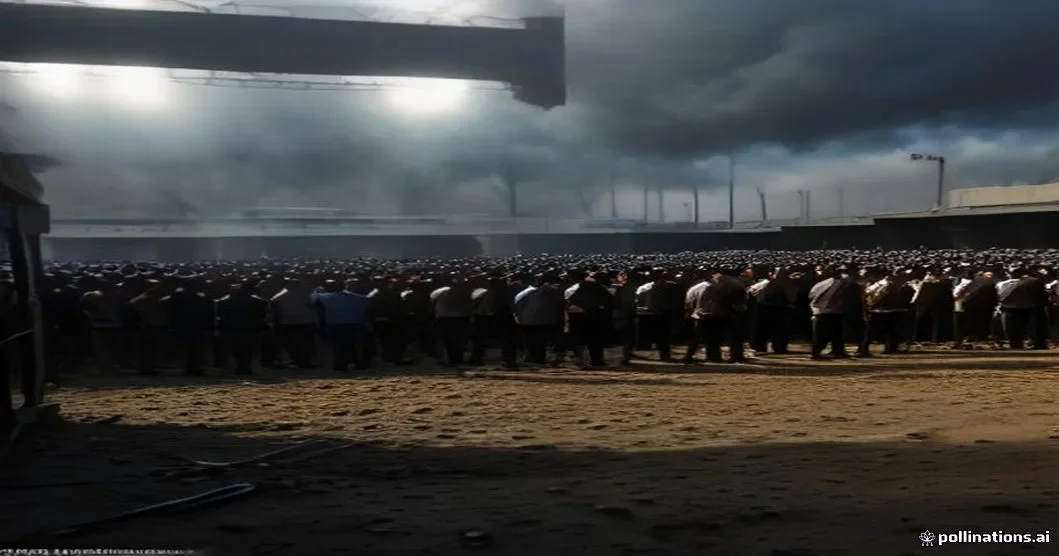
A tragic stampede at a religious gathering in India has resulted in the deaths of at least 17 people, with dozens more sustaining injuries. The incident occurred amidst a large congregation, though the specific cause of the deadly crush remains unclear. Indian authorities have detained the event's organizer and other individuals involved in its management, signaling a move towards accountability.
Such mass casualty events, unfortunately, are not uncommon in India, often attributed to overwhelming crowds at festivals and religious ceremonies. The sheer volume of people, coupled with inadequate crowd control measures and sometimes challenging terrain, can quickly turn a solemn occasion into a disaster. The government's response, including detentions, aims to address immediate concerns and potentially prevent future occurrences, but the underlying issues of crowd management in densely populated areas persist, highlighting a recurring challenge for public safety.
---
West Bank Tensions Flare as Settlers Attack Palestinians and Officials
Violence has erupted in the West Bank as Israeli settlers have reportedly attacked Palestinian residents and European officials. Witnesses described instances where extremists assaulted individuals and damaged a European diplomatic vehicle's window. These attacks coincide with the ongoing olive harvest season, a period that has historically seen an increase in settler-driven violence against Palestinians in the occupied territory.
The surge in settler violence, now directly impacting international observers and officials, raises significant concerns about the rule of law and the safety of all individuals in the region. European nations are increasingly vocal in their condemnation of such actions, yet the effectiveness of these diplomatic pressures in curbing the violence remains limited. This escalating situation not only exacerbates the conflict between Israelis and Palestinians but also strains diplomatic ties between Israel and European countries, further complicating prospects for peace.
---
Iran Inaugurates Educational Projects Amidst Military Readiness
Iranian President Masoud Pezeshkian, accompanied by Education Minister Alireza Kazemi, inaugurated several educational and training projects on Sunday, October 26, 1405 (October 17, 2026). The ceremony, held at Imam Ali Smart School in Eslamshahr, southwest of Tehran, signifies a governmental focus on developing the nation's educational infrastructure. These initiatives are part of a broader effort to enhance learning environments and provide modern facilities for students.
In parallel, Brigadier General Alireza Sheikh, Deputy Executive Coordinator of the Iranian Army, stated that the Army's forces are fully prepared to respond to any potential threats. He highlighted the ongoing upgrades to the Army's equipment, underscoring a commitment to national security and defense readiness. This dual focus on domestic development and military preparedness reflects the current strategic priorities of the Iranian government, aiming to ensure stability and progress within the country while maintaining a strong stance against external pressures.
---
Iran-US Negotiations Continue to Stall
Despite ongoing efforts, negotiations between Iran and the United States continue to falter, with relations mired in a complex history of hostility. Analysts suggest that deeply entrenched policy differences, shaped by decades of adversarial interactions, are the primary impediment to any significant breakthroughs. The inability to bridge these fundamental divides prevents the establishment of common ground necessary for constructive dialogue and potential de-escalation.
The implications of these stalled negotiations extend beyond the bilateral relationship. The persistent tension between Tehran and Washington contributes to regional instability and influences global geopolitical dynamics. For Iran, the lack of progress can impact economic prospects, particularly concerning sanctions relief, and affect domestic confidence. The cycle of mistrust and entrenched positions suggests that a fundamental shift in approach from both sides would be required to overcome these persistent obstacles and foster a more cooperative future.
Frequently Asked Questions
What caused the stampede in India?
What is the significance of the settler violence in the West Bank?
What kind of educational projects were inaugurated in Iran?
Why are Iran-US negotiations failing?
Geopolitics: Understanding the World's Power Dynamics
Geopolitics is a fascinating and crucial field of study that examines the interplay between geography, power, and international relations. At its core, it seeks to understand how geographical factors—such as location, climate, natural resources, and topography—influence a state's foreign policy, military strategy, and economic relationships. It's not just about maps; it's about how the physical world shapes the political world, determining who has influence, access, and control over vital regions and resources.
Consider the ongoing tensions in the West Bank, a region whose strategic location and historical significance are central to the Israeli-Palestinian conflict. Geopolitical analysis helps explain why control over this land, its water resources, and its access points is so fiercely contested, not just by the immediate parties but also by regional and global powers. Similarly, US-Iran relations, often characterized by rivalry and strategic competition, are deeply rooted in geopolitical considerations. Iran's position astride crucial energy routes, its regional influence, and its pursuit of specific strategic goals are all factors that shape its interactions with the United States and other global players.
Understanding geopolitics allows us to look beyond immediate headlines and grasp the deeper, long-term forces at play. It reveals how historical grievances, resource scarcity, and the desire for regional hegemony can drive conflicts and alliances. It also highlights the significance of "chokepoints" like the Strait of Hormuz or the Suez Canal, which, due to their geographical position, hold immense strategic value for global trade and military projection. By recognizing these geographical imperatives and the power dynamics they foster, we gain a more comprehensive understanding of why certain conflicts persist and why international relations unfold as they do.