France Gripped by 'State Failure' Crisis as Lavrov Heads to Tehran Amid Global Market Retreat
بحران «فروپاشی اقتدار» در فرانسه و سفر لاوروف به تهران در سایه خروج سرمایه از بازار جهانی
The French government faces a historic legitimacy crisis following nationwide riots and 2,000 arrests, while Bitcoin ETFs see a $1 billion exodus. Meanwhile, Russia's Sergey Lavrov prepares for a high-stakes visit to Tehran as regional defense alliances shift in the Middle East.
At time of publishing
USD
262,000
Toman
Gold 18K
25.92M
Toman / gram
Bitcoin
$81,099
US Dollar
Tether
261,624
Toman
France Paralyzed by 'Colossal Failure' as Cities Burn
The French government is currently locked in emergency sessions following what officials and observers are calling a "colossal failure of the state" after a weekend of unprecedented civil unrest. With more than 2,000 arrests made and public infrastructure across major cities left in charred ruins, the administration is facing a legitimacy crisis that has sent shockwaves through the Eurozone. The violence, which saw state buildings torched and widespread looting of retail centers, has led to intense political pressure on Interior Minister Laurent Nuñez. Both left- and right-wing factions are now demanding his immediate resignation, arguing that the government was caught completely off guard by the scale and coordination of the uprising.
For investors and global observers, this instability in a G7 nation is more than just a domestic issue; it represents a deepening fracture in European social cohesion that could weigh heavily on the Euro. The unrest, which reportedly brought together diverse groups including students and labor unions, highlights a breaking point regarding the cost of living and public service decay. As the French state struggles to regain control, the immediate economic impact is being felt in the tourism and retail sectors, while the broader geopolitical implication suggests a weakened France at a time when Europe needs stable leadership to navigate global trade tensions.

Lavrov’s Tehran Visit and the New Defense Paradigm
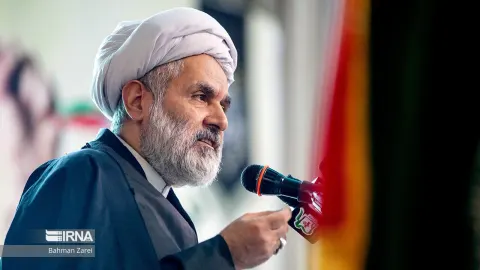
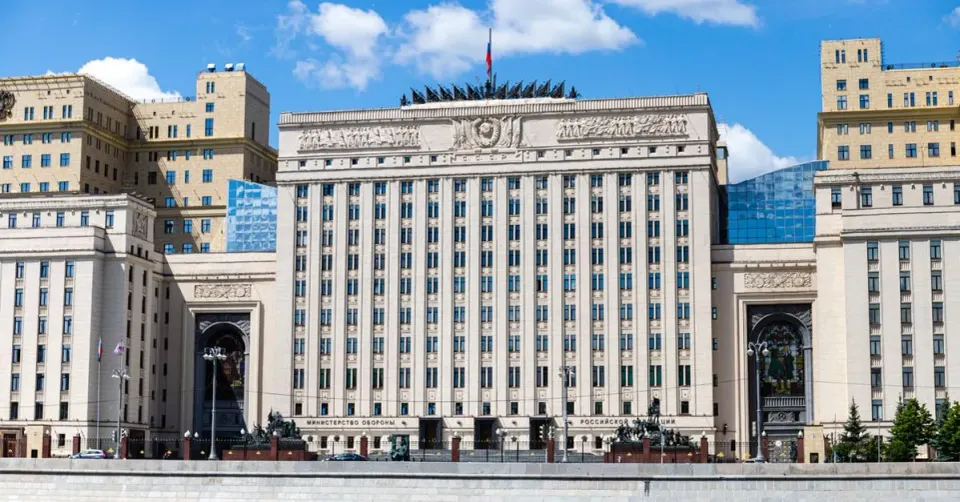
On the diplomatic front, Iranian Ambassador to Moscow Kazem Jalali has confirmed that Russian Foreign Minister Sergey Lavrov is scheduled to arrive in Tehran this Monday. This visit is strategically timed, following the recent parliamentary confirmation of Mehrdad Akhlaqi as Iran's new Minister of Defense. The IRGC leadership has already signaled its full cooperation with the new ministry, explicitly framing their mission as countering a "hybrid war" waged by external adversaries. The arrival of Russia's top diplomat suggests that the Moscow-Tehran axis is moving beyond mere rhetoric toward more concrete military and economic integration, likely aimed at creating a more resilient framework against Western sanctions.
While the Iranian government characterizes these moves as defensive and stabilizing, the deepening ties with Moscow are viewed with high suspicion by international markets. For the Iranian reader, these high-level consultations often precede shifts in currency sentiment or trade regulations. With the USD/IRR rate currently showing a slight cooling to 262,000 Toman (-0.5%), the outcome of Lavrov's meetings could determine whether this stability holds or if new geopolitical friction will trigger another round of volatility in the free market exchange rates.
Bitcoin ETFs Shed $1 Billion as 'Uptober' Narrative Fails
The widely anticipated "Uptober" rally for the cryptocurrency market has faced a harsh reality check as spot Bitcoin ETFs recorded nearly $1 billion in net outflows over the past two weeks. Data shows a net drain of $228.6 million this week alone, following a massive $681.1 million exit the previous week. This institutional retreat has kept Bitcoin pinned near the $81,000 level, currently trading at $81,099. The exodus suggests that large-scale investors are moving toward a "risk-off" posture, likely spooked by the escalating civil unrest in Europe and the persistent threat of conflict expansion in the Middle East.
In the local Iranian market, the price of Tether (USDT) remains closely tied to the fluctuating informal dollar rate, currently at 261,624 Toman. The lack of upward momentum in global crypto prices, combined with the slight retreat in the domestic dollar rate, has created a stagnant environment for local traders. However, history suggests that such periods of institutional cooling often precede high-volatility movements. Investors are now closely watching the $80,000 support level; a breach below this could accelerate selling pressure, while a successful defense might finally ignite the late-October recovery many had hoped for.
Regional Escalation: Egypt Pledges Support to Saudi Arabia
Geopolitical tensions in the Middle East have taken a new turn as Egyptian President Abdel Fattah el-Sisi sought authorization to provide military support to Saudi Arabia following a series of Houthi attacks. Although the Egyptian presidency claims this support would be strictly "defensive," it marks a significant formalization of military cooperation between the two regional powers. This development occurs as Sudan continues to be ravaged by internal conflict, with the Sudanese army recently accused of a drone strike on a crowded livestock market in South Darfur. These combined events underscore a region that is increasingly on edge, with traditional trade routes and economic hubs under constant threat.
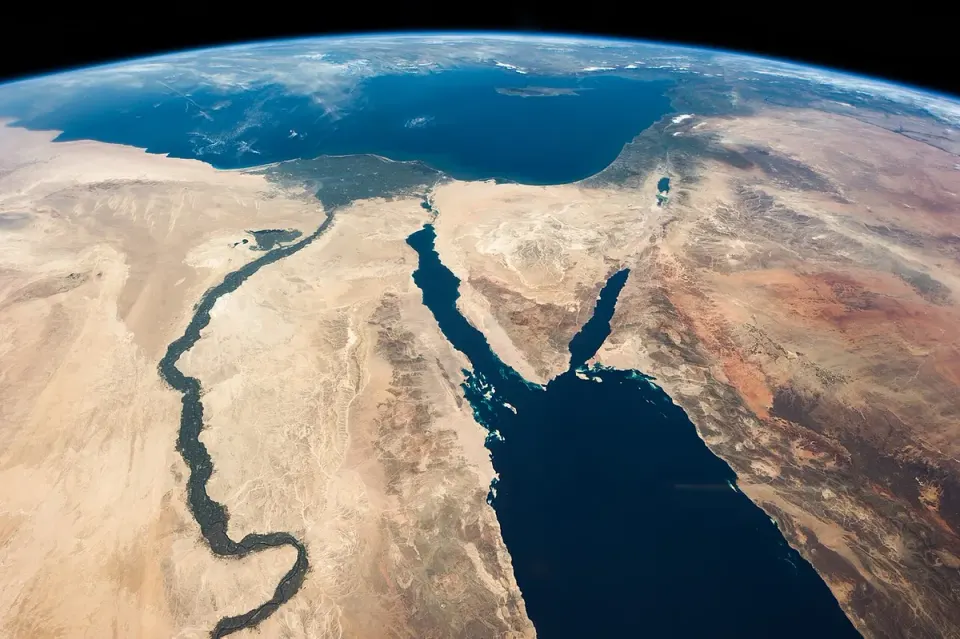
For the global economy, the risk of a wider regional conflict involving Egypt and Saudi Arabia directly impacts oil transit and insurance premiums for shipping. While oil prices have remained relatively stable in the short term, the underlying tension is a primary driver for the high price of gold, with the global ounce price currently hovering at an elevated $4,166.10. In Iran, while gold 18k and Emami coins saw a minor 24-hour dip of 0.5% and 0.2% respectively, the long-term trend remains heavily influenced by these external security risks that threaten to disrupt the delicate balance of regional trade.
Frequently Asked Questions
Why is the French government facing a 'state failure' crisis?
What is the significance of Sergey Lavrov's visit to Tehran on Monday?
Why is Bitcoin struggling despite the 'Uptober' expectations?
How has the Iranian currency reacted to these global events today?
Understanding Geopolitical Risk in a Volatile World
The diverse set of headlines, from social unrest in France to diplomatic maneuvers in Tehran and military alliances in the Middle East, alongside shifts in global financial markets, points to a heightened state of Geopolitical Risk. This critical concept refers to the potential for political events, conflicts, or instability between nations or within states to significantly impact global economic and financial systems. It's not just about wars, but also includes diplomatic tensions, trade disputes, political leadership changes, and even widespread social unrest. In an increasingly interconnected world, what happens in one region can send ripples across continents, affecting everything from commodity prices to investor confidence.
When geopolitical risk escalates, investors typically seek safe-haven assets, leading to phenomena like "Global Market Retreat" as seen with Bitcoin ETF outflows. Currencies of countries perceived as stable might strengthen, while those of nations facing internal or external pressures, such as the USD/IRR price fluctuations, can weaken. The price of gold, often considered a traditional safe haven, tends to rise during periods of uncertainty, reflecting its role as a hedge against inflation and instability. These market reactions are direct consequences of heightened risk perception, as capital flows away from speculative or risky ventures towards more secure investments.
The keywords provided offer a stark illustration of these dynamics. Riots in France, whether stemming from social grievances or political polarization, signal internal instability that can deter foreign investment and impact economic growth. The visit of Sergey Lavrov to Tehran, coupled with the formation of new military alliances like that between Egypt and Saudi Arabia, indicates a reordering of global power dynamics and potential challenges to existing international norms. Such shifts can create uncertainty around trade routes, energy supplies, and regional stability, all of which directly feed into geopolitical risk assessments.
Furthermore, localized conflicts, such as the reported drone strike in Darfur, while seemingly distant, contribute to the overall perception of a volatile global landscape. They highlight the fragility of peace and the potential for humanitarian crises, which can in turn trigger diplomatic interventions, sanctions, or refugee flows, all with economic ramifications. Understanding geopolitical risk is crucial for navigating today's complex world, as it provides a lens through which to interpret how political developments can shape our economic realities and influence global market trends.
Topics
Related Articles