
Iran Issues Stern Warning to UN Over 'Unlawful' US-Israeli Threats Amid Gold Price Surge
هشدار تند ایران به سازمان ملل در پی تهدیدات آمریکا و اسرائیل؛ جهش قیمت طلا در بازار داخلی
Iran's envoy to the UN has formally protested against 'unlawful threats' from Washington and Tel Aviv, as regional tensions keep markets on edge. Meanwhile, domestic gold prices have jumped 1.2% despite a slight cooling in the USD exchange rate.
At time of publishing
USD
261,900
Toman
Gold 18K
26.46M
Toman / gram
Bitcoin
$81,658
US Dollar
Tether
259,721
Toman
Iran Warns UN of 'Consequences' Following US-Israeli Threats
In a formal communication to the United Nations Secretary-General and the Security Council, Gholamhossein Darzi, Iran’s Ambassador and Chargé d’Affaires in New York, has issued a sharp warning regarding what Tehran describes as "unlawful threats" of aggression from the United States and Israel. According to reports from state-affiliated media, Darzi emphasized that these threats violate the fundamental principles of international law and the UN Charter. The diplomatic move is seen as an attempt to establish a legal record of escalation, positioning Iran to justify potential retaliatory measures as self-defense. This development comes as the region remains caught in a cycle of high-stakes brinkmanship, with officials in Tehran repeatedly stating that any strike against Iranian interests will be met with a proportional and decisive response.
For the Iranian public and market observers, these diplomatic warnings are far from academic. They serve as a primary barometer for domestic economic stability. Historically, such heightened rhetoric between Tehran and its adversaries has led to immediate fluctuations in the currency and gold markets. While the USD/IRR rate has shown a marginal decrease of 0.1% over the last 24 hours—moving from 262,100 to 261,900 Toman—the underlying sentiment remains one of deep caution. The "risk premium" on the Toman remains high, as traders weigh the possibility of renewed sanctions or direct military friction that could disrupt trade routes or oil exports, particularly in the sensitive Strait of Hormuz region.

Trump’s Economic Claims Face Scrutiny Amid Global Market Volatility
As the United States approaches critical midterm elections, President Donald Trump has ramped up his rhetoric regarding the health of the American economy, claiming unprecedented success in job creation and GDP growth. However, a recent analysis by BBC Verify suggests a more complex reality. While the labor market has shown resilience, persistent inflation continues to erode the purchasing power of American households. This economic narrative is not just a domestic issue for the U.S.; it dictates the strength of the U.S. Dollar globally and influences the price of safe-haven assets. In a surprising turn, even in traditional Republican strongholds like Kansas, the President is facing unexpected political challenges, suggesting that the economic "victory" he describes may not be felt uniformly across the electorate.
This global economic backdrop has a direct impact on the pricing of commodities and digital assets. Bitcoin, for instance, has seen a significant surge in institutional interest, with U.S. Bitcoin ETFs drawing $527 million in inflows recently—the largest showing since September. BlackRock’s IBIT led these gains, signaling that despite political uncertainty, large-scale investors are looking for decentralized hedges. For Iranian investors who often look to the global dollar strength and crypto performance to protect their savings, the divergence between Trump’s optimistic claims and the reality of sticky inflation in the West provides a confusing but critical set of data points for long-term financial planning.
Domestic Gold Outpaces Currency as Safe-Haven Demand Rises
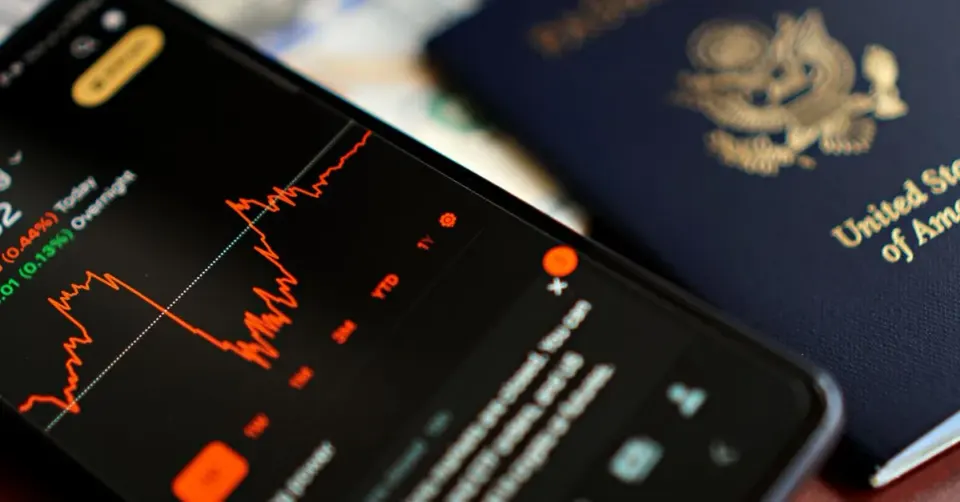
While the dollar exchange rate in Tehran saw a minor dip, the domestic gold market tells a different story of investor anxiety. Gold 18k per gram has risen by 1.2% in the last 24 hours, climbing from 26,150,791 to 26,457,823 Toman. This decoupling of gold from the immediate movement of the dollar suggests that Iranians are increasingly turning to gold as a hedge against geopolitical risk rather than just currency devaluation. The Emami coin has followed suit, rising 0.4% to reach 267,500,000 Toman. When diplomacy fails to provide a sense of security, the tangible nature of gold becomes the preferred refuge for both small-scale savers and institutional players in the Iranian market.
Looking ahead, the diplomatic calendar offers several potential catalysts for market movement. Iranian Ambassador to Russia has confirmed that consultations between President Masoud Pezeshkian and Vladimir Putin will continue at the upcoming gas summit in Moscow. This deepening of the Tehran-Moscow axis is viewed by some as a strategic necessity to bypass Western financial pressure, but it also risks further isolating Iran from European markets. As long as the threat of regional conflict looms, and as long as the U.S. political landscape remains volatile, the demand for gold and hard assets in Iran is expected to remain robust, regardless of minor day-to-day fluctuations in the official or free-market exchange rates.
Frequently Asked Questions
چرا قیمت طلا در ایران با وجود کاهش قیمت دلار افزایش یافته است؟
هشدار ایران به سازمان ملل چه پیامدی برای بازارها دارد؟
وضعیت ورود سرمایه به ETFهای بیتکوین چه تاثیری بر بازار ایران دارد؟
Gold as a Safe‑Haven Asset: Why Prices Surge During Geopolitical Tensions
Gold has long been regarded as a safe‑haven – an investment that retains value when other assets falter. When geopolitical risk spikes, such as heightened tensions between Iran, the United States, and Israel, investors rush to assets that are perceived as independent of any single nation’s fiscal policy. Because gold is priced globally in U.S. dollars, a surge in demand pushes its price higher in dollar terms, and the effect is amplified in countries with weak or sanctioned currencies, like the Iranian rial, where the local price can skyrocket relative to everyday goods.
The mechanism linking gold prices to exchange rates is straightforward: if the domestic currency depreciates against the dollar, more of that currency is needed to buy the same ounce of gold. In Iran, sanctions have forced the rial into a managed float with frequent official devaluations, creating a large gap between the market and official rates. As the rial weakens, Iranians and regional investors turn to gold not only as a store of value but also as a hedge against inflation, driving up local gold premiums far above the global spot price.
Gold’s safe‑haven status is also reinforced by its lack of credit risk. Unlike a bond issued by a government that might default, gold cannot be repudiated. This attribute makes it attractive during periods of fiscal uncertainty, such as when the U.S. economy faces debates over fiscal policy or when new financial products like Bitcoin ETFs draw capital away from traditional assets. While Bitcoin is often touted as a digital alternative to gold, its price is far more volatile, and regulatory uncertainty can quickly erode confidence, reinforcing gold’s dominance in crisis periods.
Understanding this relationship helps explain why headlines about a "gold price surge" often appear alongside reports of diplomatic warnings or sanctions. The surge is not merely a commodity market quirk; it reflects deeper macro‑economic dynamics: currency devaluation, inflation expectations, and investors’ search for stability. Policymakers who wish to curb capital flight must therefore consider not only monetary policy but also the broader perception of financial safety in the global arena.
For readers interested in digging deeper, the links below provide a solid foundation on gold’s role as a safe‑haven, the mechanics of exchange rates, and the impact of sanctions on currency stability.