Taiz Under Siege, Hormuz Tensions Flare, Trump Campaigns on Farm Aid
طیز در محاصره، تنش در تنگه هرمز، ترامپ با وعده کمک به کشاورزان کمپین انتخاباتی برگزار میکند
The Yemeni city of Taiz faces a dire humanitarian crisis as Houthi forces tighten their siege, while two oil tankers caught fire in the Strait of Hormuz, raising regional security concerns. Meanwhile, former US President Trump is campaigning in North Carolina, promising economic aid to farmers grappling with rising fuel costs.
At time of publishing
USD
264,700
Toman
Gold 18K
26.48M
Toman / gram
Bitcoin
$81,497
US Dollar
Tether
262,694
Toman
Taiz Faces Humanitarian Catastrophe as Houthi Siege Tightens
The Yemeni city of Taiz, one of the country's largest urban centers, is on the brink of a severe humanitarian crisis as Iranian-backed Houthi militias have effectively cut off road access, tightening a long-standing siege. Local officials are issuing desperate warnings of impending starvation and a collapse of essential services, including healthcare and clean water. This development significantly escalates the already dire situation in Yemen, where years of conflict have devastated infrastructure and displaced millions.
The strategic importance of Taiz, coupled with its large population, makes this siege particularly alarming. The Houthi control of access routes suggests a deliberate strategy to exert pressure on the internationally recognized government and its allies. The blockade is likely to exacerbate food insecurity and hinder the delivery of much-needed humanitarian aid, potentially leading to widespread suffering and a surge in preventable deaths. The international community is watching closely, with fears that this intensified blockade could trigger a new wave of displacement and further destabilize the region.
--- ## Strait of Hormuz Tensions Escalate Amid Tanker Incident
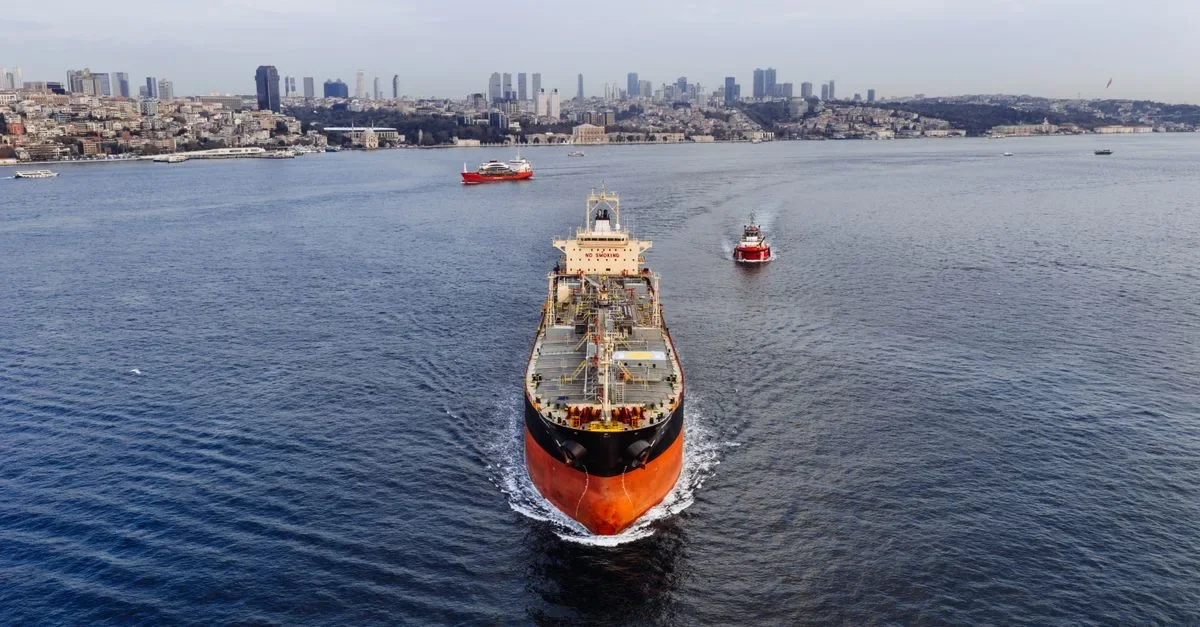
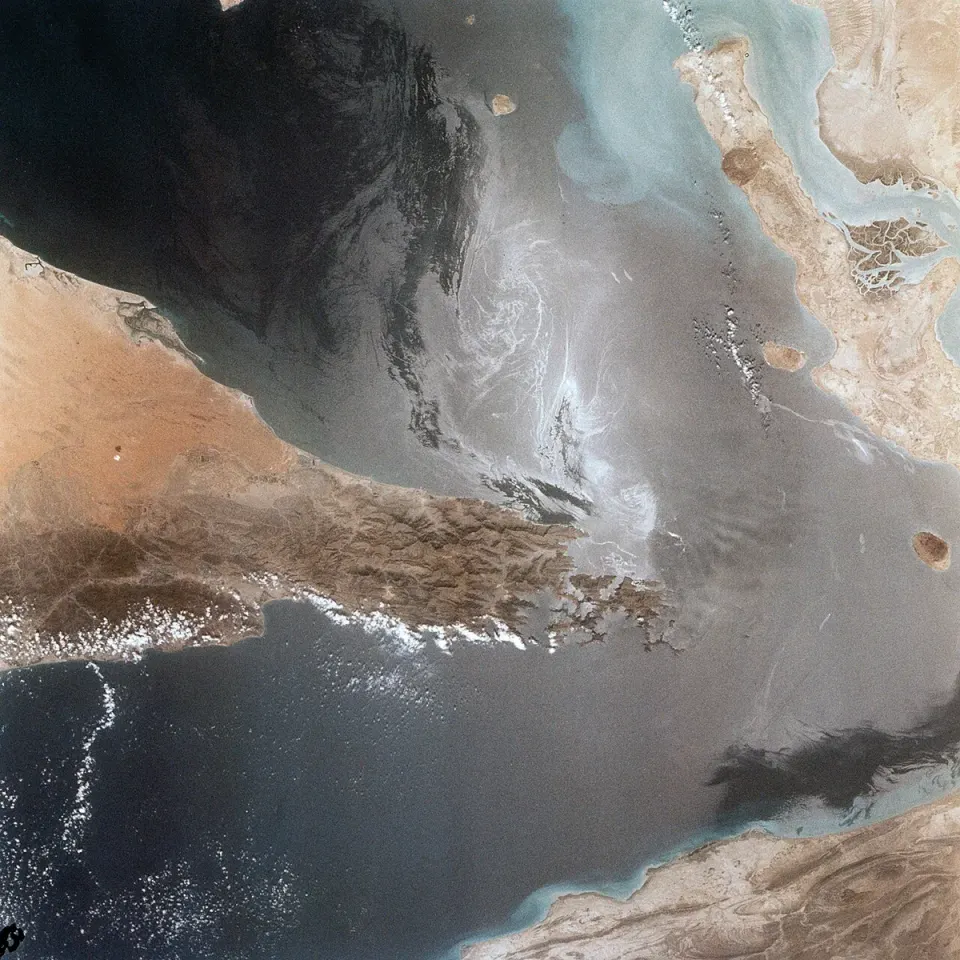
Two oil tankers reportedly caught fire and were halted in the strategically vital Strait of Hormuz, a crucial chokepoint for global oil supplies. The Islamic Revolution Guards Corps (IRGC) claimed the vessels hit mines while attempting to navigate a prohibited area. This incident, if confirmed to be an act of aggression, significantly raises tensions in an already volatile region and poses a direct threat to international shipping and energy security.
The Strait of Hormuz is responsible for transporting a significant portion of the world's crude oil, making any disruption there a matter of global economic concern. The IRGC's statement, while blaming mine-laying, could be interpreted as a deliberate provocation or a response to perceived threats. The timing of this incident, amidst broader regional geopolitical maneuvering, suggests a potential attempt to disrupt oil flows or project power. The market reaction, though not immediately detailed here, is likely to be one of increased caution and potential price volatility for oil futures.
--- ## Trump Rallies in North Carolina, Pledges Farmer Aid Amidst Midterm Push
Former US President Donald Trump is actively campaigning in North Carolina, focusing his efforts on securing support for Republican candidates in the upcoming midterm elections. During a rally, Trump announced a substantial economic aid package, totaling $8 billion, specifically targeted at farmers struggling with soaring diesel prices. This pledge comes as polls indicate a challenging landscape for Republicans, with widespread voter anger over rising fuel costs, which the campaign attributes to recent US foreign policy decisions.
The emphasis on agricultural aid and fuel costs highlights a key battleground issue for the midterms. By promising financial relief to farmers, Trump aims to galvanize a crucial voting bloc and address a significant economic pain point for many Americans. The campaign's narrative directly links these economic woes to current US foreign policy, suggesting a deliberate strategy to leverage voter dissatisfaction. With elections just two weeks away, this move underscores the high stakes and the focus on economic issues as a primary driver of voter sentiment.
--- ## Yemen's Taiz Faces Starvation as Houthi Siege Intensifies
The humanitarian situation in Yemen's third-largest city, Taiz, has reached a critical point. Iranian-backed Houthi forces have intensified their blockade, effectively cutting off all major road access and besieging the city's inhabitants. Officials on the ground are issuing dire warnings, reporting a severe lack of essential supplies, including food, medicine, and clean water. This tightening siege threatens to plunge Taiz into a catastrophic humanitarian crisis, with fears of widespread starvation and disease.
The blockade is a calculated move by the Houthis to exert maximum pressure on the government and its allies, as well as the civilian population. Taiz has been a focal point of the conflict for years, and this renewed siege signifies a significant escalation. The lack of access for humanitarian aid organizations will undoubtedly worsen the suffering of an already vulnerable population. The international community faces immense pressure to intervene and ensure the unimpeded flow of essential supplies to prevent a full-blown humanitarian disaster.
--- ## Global Markets React to Geopolitical Instability and Energy Concerns
While specific market data for today's session is still developing, the confluence of events in the Strait of Hormuz and the escalating crisis in Taiz are likely to cast a shadow over global financial markets. The reported incident involving oil tankers in the Strait of Hormuz, a critical artery for global energy supplies, could lead to increased oil price volatility and a general rise in risk aversion among investors. Any perceived threat to oil supply routes often triggers a sell-off in riskier assets and a flight to safety.
Furthermore, the ongoing humanitarian crisis in Yemen, exacerbated by the Houthi siege of Taiz, adds another layer of geopolitical instability. While the direct economic impact might be more localized, the broader implications for regional security and the potential for wider conflict can influence investor confidence and capital flows. Market participants will be closely monitoring these developments for any signs of escalation or de-escalation, which will inform their trading strategies and portfolio allocations. The currency markets, particularly the Iranian Toman, will also be sensitive to regional stability and global commodity prices, with the USD/IRR showing a slight uptick of 1.0% in the last 24 hours, trading around 264,700 IRR.
Frequently Asked Questions
What is the current humanitarian situation in Taiz, Yemen?
What happened in the Strait of Hormuz?
What is Donald Trump's campaign focus in North Carolina?
How are global markets reacting to these events?
What is the latest USD/IRR exchange rate trend?
Geopolitical Chokepoints: Understanding Global Vulnerabilities
In the complex web of global trade and security, certain narrow maritime passages hold disproportionate strategic importance. These are known as geopolitical chokepoints: constricted sea lanes that are essential for international commerce, particularly for the transport of vital resources like oil and natural gas. Their narrowness makes them efficient pathways but also highly vulnerable to disruption, whether from natural disasters, piracy, or political conflict. Any blockage or threat to these chokepoints can send ripple effects across global markets, impacting energy prices, supply chains, and international relations.
The Strait of Hormuz, mentioned in the news, serves as a prime example of such a chokepoint. Located between the Persian Gulf and the Gulf of Oman, it is the world's most important oil transit chokepoint, through which roughly one-fifth of the world's total oil consumption and a significant portion of its liquefied natural gas (LNG) passes daily. This strategic significance means that tensions in the surrounding region, such as those involving Iran or Houthi forces in Yemen, can quickly escalate concerns about global energy security and freedom of navigation.
Understanding chokepoints helps us grasp why seemingly localized incidents, like an oil tanker incident or regional military maneuvers, can trigger widespread alarm. The global economy is heavily reliant on the uninterrupted flow of goods through these arteries. Disruptions not only affect the immediate supply but can also lead to increased shipping costs due to longer alternative routes, higher insurance premiums, and speculative price hikes in commodities. This vulnerability underscores the delicate balance of international diplomacy and the constant need for stability in these critical maritime corridors.
Beyond the Strait of Hormuz, other vital chokepoints include the Suez Canal, the Strait of Malacca, and the Panama Canal. Each plays a crucial role in connecting different parts of the world and facilitating global trade. The stability of these passages is a shared international interest, making their security a constant focus of geopolitical strategists and international organizations alike. Recognizing their importance is key to comprehending the interconnectedness of global events and the potential for regional instability to have far-reaching consequences.