UK Fighter Jets to Saudi Arabia Amid Houthi Attacks; India's Oil Role & Hormuz Future in Focus
اعزام جتهای جنگنده بریتانیا به عربستان در پی حملات حوثیها؛ نقش هند در بازار نفت و آینده هرمز در کانون توجه
Britain is deploying Typhoon fighter jets to Saudi Arabia to bolster defenses against escalating Houthi attacks, signaling a deepening Western commitment to regional security. Simultaneously, India's Reliance refinery is central to U.S. efforts to manage global oil prices and Russian energy sanctions, while a major bank predicts the Strait of Hormuz could become redundant within five years.
At time of publishing
USD
264,300
Toman
Gold 18K
26.39M
Toman / gram
Bitcoin
$81,372
US Dollar
Tether
264,259.305
Toman
UK Deploys Fighter Jets to Saudi Arabia Amid Houthi Escalation
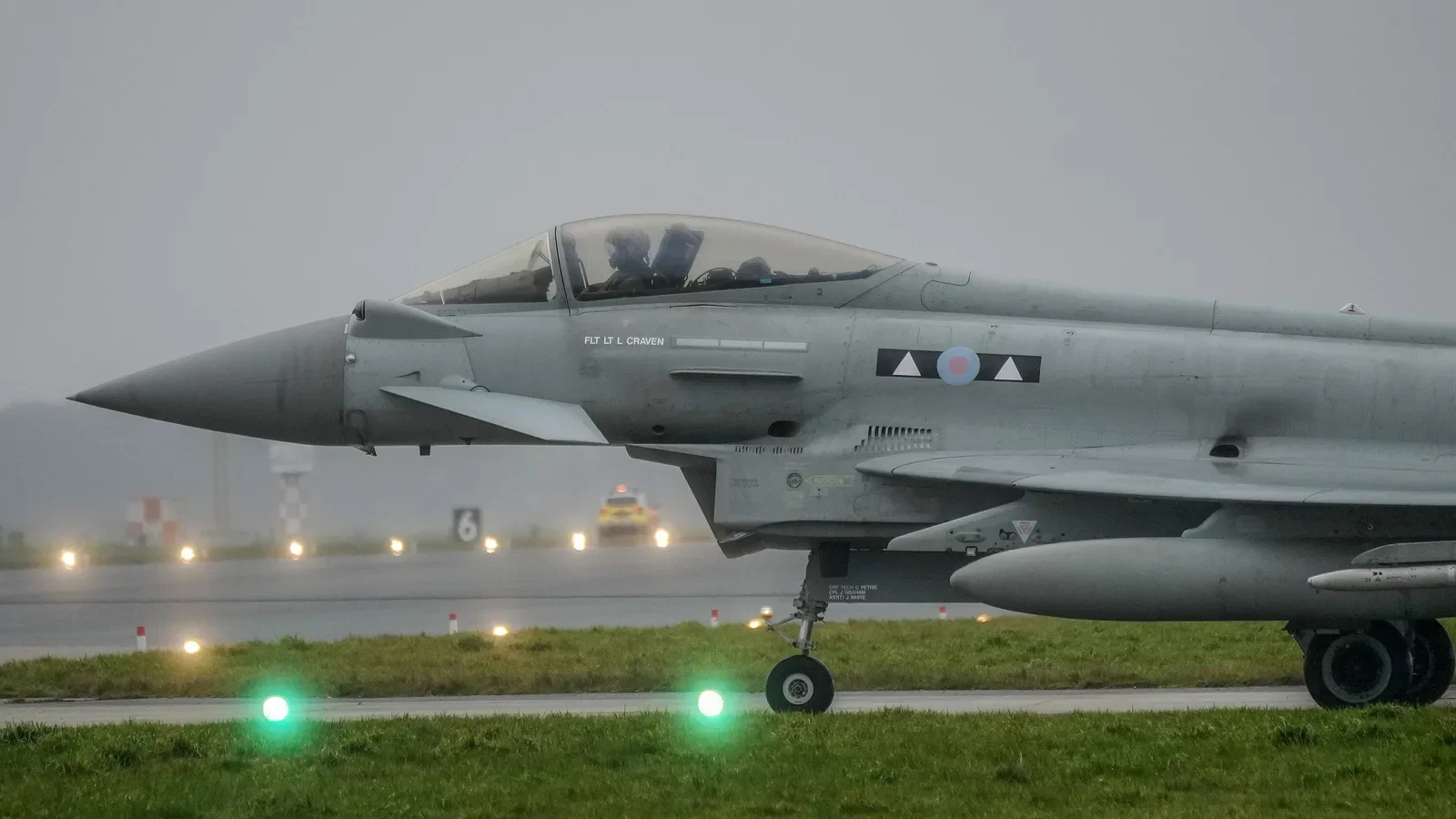
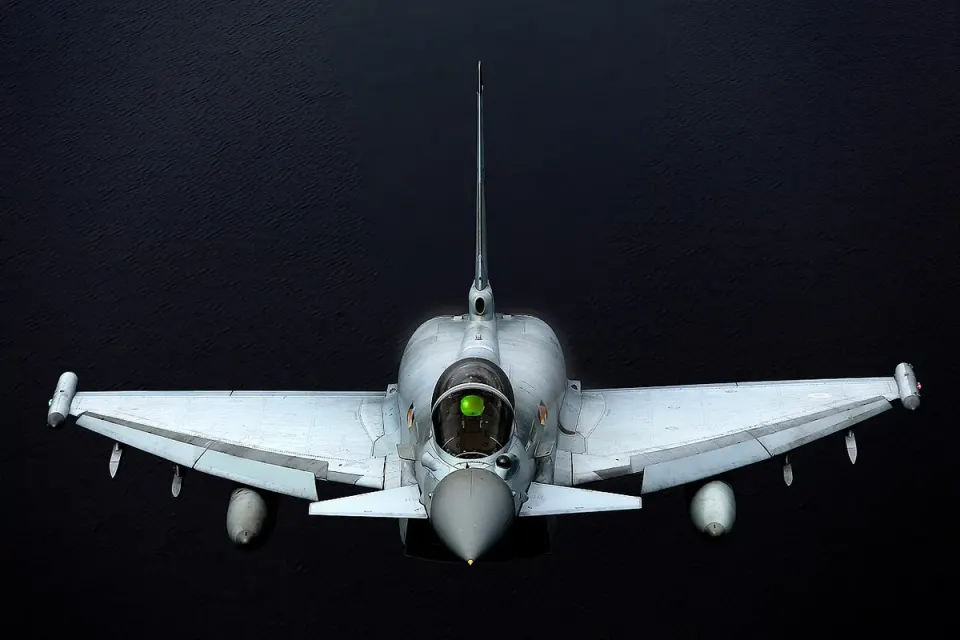
Britain has announced the deployment of Royal Air Force (RAF) Typhoon fighter jets to Saudi Arabia, a move designed to bolster the Kingdom's defenses against a recent surge in attacks by the Iran-backed Houthi militia. This decision by the UK underscores a growing international concern over the stability of the Arabian Peninsula and the critical shipping lanes in the Red Sea. The fighter jets are specifically tasked with protecting vital infrastructure, signaling a direct response to the Houthis' enhanced capabilities and their willingness to target key economic and strategic sites.
This deployment is significant as it marks a more direct military involvement by a major Western power in the ongoing conflict, moving beyond intelligence sharing and logistical support. The escalation of Houthi attacks, which have included drone and missile strikes, poses a substantial threat not only to Saudi Arabia but also to global energy supplies and maritime trade. For Iran, this development could be seen as a further hardening of international resolve against its regional proxies, potentially leading to increased pressure on Tehran to rein in the Houthis or face broader consequences, affecting regional confidence and potentially influencing currency expectations.
India's Reliance Refinery: A Geopolitical Chess Piece in Oil Markets
India's Reliance oil refinery, the world's largest, has become a focal point in the intricate dance of international energy politics, prompting a visit from U.S. Senator Rubio. This visit is deeply intertwined with Washington's broader strategy to both curb Russian energy revenues and stabilize global oil prices, particularly in the context of ongoing geopolitical tensions and the war in Ukraine. Reliance's immense processing capacity and its historical ties to various oil suppliers, including Russia, place it in a unique position where its purchasing decisions have significant global ramifications.
The U.S. is acutely aware that while it seeks to isolate Russia economically, a complete cutoff of Russian oil from the global market could send prices soaring, potentially destabilizing economies worldwide. Therefore, countries like India, which have continued to purchase Russian oil at discounted rates, are crucial to Washington's delicate balancing act. The U.S. aims to ensure that these purchases do not undermine sanctions entirely, while simultaneously preventing a catastrophic spike in oil prices. For Iran, this dynamic is a double-edged sword: while the U.S. focuses on Russia, it might offer some breathing room, but it also highlights the continued U.S. resolve to exert influence over global oil flows, which directly impacts Iran's own ability to export oil under sanctions and impacts the broader market sentiment around energy.
HSBC Predicts Strait of Hormuz Redundancy Amid Alternative Route Push
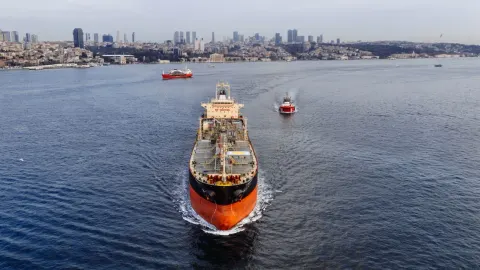
In a striking projection, HSBC Group's chief executive, Georges Elhedery, stated at the HSBC Future Forum 2026 in Dubai that the Strait of Hormuz, a choke point for a fifth of global oil supplies, could become "redundant" within five years. This bold prediction stems from an accelerated push by Middle Eastern nations to develop alternative oil export routes, bypassing the politically volatile and militarily sensitive strait. Such projects, including pipelines that run directly to the Arabian Sea, are gaining momentum as regional conflicts and maritime security concerns continue to plague the Persian Gulf.
The drive for redundancy is a direct response to the persistent threats to shipping in the strait, including past attacks on tankers and ongoing tensions. While Elhedery expressed hope for a resolution to regional conflicts, the financial giant's assessment suggests that strategic energy planning is moving towards de-risking supply chains from this critical waterway. For Iran, which heavily relies on its strategic position along the Strait of Hormuz as a geopolitical lever, this development could significantly diminish its influence over global energy markets and regional security dynamics. It implies a long-term erosion of a key strategic asset, forcing Tehran to re-evaluate its regional posture and economic reliance on this vital maritime passage, potentially impacting long-term trade and revenue forecasts.
Market Snapshot: Toman Weakens, Gold and Coin Prices Rise
Amid these significant geopolitical developments, Iranian markets saw modest movements over the past 24 hours. The U.S. Dollar (USD) against the Iranian Toman moved from 262,100 to 264,300, marking a +0.8% increase. This weakening of the Toman reflects underlying pressures, potentially influenced by regional uncertainties and broader economic sentiments.
Similarly, precious metals and coins experienced slight upward trends. Gold 18k per gram rose from 26,150,791 to 26,386,259 Toman, an increase of +0.9%. The Emami coin also saw a modest uptick, moving from 266,500,000 to 267,000,000 Toman, a +0.2% change. These movements often indicate investors seeking safe-haven assets in times of perceived economic or political instability, though the changes were not dramatic, suggesting a cautious market response rather than a panic. The crypto market also saw Bitcoin trading at 81,372 USD and Ethereum at 2,392.34 USD, maintaining relatively stable positions in a volatile global landscape.
US Onion Futures Ban: College Students Fight for Market Freedom
In a curious turn of events, a group of college students in the U.S. is actively campaigning to reverse an obscure, decades-old ban on trading onion futures. This ban, enacted in 1958, was a direct response to market manipulation attempts that severely distorted onion prices, causing significant financial hardship for farmers and consumers alike. The students argue that modern financial safeguards and market oversight mechanisms are robust enough to prevent such abuses from recurring, advocating for the reintroduction of a commodity that, while niche, holds historical significance in U.S. futures trading.
The broader implication of this seemingly minor effort extends to the philosophy of market regulation and the role of futures contracts in price discovery and risk management. While onions may not be on the same scale as oil or gold, the debate over their futures trading touches upon fundamental questions about market efficiency, speculation, and the appropriate level of government intervention. For investors and market participants, this movement highlights how even long-standing regulations can be challenged, potentially paving the way for new trading opportunities in other currently restricted commodities, or at least sparking a renewed discussion on the efficacy and necessity of certain historical market prohibitions.
Watch
UK to send jets to Saudi Arabia to fly defensive missions | Michael Clarke analysis
Sky News
Frequently Asked Questions
Why is the UK sending fighter jets to Saudi Arabia now?
How does India's Reliance refinery impact global oil sanctions and prices?
What does HSBC's prediction of 'Hormuz redundancy' mean for Iran?
What were the recent market movements in Iran (USD, Gold, Emami coin)?
Why are college students in the U.S. fighting to reverse an onion futures ban?
The Geopolitical Significance of Maritime Chokepoints: The Strait of Hormuz
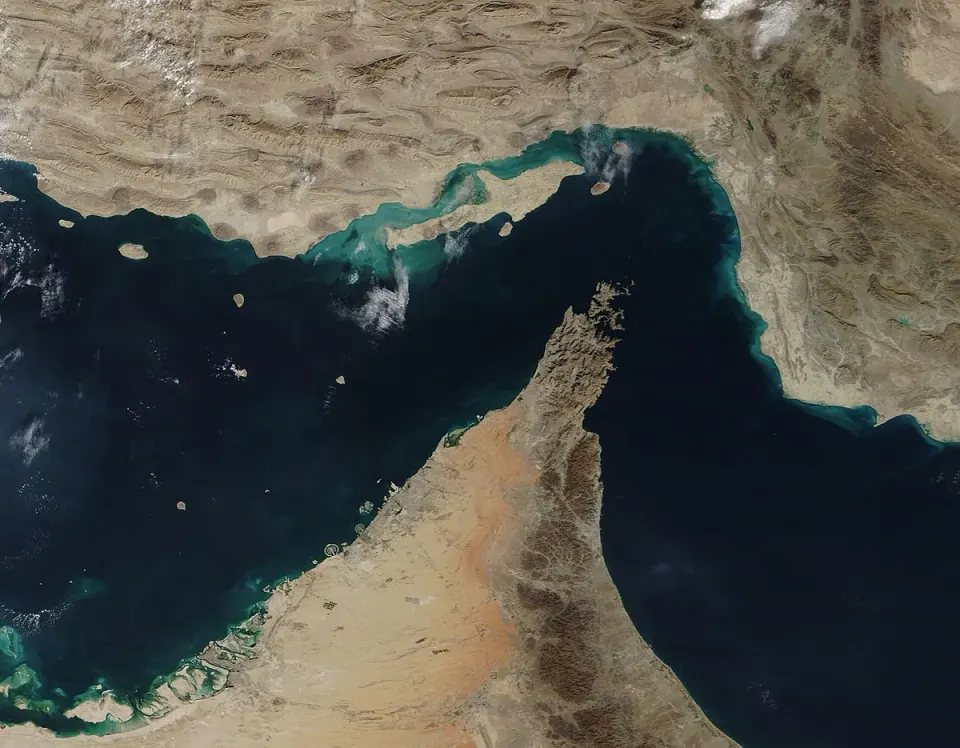
The Strait of Hormuz is one of the world's most critical maritime chokepoints, a narrow waterway connecting the Persian Gulf to the Arabian Sea and the broader Indian Ocean. Its strategic importance cannot be overstated, as it serves as the primary transit route for a significant portion of the world's oil and liquefied natural gas (LNG) supplies. For centuries, control or influence over such narrow passages has been a cornerstone of naval strategy, but in the modern era, their economic implications for global energy security are paramount.
What makes the Strait of Hormuz so crucial is the sheer volume of energy resources that pass through it daily. Approximately one-fifth of the world's total petroleum consumption, and a substantial amount of LNG, transits this strait from major oil-producing nations in the Persian Gulf, including Saudi Arabia, Iran, UAE, Kuwait, and Iraq, to markets across Asia, Europe, and North America. At its narrowest point, the strait is only about 21 nautical miles (39 km) wide, with the shipping lanes themselves being even narrower, making it vulnerable to disruption.
The geopolitical landscape surrounding the Strait of Hormuz is perpetually tense. Bordered by Iran to the north and Oman's Musandam Peninsula to the south, the strait has been a flashpoint for regional conflicts, piracy, and political disputes. Recent events, such as Houthi attacks on shipping in the Red Sea and broader regional instability, underscore the fragility of maritime trade routes in the Middle East. Any significant disruption to passage through Hormuz, whether due to military action, terrorism, or even a major shipping accident, could send shockwaves through global energy markets, leading to soaring oil prices and severe economic consequences worldwide.
For major energy-importing nations like India, which relies heavily on Middle Eastern oil, the security of the Strait of Hormuz is a matter of national economic security. The potential for supply chain disruptions forces countries to consider alternative routes, strategic reserves, and diplomatic efforts to de-escalate tensions. Understanding the Strait of Hormuz's role as a geopolitical linchpin helps illuminate the complex interplay between military strategy, international relations, and the global economy.
Topics
Related Articles