Hormuz Tensions Escalate as IRGC Claims Total Control; Rubio Pivots to India Amid Global Shifts
ادعای کنترل کامل سپاه بر تنگه هرمز؛ چرخش استراتژیک روبیو به سمت هند در میانه تنشهای جهانی
Iran's military asserts operational dominance over the Strait of Hormuz as oil prices remain volatile, while U.S. Secretary of State Marco Rubio heads to India to forge new economic alliances. Meanwhile, the UK shifts energy policy by approving a major North Sea gas field.
At time of publishing
USD
263,400
Toman
Gold 18K
26.55M
Toman / gram
Bitcoin
$82,726
US Dollar
Tether
260,347
Toman
The Strait of Hormuz: Military Posturing and Economic Anxiety
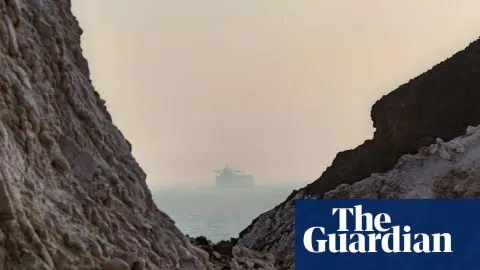
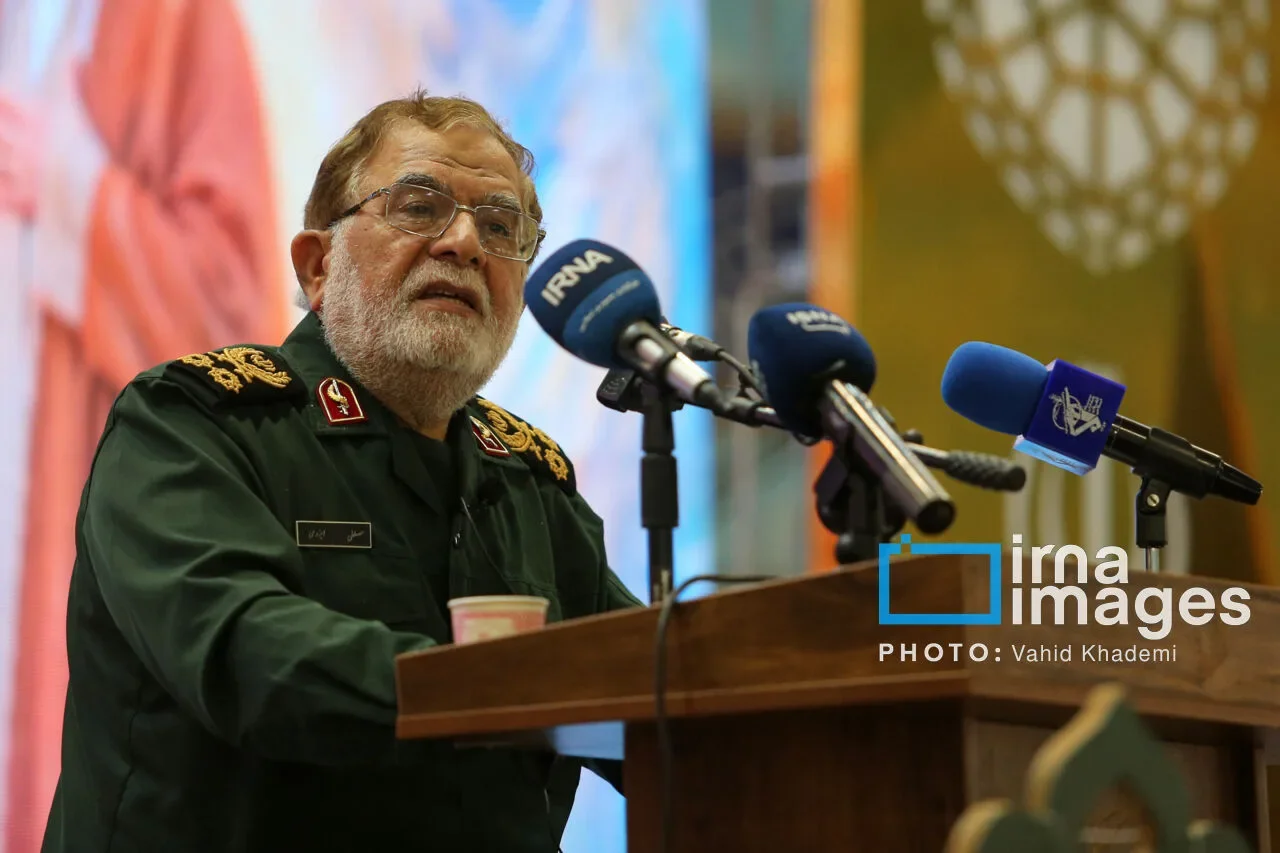
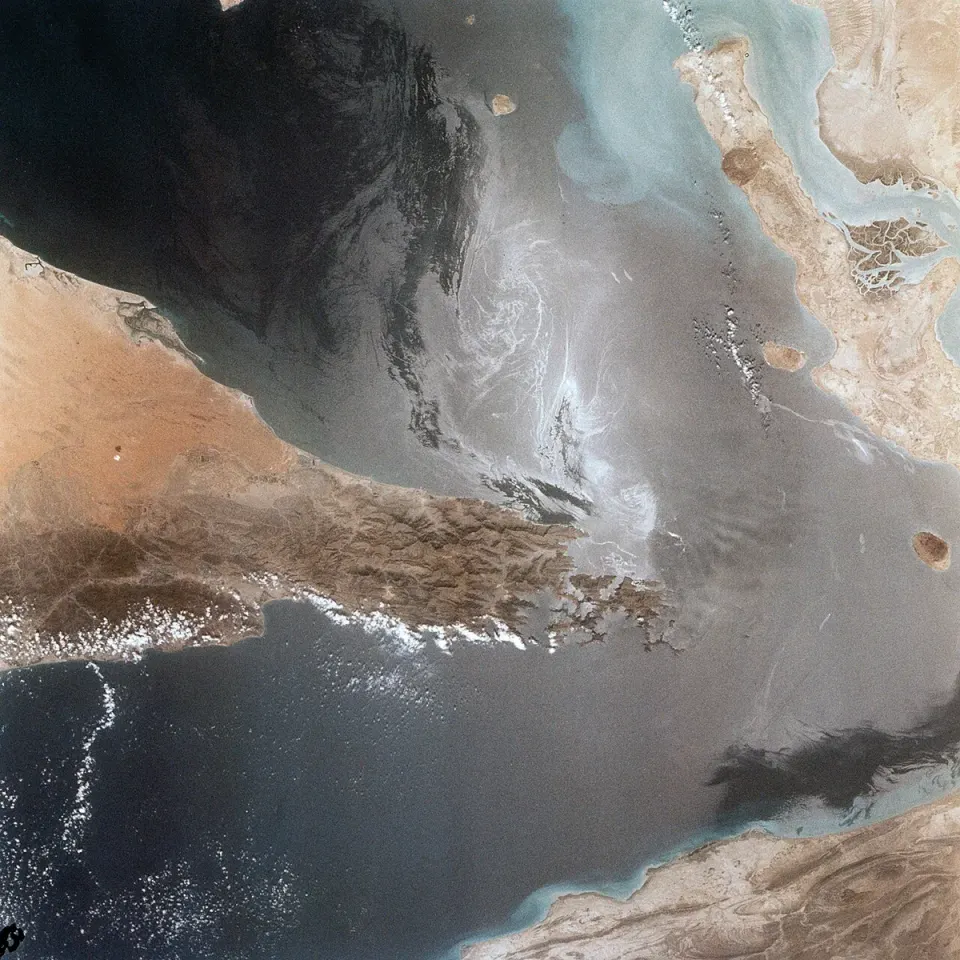
In a move that has heightened regional tensions, Major General Mostafa Izadi, a senior commander in the Islamic Revolutionary Guard Corps (IRGC), has publicly asserted that Iran’s Armed Forces maintain full operational control over the Strait of Hormuz. According to official claims, this dominance will persist for as long as the Islamic Republic deems necessary. This statement comes at a sensitive time for the Iranian economy, where the shadow of military conflict often dictates the rhythm of the currency market. While the USD/IRR pair saw a marginal decline of 0.1% today, moving from 263,700 to 263,400 Toman, the underlying anxiety remains palpable.
For the average Iranian, such declarations from the military leadership are rarely seen as mere rhetoric; they are viewed as potential precursors to further isolation or heightened sanctions. The Strait of Hormuz is the world's most important oil chokepoint, and any disruption—or even the credible threat of one—sends shockwaves through global energy markets. In the domestic market, this tension is reflected in the gold sector. The Emami coin rose by 1.7% over the last 24 hours, reaching 271,000,000 Toman. This surge suggests that investors are hedging against geopolitical risk, preferring the safety of gold over the stability of the Rial, despite the slight dip in the dollar's price.
Rubio in India: A Strategic Pivot to the East
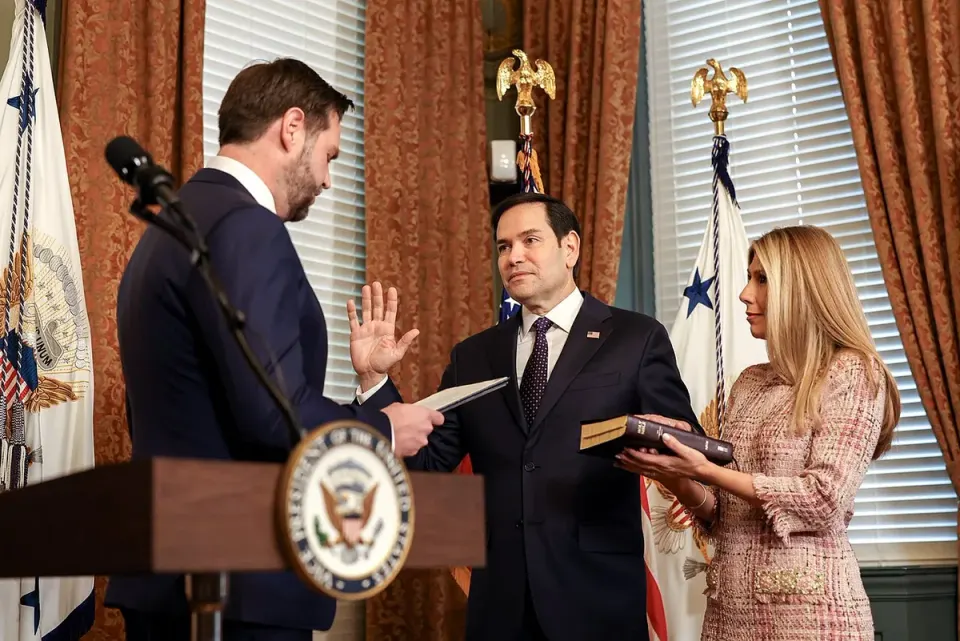
U.S. Secretary of State Marco Rubio has arrived in Mumbai, India, marking a significant step in the United States' effort to strengthen economic ties with Asia’s third-largest economy. Rubio is scheduled to meet with some of India’s most influential business magnates, including the nation's wealthiest individuals, to discuss trade deals and technological cooperation. This visit is widely interpreted as a strategic maneuver to decouple Western supply chains from China and create a more robust alternative in the Indo-Pacific region. As Washington navigates strained relations with other regional powers, India is increasingly seen as the linchpin of American economic strategy in Asia.
This shift carries profound implications for the global economy and, by extension, for Iran. As India becomes more integrated into the U.S.-led economic sphere, its willingness to engage in trade that bypasses Western sanctions—such as importing Iranian oil—may face increased scrutiny or pressure. For the Iranian leadership, the strengthening of a U.S.-India axis could mean the closing of yet another potential loophole in the sanctions regime. The negotiations in Mumbai are not just about trade; they are about the architecture of the 21st-century global economy, where the U.S. is aggressively seeking to isolate its adversaries while rewarding its strategic partners.
Energy Realities: The UK’s North Sea Gamble
The British government has officially approved the development of the Jackdaw gas field in the North Sea, a decision that has sparked intense debate between energy security advocates and environmentalists. This move, led by Shell, was widely anticipated but remains controversial because it appears to contradict the Labour government's previous commitments to halt new drilling licenses. The approval highlights a pragmatic, if painful, shift in European energy policy: the immediate need for domestic energy security is currently outweighing long-term climate goals. For the UK, the Jackdaw field represents a critical source of heating and electricity for millions of homes, reducing reliance on expensive and volatile international imports.
From a market perspective, this decision signals that traditional fossil fuels still command significant investment despite the global push toward renewables. It also mirrors a broader trend seen in other parts of the world, such as Mexico’s recent $12.5 billion push into solar projects. The global energy landscape is becoming increasingly bifurcated, with some nations doubling down on existing resources while others aggressively transition. For Iranian readers, this serves as a reminder that the global demand for oil and gas remains the primary engine of international geopolitics, even as the methods of extraction and the players involved continue to evolve.

The Physical Limits of the AI Boom: NextDC’s Australian Setback
In the technology sector, the reality of infrastructure challenges has hit Australia’s largest data center operator, NextDC. The company’s shares plummeted after it announced a significant delay in its Melbourne expansion project. The obstacle was not technological but social: local community protests against the installation of 22-meter-high power poles required to feed the energy-hungry facility. This delay pushes the project's completion into the 2027/2028 financial year, highlighting a growing trend where the "digital" world is being slowed down by the physical constraints of urban planning and public sentiment.
This event is a cautionary tale for the global AI and data industry. While the software side of AI moves at lightning speed, the hardware—the massive data centers that power these systems—is subject to the same bureaucratic and social hurdles as any other heavy industrial project. As companies like NextDC struggle with local opposition, the cost of data processing and cloud services could face upward pressure. For investors, this serves as a reminder that even the most promising tech sectors are not immune to the "not in my backyard" (NIMBY) phenomenon, which can erase billions in market value overnight.
Frequently Asked Questions
چرا قیمت سکه افزایش یافته در حالی که دلار کاهش جزئی داشته است؟
سفر مارکو روبیو به هند چه تأثیری بر ایران دارد؟
چرا پروژه مرکز داده در استرالیا باعث سقوط سهام شد؟
Why the Strait of Hormuz Matters for Global Energy Security
The Strait of Hormuz is a narrow waterway that connects the Persian Gulf with the open ocean, and it is one of the world’s most critical maritime chokepoints. Roughly 20% of global oil consumption – about 21 million barrels per day – passes through the strait, along with a significant share of natural gas and petrochemical shipments. Because the flow of energy commodities is so concentrated, any disruption—whether from geopolitical tension, piracy, or a naval incident—can ripple through international markets, raising prices and prompting sudden shifts in trade routes.
Control of the strait has long been a strategic priority for regional powers. Iran’s Islamic Revolutionary Guard Corps (IRGC) claims the right to monitor and, if necessary, close the passage, a stance that heightens the risk of sudden closures. When the IRGC announces “total control,” as it has done in recent weeks, oil traders and governments scramble to reassess risk premiums, often leading to spikes in oil and even gold prices as investors seek safe‑haven assets. The volatility underscores how a geopolitical flashpoint can directly affect commodity markets worldwide.
Energy security analysts use the concept of “chokepoint risk” to evaluate how vulnerable supply chains are to such narrow passages. The International Energy Agency (IEA) regularly models scenarios where the Hormuz flow is reduced by 30‑50%, showing that global oil prices could jump by $10‑$15 per barrel and that countries heavily dependent on Gulf oil would need to tap strategic reserves or accelerate alternative energy projects. This modeling informs policy decisions, from naval deployments to investments in pipelines that bypass the strait, such as the Qatar‑UAE pipeline or the proposed Iran‑Iraq‑Turkey corridor.
For investors and policymakers alike, understanding the strategic importance of Hormuz helps explain why events there reverberate far beyond the Middle East. It also highlights why countries like the United States and India closely monitor the situation: the U.S. seeks to keep the waterway open for its allies, while India, a growing oil importer, diversifies its energy sources to mitigate the risk of Hormuz‑related supply shocks. In short, the strait’s geography turns it into a lever that can amplify regional disputes into global economic consequences.