Strait of Hormuz: Life on the Edge as Oil Hits $110 Amid Musk’s Historic Mega-Merger Move
تنگه هرمز در بیم و امید؛ صعود نفت به ۱۱۰ دلار همزمان با زلزله ادغام تسلا و اسپیسایکس
As oil prices surge past $110, life in the Strait of Hormuz remains a tense balancing act between daily survival and global geopolitical friction. Meanwhile, Elon Musk signals a historic merger of his empires, and AI-driven radicalization raises alarms in the West.
At time of publishing
USD
263,400
Toman
Gold 18K
26.64M
Toman / gram
Bitcoin
$82,585
US Dollar
Tether
260,347
Toman
Market Open — Wednesday, October 21, 2026
The Iranian markets opened this morning with a subtle divergence between currency and precious metals. The US Dollar (USD/IRR) saw a marginal decline of 0.1%, slipping from 263,700 to 263,400 Toman. This relative stability in the currency market comes despite heightened regional rhetoric, suggesting that local demand has momentarily plateaued or is being tightly managed by central authorities. However, the gold market told a different story; 18k gold rose by 0.7% to reach 26,640,195 Toman per gram, while the Emami coin jumped 1.3% to settle at 270 million Toman. This upward movement in gold reflects a flight to safety as global oil prices and regional risks continue to climb.
In the crypto sphere, Bitcoin remains resilient, hovering around the $82,585 mark. While the broader tech sector is buoyed by strong earnings, the local USDT rate in Toman stands at 260,347, maintaining a slight gap with the free market dollar. Investors are clearly hedging against volatility, as evidenced by the 1.3% surge in gold coins within a single 24-hour window. The market mood is one of 'cautious observation,' waiting for the next geopolitical trigger in a week already marked by significant energy price spikes.
Troubled Waters: The Human Pulse of the Strait of Hormuz
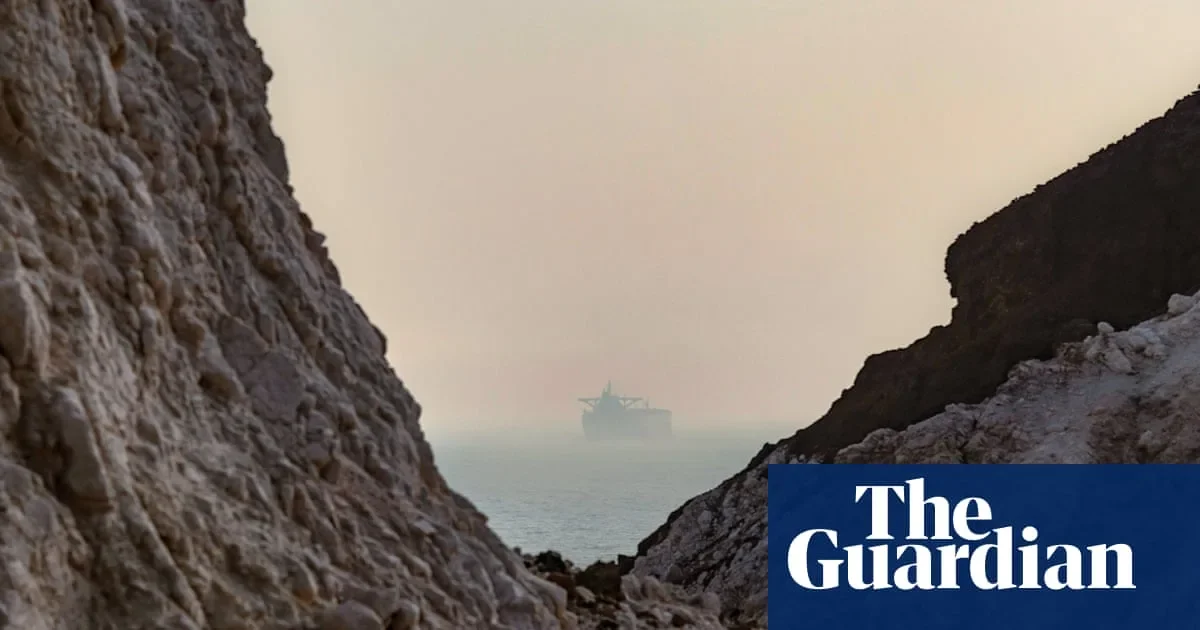
Despite the shadow of US-Israeli airstrikes and persistent threats to shipping lanes, life for those living along the Strait of Hormuz continues in a state of defiant normalcy. In Bandar Abbas, ferries like the one helmed by Capt Farouq still navigate the dark, deep waters of the world’s most critical energy chokepoint. While the navigation radars beep with the presence of naval assets, the vessels are often filled with passengers and traders for whom the Strait is not just a strategic asset on a map, but a literal lifeline. This juxtaposition of mundane commerce against the backdrop of potential conflict defines the current Iranian psyche: a necessity to move forward even when the horizon is flickering with the lights of warships.
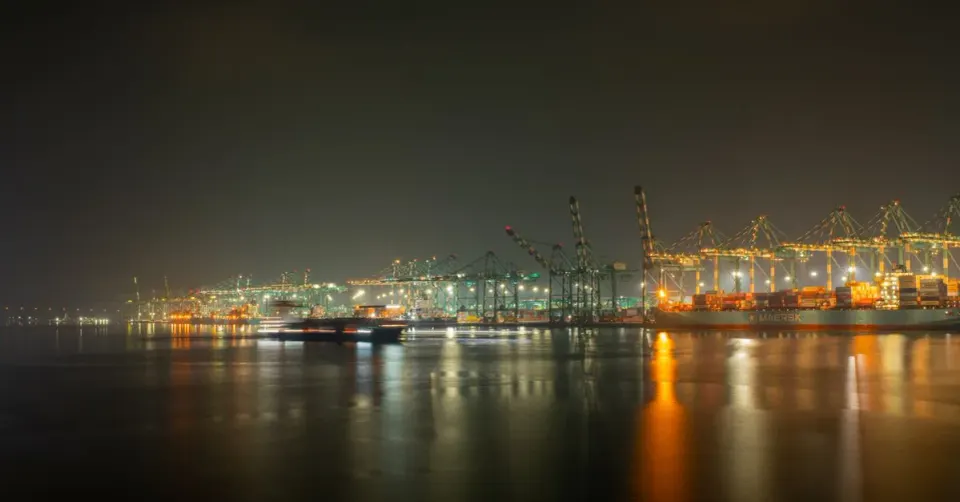
The strategic importance of this waterway has never been higher, as Brent crude oil prices have now climbed above $110 per barrel. Supply fears are no longer theoretical; they are baked into every trade as the international community watches the Sultan of Oman’s efforts to mediate peace. King Charles recently praised Oman’s role as a regional stabilizer, highlighting the intense diplomatic efforts happening behind the scenes to prevent a full-scale maritime shutdown. For the average Iranian, the tension in the Strait translates directly into the cost of imported goods and the long-term stability of the Toman, making every ferry crossing a microcosm of the nation's broader economic struggle.
Musk’s Empire Consolidation: The Tesla-SpaceX Mega-Merger
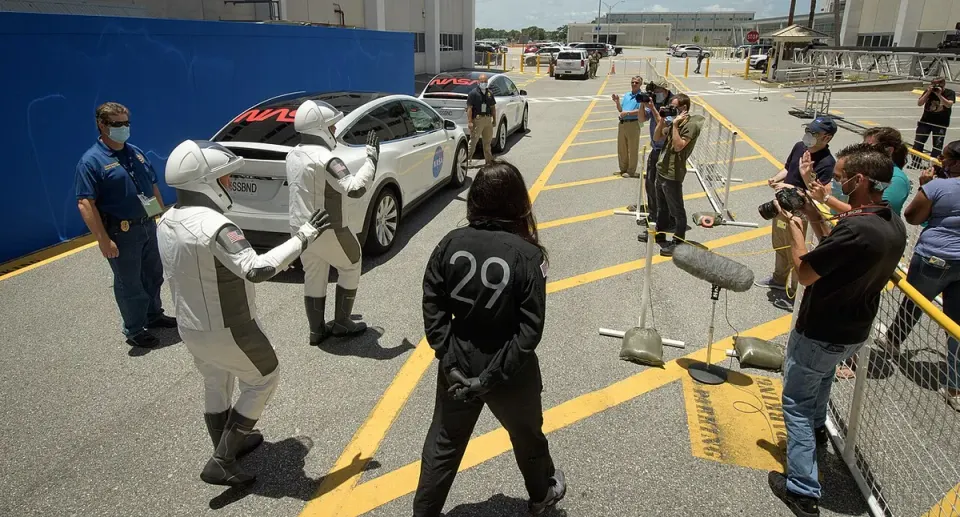
In a move that could redefine the global corporate landscape, Elon Musk has confirmed that special committees have been formed to explore a merger between Tesla and SpaceX. This would arguably be the largest and most complex merger in history, uniting the leader in electric vehicles with the world’s dominant private space and satellite internet provider. Musk’s rationale centers on the synergy between SpaceX’s Starlink infrastructure and Tesla’s autonomous driving ambitions, creating a vertically integrated 'everything company' that controls both the hardware on the ground and the data in the sky.
However, the financial stakes are astronomical. The announcement comes at a time when other AI giants are showing signs of strain; Anthropic, for instance, reported a staggering $80 billion loss in the first half of 2026. Critics argue that a Tesla-SpaceX merger might be a strategic maneuver to pool resources and mask the high capital expenditures required for the next phase of AI and Mars exploration. For investors, this represents a high-stakes gamble on Musk’s singular vision, potentially creating a trillion-dollar entity that is 'too big to fail' but also incredibly difficult to regulate across multiple jurisdictions.
Global Instability: Political Violence and the AI 'Tsunami'
Beyond the markets, a disturbing trend of social and political instability is emerging globally. In Australia, the federal police have warned of a 'febrile' political environment following a targeted attack on independent MP Helen Haines. This incident is being cited as a symptom of a broader breakdown in civil discourse, where politicians are increasingly subjected to violence and intimidation. The Australian Federal Police (AFP) noted that they are now charging approximately one person per week for threatening public officials, a statistic that underscores the rising temperature of global politics.

Compounding this social friction is the role of Artificial Intelligence in radicalization. The AFP has warned of a 'tsunami' of youth crime, noting that AI tools are accelerating the radicalization process from months to mere days. By creating hyper-personalized echo chambers and generating persuasive extremist content at scale, AI is outpacing the ability of law enforcement to intervene. This technological acceleration of social unrest is a warning to all nations: the same tools driving market efficiency are also capable of destabilizing the social fabric, making the 'safety' of traditional democratic institutions look increasingly fragile in the face of algorithmic influence.
Diplomatic Alignment: Iran Condemns US Pressure on Cuba
On the diplomatic front, Tehran has issued a sharp condemnation of recent US actions against Cuba. The Iranian Foreign Ministry described the US-issued arrest warrant for former Cuban President Raul Castro as 'illegal and criminal,' framing it as a continuation of 'interventionist policies.' This move reinforces the growing alignment between nations under US sanctions, as Tehran and Havana seek to form a unified front against Western economic and legal pressure. For Iran, supporting Cuba is not just about ideological solidarity; it is a strategic signal that it will continue to challenge the extraterritorial reach of US law, especially as it pertains to the leaders of sovereign states.
Frequently Asked Questions
چرا قیمت سکه در تهران با وجود ثبات دلار افزایش یافته است؟
ادغام تسلا و اسپیسایکس چه تاثیری بر بازار سهام خواهد داشت؟
آیا تردد در تنگه هرمز به دلیل تنشها متوقف شده است؟
The Strategic Importance of the Strait of Hormuz in Global Oil Markets
The Strait of Hormuz, a narrow waterway between Oman and Iran, is one of the world’s most critical maritime chokepoints. Roughly 20‑30% of daily global oil consumption transits this 21‑mile‑wide channel, making it a linchpin for energy‑dependent economies. Because the strait connects the Persian Gulf’s massive oil‑producing fields to the open ocean, any disruption—whether from geopolitical tension, piracy, or technical accidents—can instantly reverberate through international oil prices.
Historically, the strait has been a flashpoint for regional rivalries. During the Iran‑Iraq war in the 1980s, both sides targeted oil tankers, prompting the U.S. Navy to escort commercial vessels. More recently, Iran’s occasional threats to close the strait in response to sanctions have kept markets on edge, contributing to price spikes such as the $110‑per‑barrel surge seen in early 2026. Traders watch naval movements and diplomatic statements closely, because even a brief slowdown can tighten supply and push futures contracts higher.
The economic impact extends beyond crude oil. The strait also handles a sizable share of liquefied natural gas (LNG) and petrochemical shipments, meaning that disruptions can affect downstream industries, from refining to plastics manufacturing. Moreover, the concentration of traffic makes the route vulnerable to accidental spills or collisions, which would have severe environmental and cost implications for coastal nations like the United Arab Emirates, Saudi Arabia, and Iran’s Bandar Abbas port.
In response, many oil‑importing nations diversify routing options, such as using the longer but safer route around the Cape of Good Hope, or investing in strategic petroleum reserves to buffer short‑term shocks. Understanding the geopolitics of the Strait of Hormuz is therefore essential for anyone tracking global energy markets, as it illustrates how a single geographic bottleneck can shape price dynamics, trade flows, and even broader macro‑economic stability.
Topics
Related Articles