Anthem Blunders in Japan and a Dry Oil Reserve: Iran Faces Diplomatic and Economic Siege
رسوایی سرود ملی در ژاپن و خشکی ذخایر نفتی؛ فشار مضاعف دیپلماتیک و اقتصادی بر تهران
A significant diplomatic gaffe at the Asian Para Games in Japan has fueled nationalist frustration, while new data reveals Iran's floating oil reserves have plummeted under a tightening U.S. naval blockade. As global oil prices surge past $111 following regional strikes, the Toman has devalued by 1.3% against the dollar.
At time of publishing
USD
271,200
Toman
Gold 18K
27.29M
Toman / gram
Bitcoin
$82,199
US Dollar
Tether
266,721
Toman
A Diplomatic Gaffe in Nagoya: National Anthems Lost in Translation
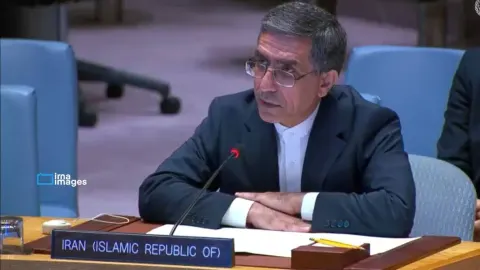
In a series of events that can only be described as a logistical nightmare for organizers, the Iranian national anthem was played incorrectly three times during the Asian Para Games in Japan. Rather than honoring Iranian athletes, the anthem was mistakenly broadcast for competitors from Taiwan and Mongolia. This incident has sparked immediate backlash from Iranian sports officials and the public, who view the error not just as a technical glitch, but as a symbolic lack of respect on the international stage. The Mayor of Nagoya was forced to issue a public apology, but the damage to the event's prestige and the diplomatic friction it caused remain palpable.
For the Iranian government, such incidents are often weaponized to fuel a narrative of international bias, though the reality likely points to a massive failure in Japanese event management. In the context of Iran's current isolation, even a sports-related blunder takes on heightened political significance. It reinforces a sense of "us against the world" among the domestic population, even as the country's athletes continue to perform under immense pressure. This embarrassment comes at a time when Tehran is desperately seeking any form of positive international recognition to counter the narrative of its growing exclusion from global systems.

The Oil Squeeze: Floating Reserves Drained as Blockade Bites
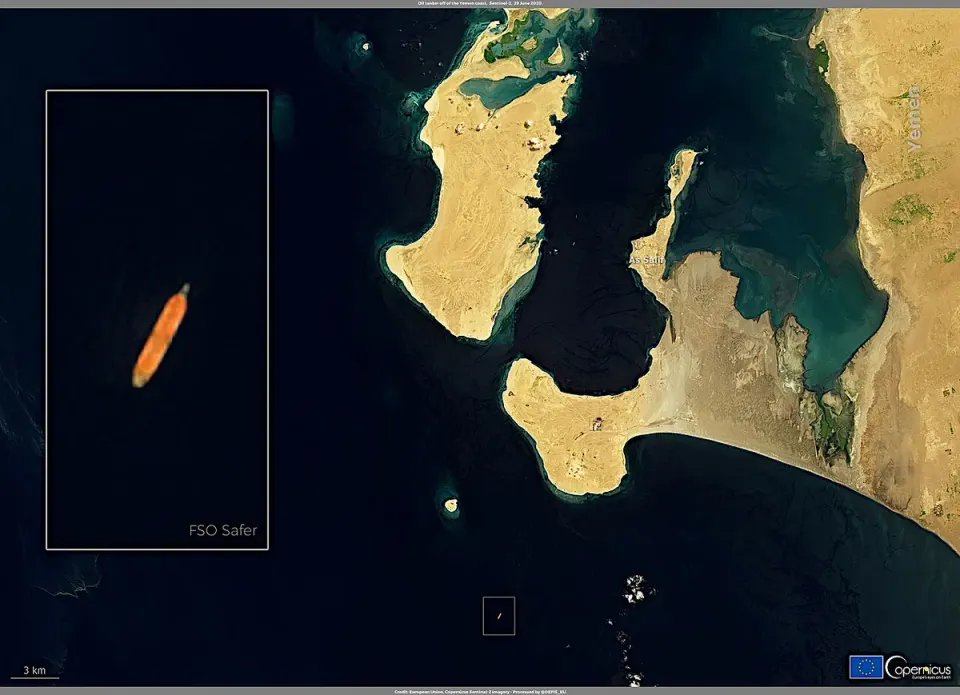
While the anthem story dominated social media, a far more consequential reality is unfolding in the Persian Gulf. New data suggests that Iran’s once-massive floating oil reserves are effectively running dry. Before the United States intensified its naval blockade in April, Iran held nearly 150 million barrels of crude in floating storage. According to recent Kpler data, that number has plummeted to less than 50 million barrels. Analysts suggest that there is essentially no more oil left to discharge to China, Iran’s primary buyer, as the U.S. Navy successfully chokes off the shipping lanes that allowed for illicit or semi-clandestine exports.
This depletion of reserves represents a critical turning point for the Iranian economy. For years, the government relied on these offshore caches to buffer against sanctions and maintain a steady flow of hard currency. With the "cushion" gone, the state is now entirely dependent on daily production, which is increasingly difficult to move past the blockade. This physical shortage of exportable crude is a primary driver behind the 1.3% jump in the USD/IRR rate today, as the market realizes that the government's primary source of foreign exchange is being throttled more effectively than ever before.
Market Turmoil: Oil Surges and the Toman Slides
Global energy markets are reacting violently to new instability in the Middle East, with Brent crude surging above $111 per barrel. This spike followed reports of Houthi strikes on Saudi Arabian targets, which prompted the U.S. government to order non-emergency personnel to leave the Kingdom. While higher oil prices usually benefit exporters, the naval blockade means Iran cannot capitalize on these prices. Instead, the regional tension is driving a "flight to safety" that is crushing the Toman. In Tehran, the USD sell rate moved from 267,600 to 271,200 (+1.3%) in just 24 hours, reflecting a deep-seated fear of impending conflict and further economic contraction.
The domestic gold market has mirrored this anxiety. Emami coins rose by 1.9% to reach 274,000,000 Toman, as local investors abandon the currency in favor of hard assets. Even the crypto market, which has seen Bitcoin consolidate around $82,199, is providing little relief for those looking for a stable hedge. The combination of falling domestic oil supply and rising regional military risk has created a perfect storm for the Iranian consumer, who is watching their purchasing power evaporate as the cost of imports—pegged to the rising dollar—continues to climb.
Diplomatic Desperation: Araghchi’s Plea to Europe
Against this backdrop of economic and logistical failure, Iranian Foreign Minister Abbas Araghchi has stepped up his rhetoric, urging European nations to condemn what he calls "US-Israeli military aggression." This diplomatic push is seen by many analysts as a sign of desperation. Tehran is attempting to drive a wedge between Washington and Brussels, hoping that European fears of a total regional war—and the resulting energy crisis—will lead to a softening of the blockade or a new round of de-escalatory talks. However, with the U.S. doubling down on its maritime presence, the likelihood of European intervention remains slim.
The strategic reality is that Iran is running out of options. The maritime blockade is not just a policy on paper; it is a physical reality that is draining the country's lifeblood. As the government calls for international condemnation, the streets of Tehran are more concerned with the price of bread and the soaring cost of the dollar. The disconnect between the regime's geopolitical posturing and the economic reality of its citizens has never been more stark, as the country heads into a winter of high prices and depleted energy reserves.
Frequently Asked Questions
Why are Iran's floating oil reserves running dry?
What caused the 1.3% jump in the dollar rate today?
What was the anthem incident in Japan?
Understanding Economic Sanctions and Their Far-Reaching Impact
Economic sanctions are punitive measures imposed by one or more countries, or international bodies, against a target country, entity, or individual. Their primary goal is to compel a change in behavior, often related to political actions, human rights violations, nuclear proliferation, or support for terrorism. These measures can take various forms, including trade embargoes, financial restrictions, asset freezes, travel bans, and restrictions on access to international financial systems. Unlike military intervention, sanctions are considered a non-kinetic tool of foreign policy, aiming to exert pressure through economic pain.
For countries heavily reliant on a single commodity, like Iran with oil, sanctions often target their primary export revenues. An "oil blockade," as mentioned in the keywords, refers to restrictions on a country's ability to sell its oil on the international market. This drastically reduces the inflow of foreign currency, particularly US dollars, which are essential for purchasing imported goods and maintaining the value of the domestic currency. When a country cannot earn enough foreign exchange, its national currency (like the Iranian Rial or Toman) depreciates sharply against major international currencies like the USD, leading to a higher "USD/IRR price."
The devaluation of the domestic currency has severe consequences for the everyday citizen. Imports, from essential medicines to consumer goods, become significantly more expensive, fueling inflation and eroding purchasing power. Businesses struggle to access necessary components or technologies, hindering production and investment. This can precipitate a broader "economic crisis," characterized by high unemployment, reduced living standards, and social unrest. While sanctions aim to alter state policy, their burden often falls disproportionately on the general population, creating humanitarian concerns and sometimes leading to unintended political outcomes.