Persian Gulf Tensions Surge as IRGC Reports Ship Attacks; Toman Drops 2% Amid Regional Escalation
تنش در خلیج فارس با گزارش حمله به کشتیهای نفتی؛ سقوط ۲ درصدی ارزش تومان در سایه تهدیدات منطقهای
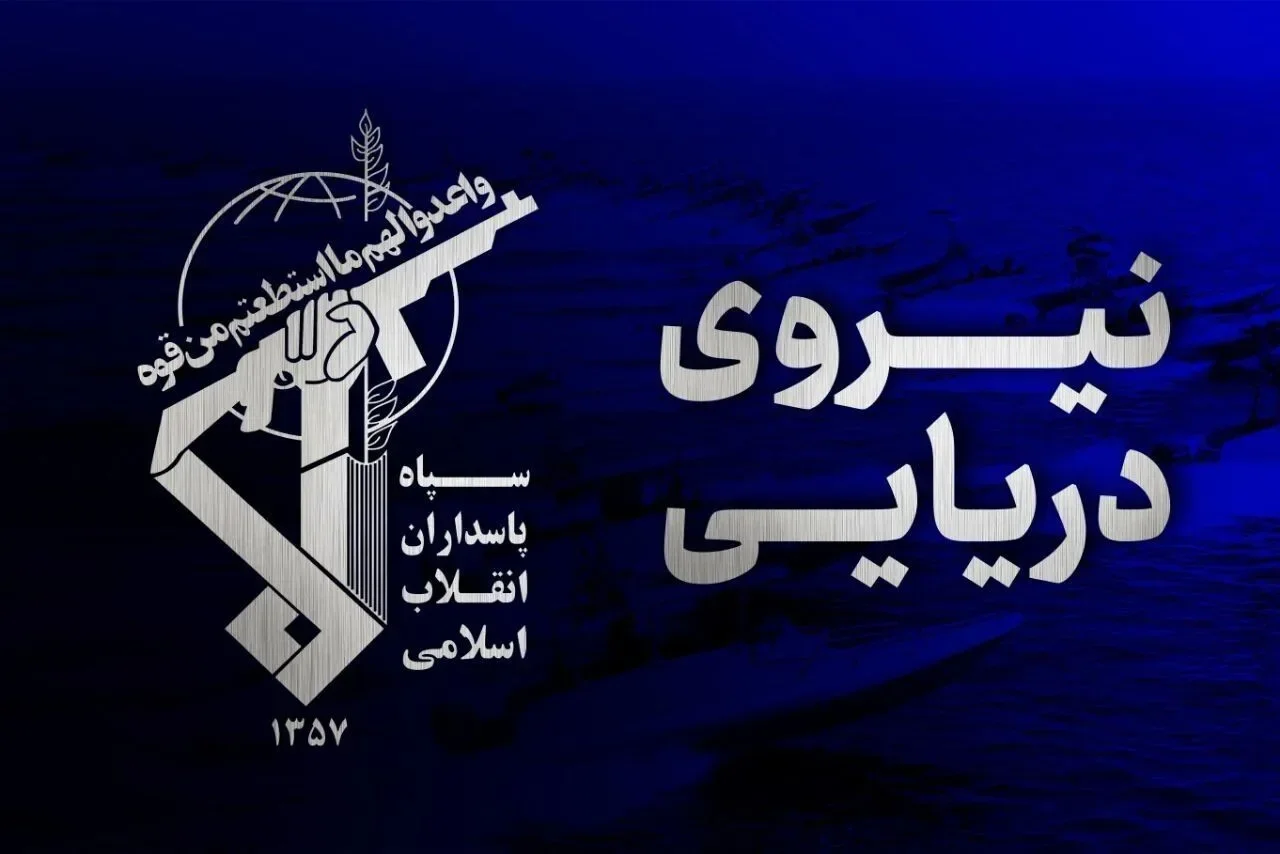
The IRGC Navy reports multiple vessels hit in the Persian Gulf and Strait of Hormuz, sparking immediate market volatility. Meanwhile, Europe faces a wave of youth-led protests over inflation as major banks begin aggressive AI-driven layoffs.
At time of publishing
USD
273,000
Toman
Gold 18K
27.22M
Toman / gram
Bitcoin
$81,946
US Dollar
Tether
270,001
Toman
Escalation in the Persian Gulf: IRGC Reports Maritime Incidents
In a development that has sent shockwaves through energy and currency markets, the Islamic Revolutionary Guard Corps (IRGC) Navy claimed on Thursday that four oil-carrying vessels were hit and caught fire in the northern Persian Gulf. According to reports from Iranian state media, three additional vessels allegedly struck mines west of the Strait of Hormuz. While independent verification of these incidents remains limited, the rhetoric has immediately heightened the risk premium for maritime traffic in the world’s most critical oil chokepoint. This escalation follows recent calls from Qatari and French leaders for the restoration of total freedom of navigation in the region, highlighting a growing international anxiety over the security of energy supply chains.
For Iranian markets, the timing of these reports has been explosive. The US Dollar in Tehran’s open market surged from 267,600 to 273,000 Toman, marking a sharp 2.0% devaluation in a single session. This move reflects a classic flight to safety as domestic investors anticipate potential retaliatory measures or further disruptions to trade. The Emami gold coin followed suit, rising 2.4% to reach 275,500,000 Toman. When maritime security in the Gulf is threatened, the psychological impact on the Toman is often more immediate than the physical impact on oil exports, as the public braces for a new round of geopolitical friction.
Europe’s Summer of Discontent: Protests and Security Councils
Across the European continent, a different kind of instability is taking root. French President Emmanuel Macron has convened an emergency security council meeting ahead of a planned weekend of major protests. While the immediate trigger in France involves deteriorating conditions in education and underfunded infrastructure, the movement is part of a broader "wave of anger" sweeping through Belgium, Italy, Spain, and Albania. Youth-led demonstrations are increasingly targeting the disconnect between stagnant wages and runaway inflation, particularly in the housing sector, where young professionals find themselves priced out of major urban centers.
This domestic unrest is further complicated by the geopolitical shadow of the Ukraine conflict. Ukrainian President Volodymyr Zelenskyy recently reported three waves of ballistic missile attacks on Kyiv, pointedly criticizing international diplomatic efforts that have failed to deter Russian aggression. As European governments struggle to balance their defense commitments with domestic economic grievances, the social contract is fraying. For global observers, these protests signify a pivot point: if mainstream European governments cannot address the cost-of-living crisis, the political vacuum may be filled by more radical, populist movements that could fundamentally reshape the Eurozone’s economic policy.
---
The AI Labor Shift: Barclays Cuts 5,000 Jobs
In the corporate sector, the long-theorized replacement of human labor by artificial intelligence is moving from pilot programs to large-scale execution. Barclays has announced it is cutting approximately 5,000 jobs—roughly 5% of its global workforce—as it increases its reliance on AI-driven automation. This move is a stark reminder that the AI revolution is not just about chatbots and creative tools; it is a fundamental restructuring of the financial services industry. Analysts warn that this is likely the beginning of a trend where legacy institutions use AI integration as a primary lever for cost reduction and margin expansion, often at the expense of traditional middle-office roles.

Meanwhile, the cryptocurrency market is showing signs of exhaustion despite massive institutional interest. Bitcoin ETFs recorded over $1 billion in inflows over the last three days, yet the price of BTC has struggled to maintain its momentum, currently consolidating around $81,946. Market participants are watching the $82,500 support level closely. The failure of tech giants like Tesla and Meta to provide a definitive boost to AI sentiment in their latest updates has dampened the broader appetite for risk assets. For retail investors, the current environment is one of "meme games" and high volatility, where the promise of quick gains is frequently met with sharp corrections as liquidity rotates between traditional tech and emerging digital assets.
Market Impact and the Road Ahead
The convergence of maritime conflict, European social unrest, and a shifting labor market creates a complex backdrop for the final quarter of 2026. In Iran, the 2% jump in the USD/IRR rate suggests that the "war premium" is back in full force. Gold prices are also reflecting this anxiety, with 18k gold rising to 27,217,323 Toman per gram. As long as the situation in the Persian Gulf remains opaque and the IRGC continues to report maritime incidents, the pressure on the Toman is unlikely to subside. Investors are advised to watch the Strait of Hormuz closely, as any confirmed disruption to shipping could trigger a more severe inflationary spiral in the domestic economy.
Frequently Asked Questions
Why did the Toman drop 2% today?
What is the significance of the Barclays layoffs?
What is driving the protests in Europe?
The Strategic Importance of the Strait of Hormuz: A Global Energy Chokepoint
The Strait of Hormuz is a narrow, strategically vital waterway connecting the Persian Gulf to the Arabian Sea and the broader Indian Ocean. At its narrowest point, it is only about 21 nautical miles (39 kilometers) wide, with shipping lanes just two miles wide in each direction. This seemingly small stretch of water holds immense global significance, acting as the sole maritime passage for much of the oil-rich Persian Gulf region to international markets. Understanding its role is key to grasping the ripple effects of regional tensions, such as the reported ship attacks and the subsequent drop in the Toman's value mentioned in the headline.
Economically, the Strait of Hormuz is an irreplaceable global energy chokepoint. An estimated one-fifth of the world's total petroleum consumption and one-third of the world's liquefied natural gas (LNG) pass through this strait daily. This includes exports from major oil and gas producers like Saudi Arabia, Iran, the UAE, Kuwait, Iraq, and Qatar. Any disruption, even a perceived threat, can send shockwaves through global energy markets, leading to volatile oil prices and impacting economies worldwide. The sheer volume of energy transit underscores its critical role in global supply chains and energy security.
Geopolitically, the Strait is a flashpoint due to its strategic vulnerability. The countries bordering the Persian Gulf, particularly Iran, hold significant leverage over this passage. Incidents like reported ship attacks or military posturing can quickly escalate tensions, raising concerns about the free flow of maritime traffic. Such instability directly translates into increased risk premiums for shipping, higher insurance costs, and a general atmosphere of uncertainty that can deter investment and trigger capital flight from the region.
The immediate economic impact highlighted by the Toman's 2% drop following regional escalation is a direct manifestation of this geopolitical risk. Investors and markets react swiftly to perceived threats to global energy supplies and regional stability. A currency's value often reflects the confidence in a nation's economic and political stability. When a critical chokepoint like the Strait of Hormuz faces increased tensions, it signals potential disruptions to trade, higher costs, and broader economic uncertainty, leading to a depreciation of local currencies like the Toman as capital seeks safer havens.