EU Pressures UK for Ukraine Aid Amid Energy Crisis; Bitcoin Slips Below $81.5k as Tech Sell-off Hits Asia
فشار اروپا به بریتانیا برای کمک به اوکراین؛ سقوط بیتکوین به زیر ۸۱ هزار دلار در پی ریزش بازارهای جهانی
EU leaders at a Brussels summit are demanding the UK and other G7 nations increase defense funding for Ukraine as the IEA warns of record-low gas reserves. Meanwhile, a tech sell-off has wiped gains from Asian equities and dragged Bitcoin down from its recent highs.
At time of publishing
USD
272,300
Toman
Gold 18K
26.99M
Toman / gram
Bitcoin
$81,733
US Dollar
Tether
271,622
Toman
EU Demands Increased Defense Funding Amid Geopolitical Shifts
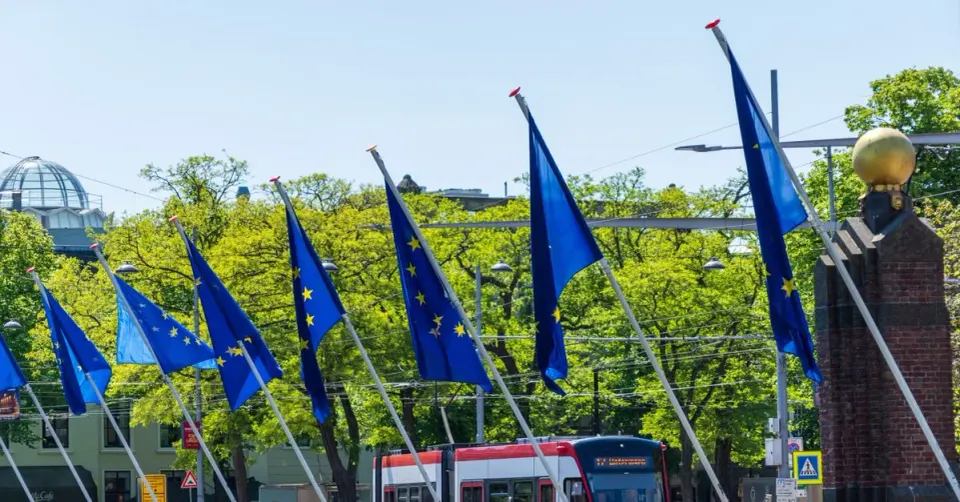
At a high-stakes summit in Brussels, European Union leaders have intensified pressure on the United Kingdom, specifically targeting the administration of Andy Burnham, to significantly increase financial contributions to Ukraine’s defense fund. This demand comes as the conflict in Eastern Europe enters a critical phase in late 2026, with EU officials arguing that traditional G7 partners—including Canada and Japan—have not met their pledged financial obligations. The friction highlights a growing rift in the post-Brexit landscape, where Brussels expects London to 'step up' its role in continental security despite domestic economic pressures and complex diplomatic ties.
The timing of this pressure is not accidental. With the United States' political future remains a constant variable, European capitals are increasingly concerned about a funding vacuum. The EU’s insistence that the UK contribute more to the 2027 defense effort reflects a strategic pivot toward European self-reliance. For global markets, this signifies a period of prolonged fiscal strain for major Western economies, as defense spending begins to crowd out social and infrastructure investment, potentially impacting long-term growth forecasts across the Eurozone and the UK.
Energy Crisis Deepens: IEA Warns of Record Low Gas Reserves
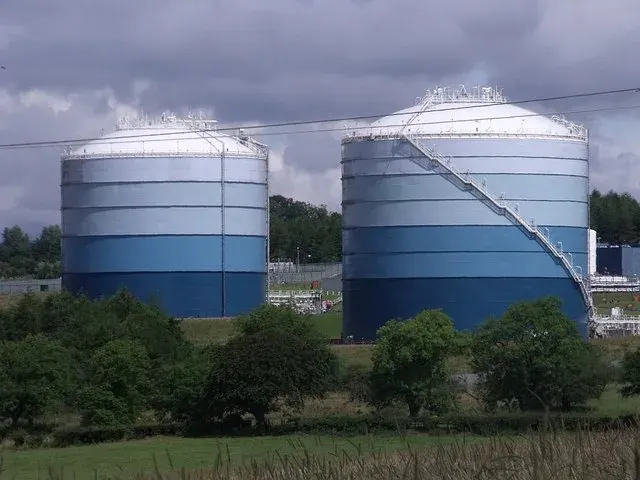
Fatih Birol, the head of the International Energy Agency (IEA), issued a stark warning from Berlin today, stating that Europe is entering the winter season with its lowest natural gas reserves on record. This precarious situation is a direct consequence of the ongoing Iran war, which has severely disrupted energy corridors and shipping lanes in the Middle East, particularly around the Strait of Hormuz. The disruption has forced European nations to scramble for alternative supplies, but the infrastructure for Liquefied Natural Gas (LNG) remains unable to fully compensate for the lost volume, leading to unprecedented volatility in energy markets.
This energy shortage is not just a logistical hurdle; it is a massive inflationary catalyst. As industries face the prospect of energy rationing or exorbitant costs, the ripple effects are being felt in currency markets. The Iranian Toman, while holding steady at 272,300 per USD today, remains under immense pressure as regional instability dictates the flow of capital. For the average consumer, this means that even as gold prices see minor local fluctuations—with 18k gold at 26,986,472 Toman per gram—the underlying cost of living is being driven higher by global energy scarcity and the breakdown of traditional supply chains.
Tech Sell-off Contagion Hits Crypto and Asian Equities
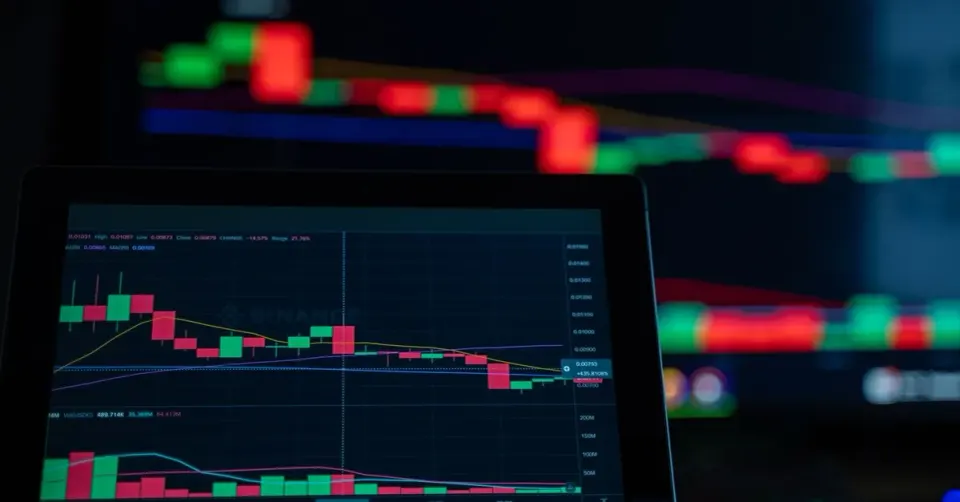
The optimism that fueled the recent rally in digital assets and technology stocks has hit a significant wall. Bitcoin has slid below the $81,500 mark, currently trading at $81,733, as a broad tech stock sell-off that began on Wall Street spread rapidly to Asian markets. South Korea’s Kospi dropped 2.3%, while Japan’s Nikkei 225 fell by 1.6% in early Friday trading. This 'risk-off' sentiment is being driven by disappointing earnings reports and a realization that AI-driven growth may be slowing down faster than anticipated. Investors are rotating out of high-growth assets and seeking safety in cash and precious metals.
Despite the global sell-off, gold continues to hold a position of extreme strength, with the international ounce price sitting at $4,016.20. In the Iranian market, while the 24-hour delta shows a slight decrease of 0.3% in 18k gold prices, the overall trend remains bullish as a hedge against regional war risks. The current market snapshot shows the Emami coin stagnant at 274,000,000 Toman, reflecting a cautious wait-and-see approach among local traders. For crypto enthusiasts, the move below $81,500 is a critical technical signal; if the tech sell-off continues, further liquidations could be on the horizon, testing the resilience of the $80,000 support level.
Grassroots Resistance: The Student Movement in Serbia
Beyond the financial markets, a significant geopolitical shift is occurring in the Balkans. A leaderless student group, known as the 'Student List,' is mounting a formidable challenge to the 12-year rule of Aleksandar Vučić in Serbia. Born out of public fury following the tragic Novi Sad station collapse, this movement has evolved from localized protests into a national political force ahead of Sunday's elections. The movement represents a broader trend across Europe where younger generations, frustrated by the cost of living and perceived state corruption, are bypassing traditional political parties to demand systemic change.
This unrest in Serbia is a microcosm of the pressures facing many mid-tier economies in 2026. As the apparatus of the state struggles to maintain control over information and public sentiment in the age of decentralized communication, the outcome of the Serbian election could serve as a bellwether for other regions. For global observers, the stability of the Balkans is crucial for European security; any significant political upheaval in Belgrade could further complicate the already fragile geopolitical landscape, adding another layer of uncertainty to a world already grappling with war in the Middle East and Eastern Europe.
Frequently Asked Questions
Why is the EU asking the UK for more money for Ukraine now?
How does the Iran war affect European gas reserves?
Why did Bitcoin drop when gold is at record highs?
What is the significance of the $4,000 gold price?
Understanding Geopolitical Risk in a Volatile World
In an increasingly interconnected world, events far from home can send ripples across global markets and economies. The concept that ties together seemingly disparate headlines—from aid for Ukraine and warnings about gas supplies to tech stock sell-offs and bitcoin drops—is Geopolitical Risk. This term refers to the potential for political events, conflicts, or instabilities between nations or regions to impact global economic stability, financial markets, and specific industries. It encompasses everything from wars and trade disputes to sanctions and political unrest, acting as a significant driver of uncertainty for businesses, investors, and governments alike.
Geopolitical risks manifest in various ways, directly affecting critical sectors. For instance, the ongoing conflict in Ukraine has not only necessitated significant defense funding but has also sent shockwaves through energy markets. Disruptions to supply chains, potential sanctions on energy producers, and heightened demand for alternative sources can lead to warnings from bodies like the IEA about gas supplies, impacting consumers and industries globally. Similarly, the strategic importance of choke points like the Strait of Hormuz underscores how regional tensions can threaten global oil flows, directly influencing energy prices and security.
On the financial front, geopolitical instability often triggers a flight to safety among investors. When uncertainty reigns, riskier assets like technology stocks and cryptocurrencies (such as Bitcoin) tend to experience sell-offs, as investors become more cautious and withdraw capital. Conversely, traditionally stable assets like gold, often seen as a safe haven, may see their prices rise as demand increases. This shift in investment behavior reflects a broader lack of confidence in future economic stability, directly impacting market valuations and capital allocation.
Understanding geopolitical risk is crucial for navigating today's complex global landscape. It helps explain why political decisions and conflicts can have immediate and far-reaching economic consequences, influencing everything from the price at the gas pump to the value of your investment portfolio. For policymakers, it necessitates careful diplomacy and strategic planning; for businesses, it demands robust risk management; and for individuals, it provides a framework for comprehending the forces shaping our economic realities.