Europe Shifts to 'War Economy' as Araghchi Claims $11B US Shield for Israel; Bitcoin Squeezed at $81k
چرخش اروپا به سمت اقتصاد جنگی؛ ادعای عراقچی درباره هزینه ۱۱ میلیارد دلاری آمریکا برای اسرائیل
Europe is being urged to mobilize its industrial power for a 'war economy' amid declining US certainty. Meanwhile, Iran's Foreign Minister claims massive US spending on Israeli defense, and Bitcoin faces a critical technical squeeze at the $81,000 level.
At time of publishing
USD
272,300
Toman
Gold 18K
26.99M
Toman / gram
Bitcoin
$81,642
US Dollar
Tether
272,002.104
Toman
The Strategic Pivot: Europe Braces for a 'War Economy'
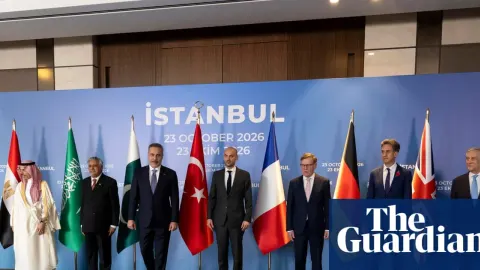
As of 11:00 Tehran time on Friday, October 23, 2026, the geopolitical landscape is shifting toward a more militarized industrial footing. Reports from Brussels and major European capitals indicate a growing consensus that the continent must transition to a "war economy" to ensure its long-term survival. This movement is driven by the increasing uncertainty surrounding United States security guarantees. For decades, Europe has relied on the American nuclear and conventional umbrella, but shifting political winds in Washington have forced European leaders to realize that they must mobilize their own financial and industrial power to defend their borders and interests.
This transition is not merely about increased military spending; it represents a fundamental restructuring of European priorities. A war economy implies that the state takes a more active role in directing industrial production, prioritizing defense contracts over civilian goods, and securing supply chains for critical minerals and energy. For the global economy, this means a potential diversion of billions of Euros from social programs and green energy initiatives toward the defense sector. For Iran and the Middle East, a more self-reliant and militarized Europe could lead to a more assertive foreign policy, potentially altering the dynamics of sanctions enforcement and diplomatic negotiations.
Regional Tensions: Araghchi Highlights the Cost of Missile Defense
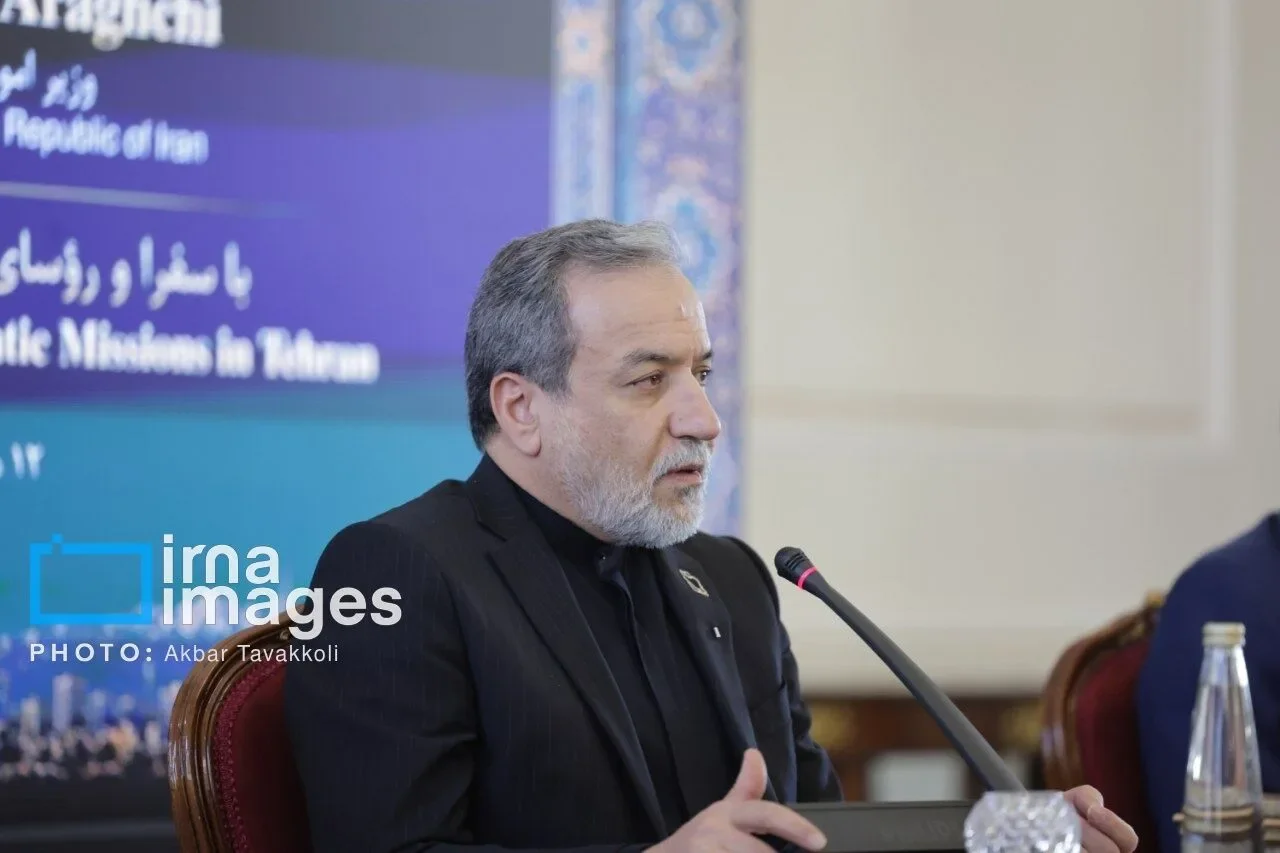
In Tehran, Foreign Minister Abbas Araghchi has brought attention to the staggering financial scale of regional conflict. According to reports from the state-run IRNA news agency, Araghchi claimed that the United States has spent approximately $11 billion in taxpayer funds over the last three years solely on missile defense systems for Israel. This statement comes at a time of heightened regional tension and serves as a narrative tool for the Iranian government to highlight what it describes as the "unlimited support" provided by Washington to its primary regional adversary. By framing the conflict in terms of massive financial costs, the Iranian leadership is attempting to appeal to international critics of US military spending.
From an economic perspective, these claims underscore the immense resources being poured into the regional arms race. While the $11 billion figure is provided by the Iranian government and has not been independently verified by international auditors, it reflects the high-stakes environment in which regional actors are operating. For the Iranian public, such statements often coincide with periods of currency volatility, as the perception of escalating conflict can drive demand for safe-haven assets. However, as of today, the USD/IRR rate has remained stable at 272,300 Toman, showing a 0.0% change over the last 24 hours, suggesting that the market has already priced in much of the current regional rhetoric.
Global Shocks: Tibet Earthquake and Brazil's Political Crossroads
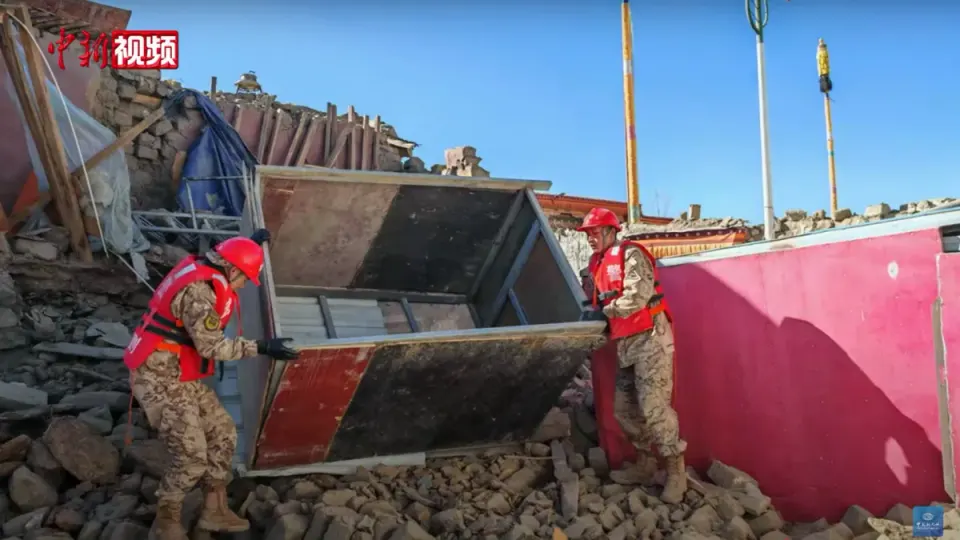
Beyond the Middle East, two major events are capturing global attention. In Tibet, a powerful 7.0-magnitude earthquake has struck, resulting in at least 16 confirmed deaths and dozens of injuries. State media reports indicate that over 300 homes have been toppled, forcing residents into the freezing night air. Natural disasters of this magnitude in China often have ripple effects on regional logistics and can impact the production of specific raw materials, though the primary concern remains the humanitarian crisis unfolding in the high-altitude region.
Simultaneously, the political landscape of Latin America is on the verge of a major shift. Brazil is heading into a runoff election on October 25 that pits the son of former president Jair Bolsonaro, Flavio Bolsonaro, against the incumbent Luiz Inacio Lula da Silva. After a first round where the younger Bolsonaro led by over two million votes, the second round is being watched as a bellwether for the "Pink Tide" in South America. The outcome will likely dictate Brazil's future trade relations with the BRICS bloc and its stance on global environmental and economic policies, which could indirectly affect global commodity markets and oil demand.
Markets and Crypto: Bitcoin's Support-Resistance Squeeze
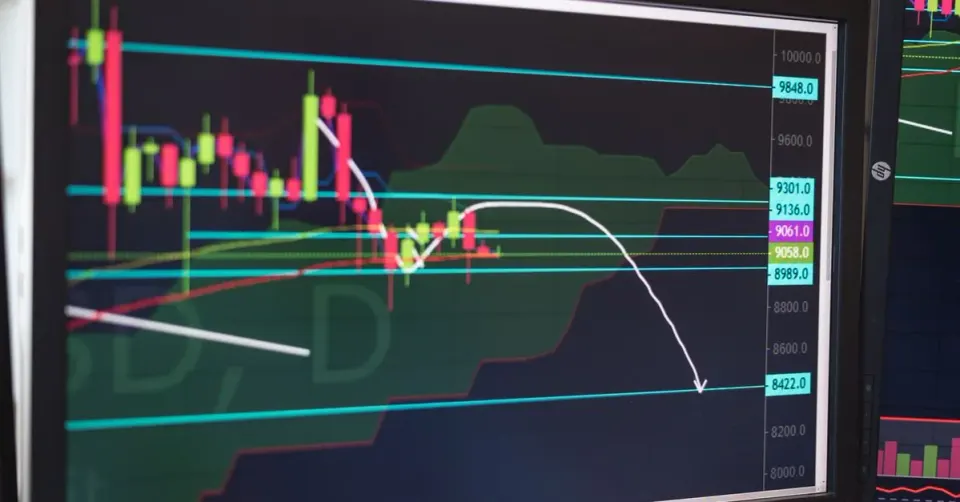
In the financial markets, Bitcoin is currently caught in a tight technical range. The digital asset is trading at $81,642, wedged between a significant support-resistance squeeze near the $81,788 level. This "squeeze" often precedes a major breakout or breakdown, as traders wait for a clear signal from global economic data or tech sector earnings. The recent outflow of $635 million from Bitcoin ETFs suggests a cooling of institutional appetite, which has kept the price from reclaiming its previous highs. Investors are currently weighing the risks of a broader tech rout against the potential for Bitcoin to act as a hedge against geopolitical instability.
On the domestic front in Iran, gold prices have seen a slight softening. Gold 18k per gram moved from 27,071,886 to 26,991,089 Toman, representing a -0.3% decrease over the last 24 hours. Despite the global gold ounce price remaining high at $4,017.70, the local market's slight dip reflects a minor correction after recent gains. The Emami coin remains unchanged at 274,000,000 Toman. For Iranian investors, the combination of a stable dollar and slightly lower gold prices may provide a temporary window for portfolio rebalancing, though the overarching narrative remains focused on the potential for regional escalation and the shifting global order.
Frequently Asked Questions
What does a 'war economy' mean for Europe?
Why is the $11 billion figure for Israeli defense significant?
How is the Bitcoin market reacting to current global tensions?
Understanding a War Economy
A "War Economy" describes the state of a country's economic system when it is heavily geared towards supporting a military conflict or preparing for one. Its defining characteristic is a significant shift in national resources and industrial capacity from civilian production to military production. Governments typically exert greater control over industries, supply chains, and labor to prioritize the manufacturing of weapons, ammunition, military vehicles, and other defense-related goods. This often involves central planning, rationing, and redirection of raw materials and skilled labor towards strategic sectors.
The adoption of a war economy is usually driven by urgent national security concerns, such as an ongoing armed conflict, a credible threat of war, or a sustained period of geopolitical tension requiring robust defense capabilities. The primary objective is to maximize military output and sustain combat operations, often at the expense of consumer goods and services. This transformation can lead to rapid industrial expansion in specific sectors, fostering innovation in military technology, but it also necessitates a populace willing to make sacrifices, as resources become scarce and daily life is impacted.
Economically, a war economy brings both challenges and transformations. While it can stimulate employment in defense industries and drive technological advancements, it often results in inflation due to increased government spending and reduced availability of consumer goods. Public debt tends to soar as governments borrow heavily to finance military expenditures. For citizens, it can mean rationing of essential goods, wage controls, and a general tightening of belts. The long-term effects can include a restructuring of the industrial base, potentially leading to post-war economic adjustments as the focus shifts back to civilian production, or a sustained military-industrial complex if geopolitical tensions persist.