Tehran Warns Against 'Easy Victory' Delusions as Global Oil Reserves Hit Multi-Decade Lows; Bitcoin Slips to $81k
هشدار تهران به «توهم پیروزی آسان» همزمان با بحران ذخایر نفت؛ بیتکوین به مرز ۸۱ هزار دلار عقبنشینی کرد
Iran's Foreign Ministry has invoked historical precedents to warn adversaries against underestimating its defense, while energy analysts fear global oil buffers are insufficient for a major conflict. Meanwhile, Bitcoin ETFs saw a massive $635 million outflow as geopolitical tensions weigh on risk assets.
At time of publishing
USD
272,700
Toman
Gold 18K
26.94M
Toman / gram
Bitcoin
$81,716
US Dollar
Tether
272,406.848
Toman
Tehran’s Historical Warning and the Fragility of Global Energy
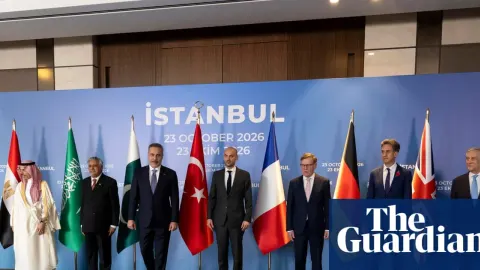
In a sharp escalation of rhetoric at 12:00 Tehran time on Friday, October 23, 2026, Iranian Foreign Ministry spokesperson Esmail Baqaei issued a stern warning to those he termed "aggressors." Invoking the writings of an 11th-century Persian historian, Baqaei argued that any adversary expecting a swift or easy victory over Iran would instead face humiliation and defeat. This statement isn't just poetic flourish; it signals a hardening of the Islamic Republic's diplomatic stance at a time when regional tensions are at a boiling point. By referencing historical resilience, Tehran is attempting to project a sense of strategic depth and psychological preparedness, essentially telling global powers that conventional military calculations may fail to account for the nation's defensive resolve.
This rhetorical defiance comes at a moment when the global energy market is uniquely vulnerable. According to recent analysis, global strategic oil reserves have dwindled to multi-decade lows. If a conflict were to disrupt the Strait of Hormuz—the world's most vital oil artery—analysts warn that the international community might only have one to two months of supply before facing a catastrophic shortage. The intersection of Tehran’s warnings and these thin energy margins creates a volatile environment for the Iranian Toman. While the USD/IRR rate moved only slightly from 272,300 to 272,700 (+0.1%), the underlying anxiety regarding potential supply shocks remains a primary driver of currency expectations among local traders.
The Starlink Standoff: Trump, Musk, and the Ukraine Front
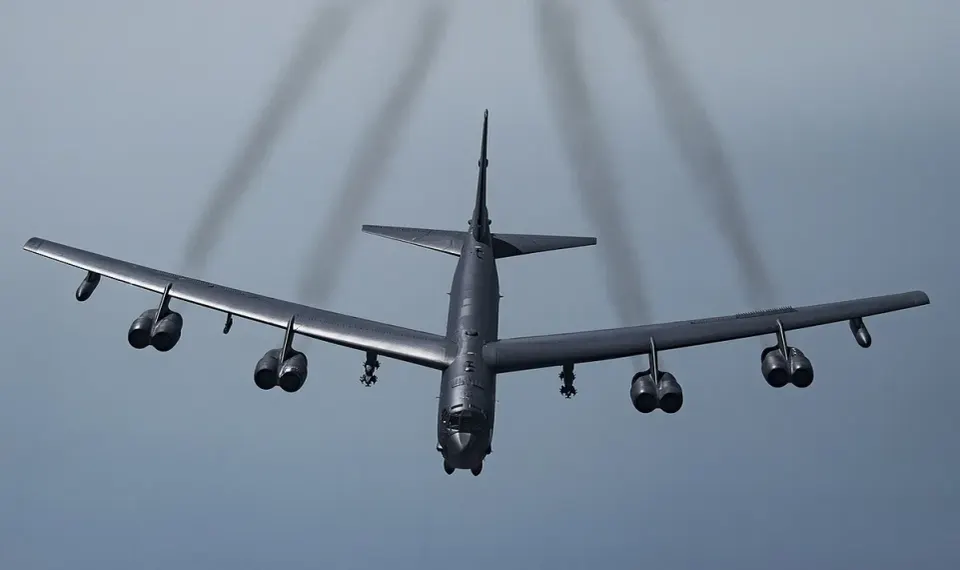
Geopolitical complexity has deepened following reports that Starlink access for Ukrainian forces remains severely limited, despite recent claims by Donald Trump that the satellite service had been fully restored. Officials indicate that the service is currently operating at a capped speed of approximately 161km/hr, a limitation that significantly hampers the effectiveness of high-speed air defenses and drone operations. While Trump’s rhetoric suggested a private intervention to bolster capabilities, the reality on the ground reflects a more nuanced and restrictive policy dictated by the U.S. military and the executive branch. This discrepancy highlights the growing friction between private tech infrastructure and state-led military strategy, where Elon Musk’s SpaceX finds itself caught between political promises and Pentagon directives.
For global markets, this story is a reminder of the "technological volatility" that now accompanies modern warfare. The ability of a private company to dictate the operational capacity of a nation's defense—or for a political figure to misrepresent that capacity—adds a layer of unpredictability to international relations. Investors are closely watching how these developments impact broader defense spending and the reliability of satellite-based communications in conflict zones. The situation underscores a shift where private sector assets are no longer just tools of commerce but are frontline variables in the global balance of power, influencing everything from tech stocks to regional security alliances.
---
Europe’s Dual Crisis: Economic Contraction and Climate Chaos
Western Europe is currently grappling with a punishing combination of economic data and extreme weather events. In Great Britain, retail sales fell by 0.4% in September, a much steeper decline than the 0.1% contraction economists had anticipated. This downturn comes at a sensitive time for the UK government, as Chancellor John Healey prepares to announce a high-stakes budget next week. Struggling households are visibly cutting back on non-essential spending, signaling that the cost-of-living crisis is far from over. This economic cooling in the UK is mirrored by broader concerns across the continent regarding growth and inflation, creating a gloomy backdrop for European equities and the British Pound.

Simultaneously, Southern Europe is facing a climate emergency. Storm Adam has devastated parts of eastern Spain, specifically Valencia and Alicante, where over 600mm of rain fell in a single day. The resulting floods have claimed lives and forced thousands of evacuations, paralyzing local infrastructure and agriculture. While the UK also faces its first named storm of the winter, Storm Austen, the severity of the Spanish floods has raised urgent questions about urban resilience and the long-term economic costs of climate change. The immediate impact is a disruption of supply chains and a surge in emergency spending, further straining national budgets that are already under pressure from high interest rates and sluggish productivity.
Market Realities: Bitcoin’s Retreat and Gold’s Stability
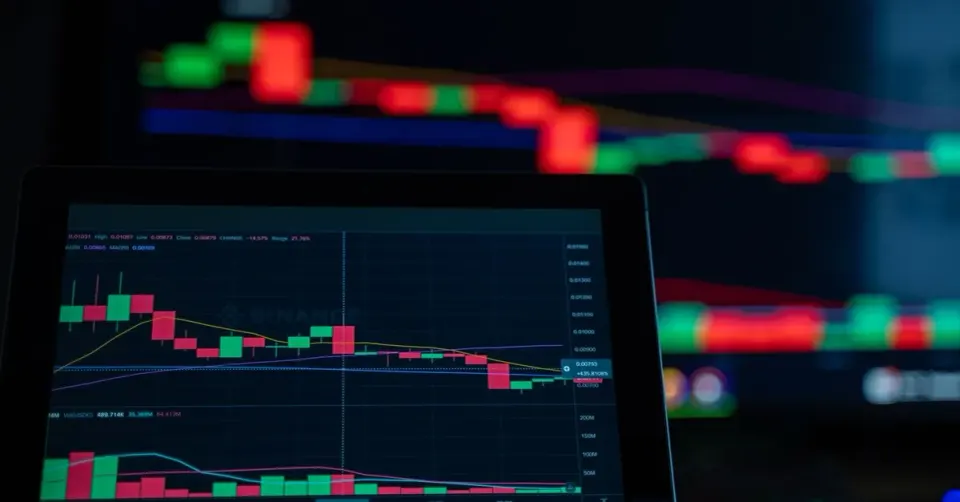
In the financial markets, the "Uptober" rally has hit a significant roadblock. Bitcoin (BTC) has slipped to $81,716 as a broader sell-off in the technology sector and rising geopolitical risks dent investor appetite for high-beta assets. Perhaps most concerning for crypto bulls is the massive $635 million outflow from U.S. spot Bitcoin ETFs on Thursday, ending a brief streak of inflows. This suggests that institutional investors are de-risking in the face of uncertainty, preferring the sidelines as the U.S. election nears and regional conflicts persist. The crypto market's sensitivity to macroeconomic liquidity is once again on full display, as the initial excitement over record highs gives way to a more cautious, data-dependent trading environment.
Domestically in Iran, the gold market shows a rare moment of relative calm despite the global turbulence. The Emami coin remained flat at 274,000,000 Toman, while 18k gold per gram saw a slight decrease of 0.5%, moving from 27,071,886 to 26,940,301 Toman. This minor correction in gold prices, even as global spot gold remains near historic highs at $4,017.90 per ounce, suggests a temporary saturation in local demand or a stabilization of the Toman's immediate volatility. However, with global oil stocks at record lows and military rhetoric heating up, the underlying pressure on safe-haven assets remains intense. Investors are advised to watch the $80,000 level for Bitcoin and the 275,000,000 Toman resistance for the Emami coin as key indicators of the next major market move.
Frequently Asked Questions
Why did the Iranian Foreign Ministry use historical references in its warning?
How long can the world survive if the Strait of Hormuz is closed?
Why is Bitcoin falling despite the 'Uptober' expectations?
What is the situation with Starlink in Ukraine?
The Geopolitical Significance of Oil Chokepoints: Understanding the Strait of Hormuz
Oil chokepoints are narrow maritime passages that are crucial for the global transportation of crude oil and refined petroleum products. These strategic bottlenecks, often natural geographic features like straits or canals, concentrate a disproportionately large volume of global energy trade through limited pathways. Their importance stems from the fact that any disruption, whether due to conflict, piracy, or natural disaster, can have immediate and far-reaching consequences on global oil supply, pricing, and economic stability. Understanding these chokepoints is key to comprehending the intricate relationship between geopolitics and energy security.
The Strait of Hormuz stands out as arguably the world's most critical oil chokepoint. Situated between Oman and Iran, it connects the Persian Gulf—home to some of the world's largest oil producers, including Saudi Arabia, Iran, UAE, Kuwait, and Iraq—to the open ocean. Approximately one-fifth of the world's total petroleum liquids consumption, and a third of all seaborne traded oil, passes through this strait daily. Its narrowest point is just 21 nautical miles wide, making it highly susceptible to disruption, which could severely impact global energy markets and spark international crises.
Given its strategic location and the sheer volume of oil passing through it, the Strait of Hormuz is a perpetual flashpoint for geopolitical tensions. Warnings from nations like Iran regarding 'easy victory' delusions, particularly in the context of global oil reserves hitting multi-decade lows, underscore the potential for any escalation in the region to have devastating global economic repercussions. A closure or significant disruption of the Strait, even temporarily, would not only send oil prices soaring but could also trigger a global recession, highlighting the immense leverage held by states bordering such vital energy arteries.