Oil Surges to 5-Month High on Iran Tensions; Toman Steady Amid Market Jitters
نفت به اوج ۵ ماهه رسید؛ تنش با ایران بازارها را متلاطم کرد، تومان ثابت ماند
Global oil prices have surged to a five-month peak as fears mount over renewed US strikes on Iran, potentially disrupting critical energy supplies. Meanwhile, the Iranian Toman has shown resilience, holding steady against major currencies despite broader market anxieties. The IAEA's call for an end to selective statute implementation also adds a layer of diplomatic complexity.
At time of publishing
USD
272,600
Toman
Gold 18K
26.92M
Toman / gram
Bitcoin
$81,651
US Dollar
Tether
272,861
Toman
Oil Prices Spike on Renewed Iran Tensions
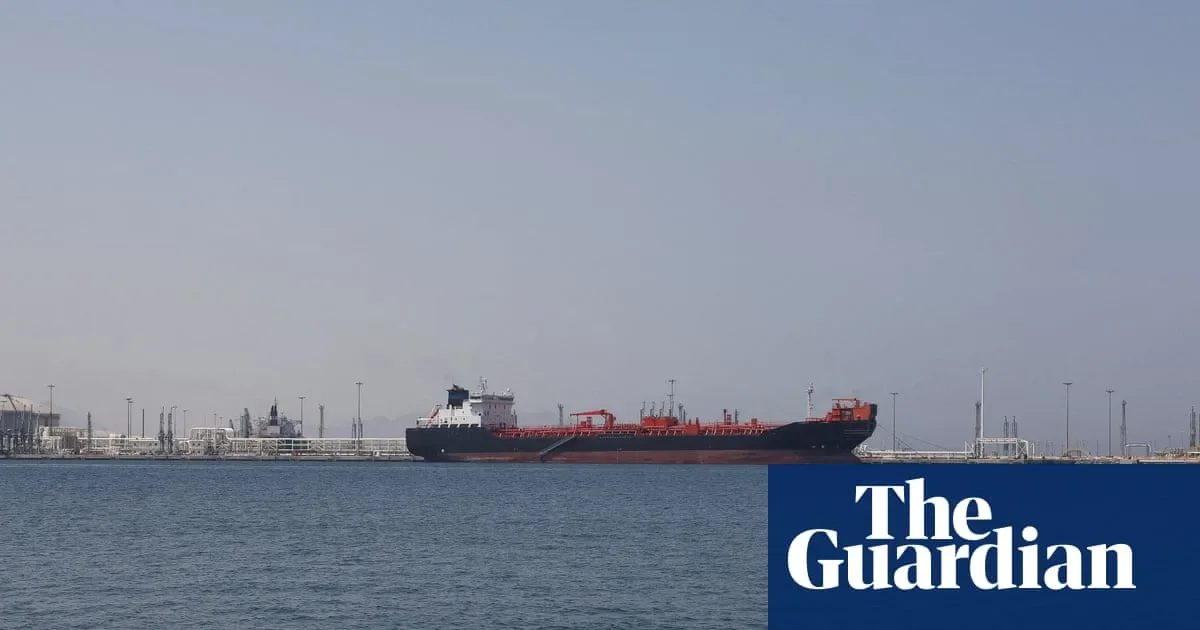
Global oil benchmarks have reached a five-month high, with Brent crude breaching $114.72 a barrel. This surge is directly linked to escalating fears that the United States might renew strikes against Iran, a development that could severely disrupt energy supplies from the Middle East. The prospect of further conflict in the region has sent shockwaves through energy markets, driving up prices as traders anticipate potential supply disruptions and increased geopolitical risk.
This heightened tension comes as Iran itself has threatened retaliatory attacks on Gulf oil and tech facilities, further amplifying concerns about regional stability. The market's reaction underscores the delicate balance of power and supply in the oil sector, where any hint of escalation can have immediate and significant price impacts. The rise in oil prices has broader implications for the global economy, potentially fueling inflation and impacting transportation costs worldwide, while also creating a more volatile environment for nations heavily reliant on energy imports.
---
Toman Holds Firm Amidst Global Market Volatility
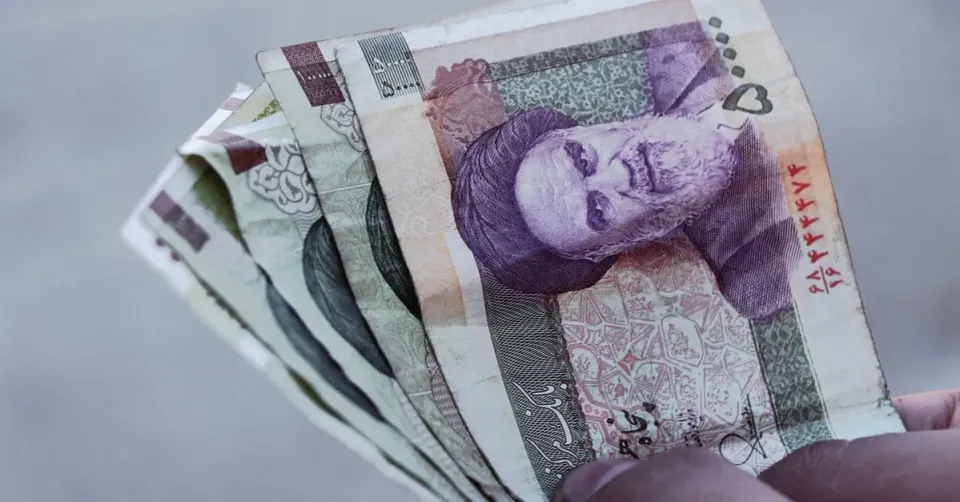
Despite the significant geopolitical tremors shaking global energy markets, the Iranian Toman has demonstrated remarkable stability. The sell price for USD against the Toman remains at 272,600, with a buy price of 270,987, indicating no substantial depreciation over the past 24 hours, with a marginal 0.1% increase from 272,300. This resilience suggests that domestic economic factors or perhaps a degree of market confidence are currently buffering the currency against external shocks, at least in the short term.
The stability of the Toman, even as oil prices soar due to Iran-related tensions, is noteworthy. While higher oil prices could theoretically boost government revenue, the underlying threat of renewed conflict and potential sanctions looms large. The market's current assessment appears to be that the immediate impact on the Toman is being contained, possibly due to robust demand for foreign currency at the current rates or an expectation that the situation will not escalate to a point of severe economic damage. However, sustained geopolitical instability could eventually test this stability.
---
IAEA Statute Dispute Adds Diplomatic Layer
Adding another dimension to the complex regional landscape, Iran's permanent mission to the UN in Vienna has issued a statement demanding an end to what it describes as the selective and politically motivated implementation of the International Atomic Energy Agency's (IAEA) statute. This call comes on the 70th anniversary of the statute's approval, highlighting Iran's ongoing grievances regarding international oversight and its perceived unfair treatment.
The demand signifies Iran's assertion of its rights and its critique of how international bodies operate, particularly concerning its nuclear program. By framing the implementation as 'selective' and 'politically motivated,' Tehran is attempting to shift the narrative and potentially garner broader international sympathy or at least sow discord among IAEA member states. This diplomatic maneuver could influence ongoing negotiations or IAEA board decisions, adding another layer of complexity to the already tense geopolitical situation involving Iran and Western powers.
---
US Politics and the Echoes of Conflict
While not directly impacting markets or the Toman's immediate stability, former President Trump's planned rally in Florida serves as a backdrop to the ongoing geopolitical narratives. His campaign activities, particularly any rhetoric concerning foreign policy or international relations, can subtly influence market sentiment and perceptions of future US actions. The news highlights that even domestic political theater is unfolding against a backdrop of significant international tension, where US foreign policy decisions, past and potential, are central to global market movements.
The juxtaposition of Trump's political activities with the rising oil prices and tensions surrounding Iran underscores a broader theme: the interconnectedness of domestic politics, international relations, and global economic stability. While the rally itself may not have immediate market consequences, the underlying sentiment and potential policy shifts it represents are always a factor in the complex calculus of global risk assessment. This means that even seemingly localized political events can contribute to the overall atmosphere of uncertainty that affects markets worldwide.

Frequently Asked Questions
What is causing the recent spike in oil prices?
How is the Iranian Toman performing against major currencies?
What is Iran's latest statement regarding the IAEA?
Are there any significant US political developments mentioned?
Understanding the Geopolitical Risk Premium in Oil Prices
When global headlines report rising oil prices due to international tensions, it's often a manifestation of the Geopolitical Risk Premium. This concept refers to the additional cost built into the price of a commodity, particularly oil, due to perceived or actual political instability, conflicts, or threats to supply in critical producing regions. It's essentially an insurance premium that traders and investors add to the price, reflecting the increased uncertainty and potential for future supply disruptions.
The mechanism behind this premium is rooted in supply and demand dynamics. Major oil-producing regions, such as the Middle East, are often centers of geopolitical complexity. When tensions escalate—for instance, involving key players like Iran or impacting vital shipping lanes like the Strait of Hormuz—the market anticipates that future oil supply could be curtailed, either through direct conflict, sanctions, or sabotage. This anticipation, rather than an immediate physical shortage, drives up prices as buyers are willing to pay more to secure future supply, and sellers demand more for a commodity whose availability might become uncertain.
This premium is not based on current supply shortages but on the fear of future ones. Speculators, hedgers, and even national strategic reserves react to news of escalating tensions, leading to increased demand for future oil contracts. The headline's mention of "Iran Tensions" and "Oil Surges" perfectly illustrates this phenomenon: the market is pricing in the risk that political events could disrupt the flow of a significant portion of the world's oil supply, even if that disruption hasn't occurred yet.
Understanding the geopolitical risk premium is crucial for anyone trying to decipher global energy markets. It explains why oil prices can be highly volatile, reacting swiftly to political rhetoric, diplomatic standoffs, or military maneuvers, even when fundamental supply and demand figures remain relatively stable. It highlights the intricate link between global politics and the everyday cost of energy.