Netanyahu Orders Major West Bank Offensive as Oil Surges to $115 Amid Regional Escalation
فرمان نتانیاهو برای عملیات گسترده در کرانه باختری؛ جهش قیمت نفت به ۱۱۵ دلار در پی تنشهای منطقهای
Israeli Prime Minister Benjamin Netanyahu has ordered a massive military operation in the West Bank following a deadly checkpoint clash, while global oil prices have spiked to a five-month high of $115 per barrel. As regional tensions boil over, markets are grappling with increased risk and the psychological toll of prolonged conflict on both sides.
At time of publishing
USD
272,400
Toman
Gold 18K
26.70M
Toman / gram
Bitcoin
$81,277
US Dollar
Tether
272,113.435
Toman
Netanyahu Escalates West Bank Operations Amid Election Pressure
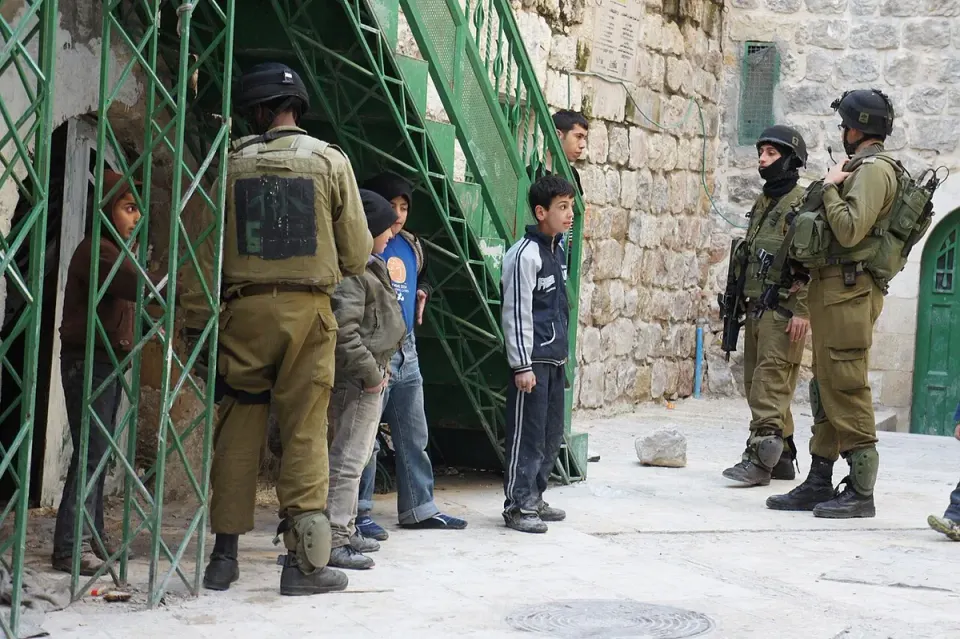
Israeli Prime Minister Benjamin Netanyahu has officially ordered the military to prepare for a "very extensive" operation in the occupied West Bank. This decision follows a deadly exchange of fire near Hebron that left two Israeli soldiers and two Palestinians dead. The timing is particularly sensitive as Israel approaches a crucial general election next week. Netanyahu's directive includes house-to-house searches and the demolition of homes, a scale of military intervention not seen in the territory for decades. The move is widely viewed as a response to domestic pressure to project strength, yet it carries the risk of igniting a broader uprising in a region already stretched thin by years of conflict. Beyond the immediate tactical goals, the human cost of these prolonged campaigns is becoming a central theme in the national discourse. Reports indicate a drastic rise in post-traumatic stress disorder (PTSD) among Israeli soldiers returning from Gaza and Lebanon. Many veterans are speaking out about the psychological trauma of urban warfare, questioning whether the military victories are delivering the promised security. This internal friction is creating a complex backdrop for the upcoming vote, where the narrative of 'total victory' is increasingly clashing with the lived reality of those on the front lines.
Oil Prices Surge to $115 as Energy Markets Brace for Impact
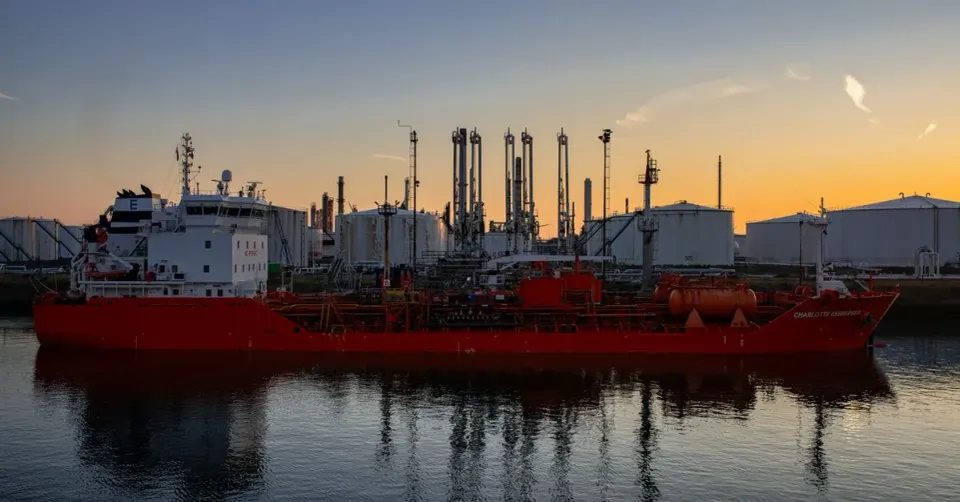
Global energy markets are reacting sharply to the heightening tensions in the Middle East, with Brent crude rising 1% on Friday morning to surpass the $115 per barrel mark. This represents the highest price level since May, driven by fears that the United States might renew strikes on Iranian targets or that retaliatory attacks could hit critical Gulf refineries and data centers. The market is currently pricing in a significant 'geopolitical risk premium,' as traders worry about the stability of shipping lanes in the Strait of Hormuz and the potential for a wider regional conflagration that could disrupt global supply chains. Furthermore, analysts are pointing to a 'hidden cost' of approximately $40 per barrel that is driving prices higher behind the scenes. This cost is largely attributed to the soaring expenses of transportation and logistics in high-risk zones. As shipping insurance premiums skyrocket and vessels are forced to take longer, safer routes to avoid conflict areas, the end-user price of crude is being pushed up regardless of actual production levels. For countries like Iran, this environment creates a volatile mix of potential revenue gains from higher prices and the severe logistical hurdles imposed by sanctions and increased monitoring of maritime trade.
Bitcoin Consolidates at $81k as AI Fears Dampen Risk Appetite
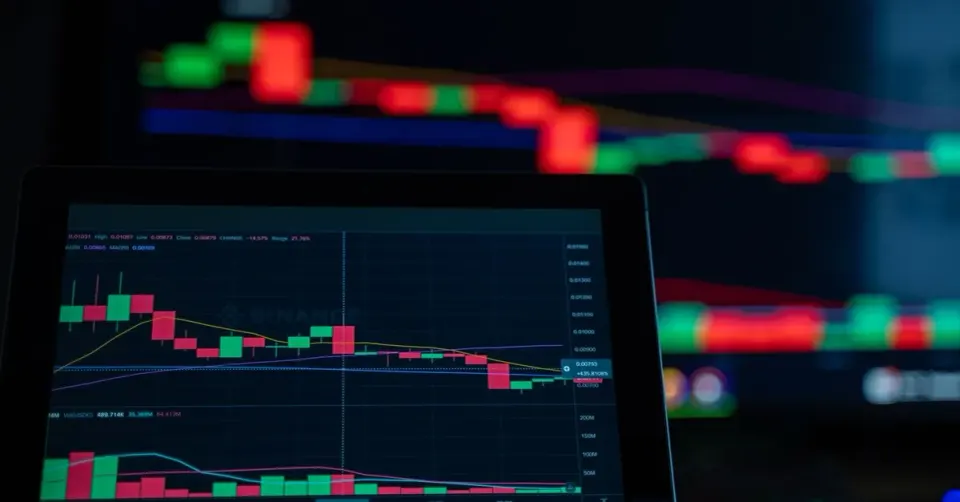
In the financial markets, Bitcoin and other digital assets are struggling to find upward momentum, with the leading cryptocurrency consolidating around the $81,277 level after a recent 3% loss. The broader 'risk-off' sentiment is being fueled not only by Middle Eastern instability but also by resurgent fears in the tech sector regarding the overvaluation of Artificial Intelligence companies. As stock markets in Asia and Europe face weakness due to cooling AI enthusiasm, crypto investors are retreating to the sidelines, waiting for a clearer signal before committing new capital. This stagnation reflects a growing caution among institutional players who are balancing the allure of digital gold against the immediate threats of regional war and high interest rates. Despite the price lull, the infrastructure of the crypto world continues to evolve. For instance, the Phantom wallet has recently integrated Kalshi prediction markets for US users, allowing them to trade on real-world outcomes using stablecoins. This move highlights a shift toward utility-driven crypto applications even during periods of price volatility. For Iranian users, the stability of the USD/Toman rate—which held steady at 272,400 today—provides a temporary anchor, though the 1.4% drop in domestic gold prices (now at 26,697,908 Toman per gram) suggests that local investors are recalibrating their portfolios in response to both global trends and domestic liquidity shifts.
France Braces for Unrest as Protests Force Match Delays
In Europe, the geopolitical tension is taking a different form as French authorities prepare for a weekend of intense protests. The high-profile Ligue 1 match between Paris St-Germain and Lyon has been pushed back by 24 hours as security forces are diverted to manage expected mobilizations in the capital. Paris has extended partial curfews in several districts, and a massive deployment of 70,000 security personnel is planned for Saturday. The government has banned specific protests in cities like Marseille and Lyon, allowing only union-led demonstrations in an attempt to prevent the violence that marred last week’s gatherings. This domestic instability in France, a key player in European diplomacy, complicates the West's ability to present a unified front on international issues like the Ukraine-Russia war or Middle Eastern mediation. As Russia continues to use cluster bombs in Ukraine to maintain a stalemate, the internal pressures within Western democracies—ranging from economic discontent to social unrest—are becoming significant factors in how these nations project power abroad. For the global observer, the synchronization of military escalation in the Levant and social volatility in Europe points to a period of deep systemic transition.
Frequently Asked Questions
چرا قیمت نفت به ۱۱۵ دلار رسید؟
علت کاهش قیمت طلا در تهران با وجود ثبات دلار چیست؟
چرا بیتکوین در سطح ۸۱ هزار دلار درجا میزند؟
The Geopolitical Risk Premium in Oil Markets
The news of a major West Bank offensive and surging oil prices to $115 immediately brings to light a crucial economic concept: the geopolitical risk premium in oil markets. This premium represents the extra cost added to the price of oil due to political instability, conflict, or the threat of supply disruptions in key oil-producing regions. When geopolitical tensions escalate, especially in the Middle East—a region that holds a significant portion of the world's proven oil reserves and controls vital shipping lanes—traders and investors anticipate potential interruptions to supply, driving prices upward even before any actual disruption occurs.
The mechanism behind this premium is rooted in supply and demand dynamics, amplified by market psychology. Fears of conflict can lead to speculative buying, as traders bet on future price increases. More tangibly, actual military operations or heightened tensions can threaten oil fields, pipelines, or crucial maritime choke points like the Strait of Hormuz, through which a substantial amount of the world's seaborne oil passes. Even if oil flows are not immediately halted, the perceived risk of future disruption is enough to create scarcity fears, prompting buyers to secure supplies at higher prices.
The impact of a geopolitical risk premium on oil prices extends far beyond the energy sector. Higher oil prices translate into increased costs for transportation, manufacturing, and virtually every industry, leading to inflationary pressures globally. For energy-importing nations, it can strain national budgets, weaken currencies, and reduce consumer purchasing power, potentially slowing economic growth. The $115 Brent crude price mentioned in the headline is not just a number; it's a signal of significant global economic headwinds driven by regional instability.
Understanding the geopolitical risk premium is essential for comprehending how events in one part of the world, particularly the Middle East, can have immediate and profound ripple effects across global financial markets and the daily lives of people worldwide. It underscores the interconnectedness of geopolitics, energy security, and global economic stability, reminding us that peace and predictability in critical regions are not just humanitarian concerns but fundamental pillars of a functioning global economy.