Iran Sweeps Asian Para Games as Pakistan Mediates US Tensions; Bloom Energy Smashes Earnings by 36%
درخشش والیبال نشسته ایران در آسیا همزمان با میانجیگری پاکستان؛ جهش ۳۶ درصدی سود بلوم انرژی در عصر هوش مصنوعی
Iranian para-athletes secure gold and silver in Nagoya, boosting national morale as the Toman stabilizes. Meanwhile, Pakistan steps in as a diplomatic bridge between Tehran and Washington, and a major AI energy player beats Wall Street estimates despite market volatility.
At time of publishing
USD
271,500
Toman
Gold 18K
26.69M
Toman / gram
Bitcoin
$81,541
US Dollar
Tether
270,902
Toman
Iranian Para-Athletes Dominate in Aichi-Nagoya
The Iranian national men’s and women’s sitting volleyball teams have once again proven their global dominance, securing gold and silver medals respectively at the 5th Asian Para Games in Aichi-Nagoya 2026. The Head of World ParaVolley officially hailed the performance, noting that Iran continues to set the gold standard for the sport internationally. For the Iranian public, this victory provides a significant psychological lift during a period of intense regional geopolitical pressure. In the men's category, the victory was a clean sweep, reaffirming a decades-long legacy of excellence that has made sitting volleyball a point of immense national pride. Beyond the podium, these sporting successes often serve as a barometer for national confidence, which can indirectly influence domestic market sentiment. As news of the gold medal filtered through, the Iranian Toman showed signs of resilience. On Friday, October 23, 2026, the USD sell rate in Tehran's open market moved from 272,300 to 271,500, marking a slight appreciation of 0.3%. While sports results do not dictate currency flows, the sense of national stability they foster helps dampen the speculative panic that often drives sudden devaluations during times of crisis.

Pakistan Urges Restraint Amid Iran-US Friction
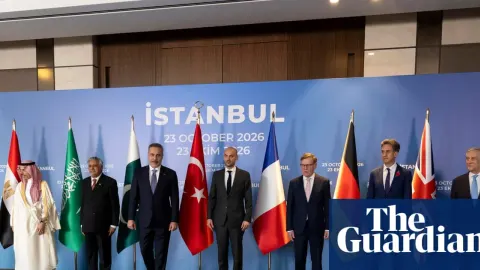
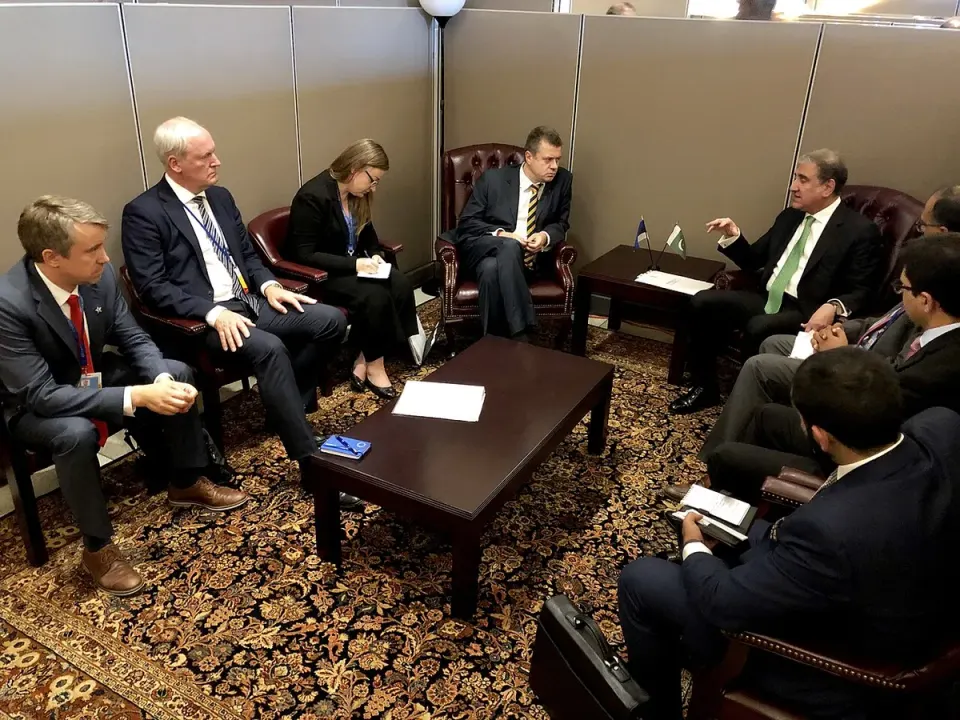
In a significant diplomatic move, Islamabad has confirmed it is in "close contact" with both Tehran and Washington, acting as a critical intermediary to prevent further escalation in the region. Pakistan’s Foreign Ministry issued a call for maximum restraint, emphasizing that diplomacy remains the only viable path to resolving the deep-seated differences between the two adversaries. This role as a "buffer state" is crucial for Iran’s economic outlook; any perceived de-escalation directly impacts the risk premium on the Toman and gold prices. Historically, when Pakistan or Oman step in as mediators, the market interprets it as a sign that back-channel communications are functional, reducing the immediate threat of military confrontation. This diplomatic backdrop likely contributed to the cooling of gold prices in the local market today. Gold 18k/gram moved from 27,071,886 to 26,690,982 Toman, a notable decrease of 1.4%. Investors who had flocked to gold as a safe haven earlier in the week appear to be taking profits or re-evaluating their positions as the rhetoric of war is tempered by Islamabad’s calls for peace. However, with the Emami coin holding steady at 274,000,000 Toman, it is clear that long-term holders remain cautious, waiting for more concrete evidence of a diplomatic breakthrough before shifting their capital back into riskier assets.
AI Energy Demand: Bloom Energy’s Paradoxical Beat
In the global tech and energy sector, Bloom Energy has sent shockwaves through the market by beating earnings expectations by a staggering 36%. As data centers for artificial intelligence consume unprecedented amounts of electricity, fuel-cell makers like Bloom have become essential infrastructure plays. Despite this massive earnings beat and a 15% revenue surprise, the stock has struggled to maintain momentum, reflecting a broader "AI fatigue" among investors. The market is increasingly demanding not just growth, but sustainable profitability and evidence that the massive capital expenditures in AI infrastructure will yield long-term dividends. This disconnect between corporate performance and stock price is a warning sign for global markets. Bitcoin, often a proxy for high-risk tech sentiment, remained relatively flat around $81,541, failing to capitalize on the positive energy news. For Iranian investors looking at global proxies, the message is clear: even stellar performance in the AI sector is currently being met with skepticism. This caution is mirrored in the local crypto-to-Toman rate, where USDT is trading at 270,902, closely tracking the stabilized open-market dollar rate. The global "tech rout" mentioned in recent reports suggests that the era of easy gains in AI-adjacent stocks may be pausing as the market digests the high cost of the energy transition.
Cultural Tensions and the Search for Comfort
While markets and diplomacy dominate the headlines, a cultural firestorm has erupted in the United Kingdom over free speech and the Palestinian conflict. Sarah Helm, wife of Britain’s national security adviser, has sparked a national debate after publicly supporting pro-Palestinian activists and the author Sally Rooney. This controversy highlights the deep internal fractures within Western governments regarding Middle Eastern policy. For the Iranian observer, these domestic debates in the UK are more than just social news; they represent a shifting tide in Western public opinion that could eventually influence sanctions policy and diplomatic engagement with Tehran. In a stark contrast to these heavy geopolitical realities, Finland has found a unique way to cope with global anxiety. The "Puppy Live" stream, a 24/7 broadcast of a litter of puppies, has become a national phenomenon in the Nordic country. Fans claim that "nothing bad happens in the puppy box," providing a rare psychological refuge from a world obsessed with war, inflation, and social unrest. This trend underscores a global craving for stability and "soft news" as a counterweight to the relentless pressure of the 24-hour news cycle, a sentiment that resonates deeply in societies like Iran that live under constant economic and political stress.
Frequently Asked Questions
Why did the price of gold drop 1.4% in Tehran today?
How did the Asian Para Games affect the Iranian economy?
Why is Bloom Energy's 36% earnings beat significant for AI?
The Interplay of Geopolitics and Currency Exchange Rates
While headlines often present a mosaic of seemingly unrelated events—from sporting achievements to corporate earnings and diplomatic maneuvers—a deeper look reveals how international relations can profoundly impact a nation's economic stability, particularly its currency exchange rate. The mention of "Pakistan mediating US tensions" with Iran, alongside the "USD IRR price" and "Toman exchange rate" keywords, highlights a crucial economic concept: the direct link between geopolitical stability (or instability) and the value of a country's currency.
Geopolitical tensions, such as diplomatic standoffs, sanctions, or even the threat of conflict, introduce significant uncertainty into a country's economic outlook. This uncertainty often deters foreign investment, as investors seek safer havens for their capital. When foreign capital inflows decrease or, worse, when existing capital flees the country (known as capital flight), the demand for the local currency diminishes. Simultaneously, domestic actors might also seek to convert their local currency into more stable foreign currencies like the US Dollar or into tangible assets like gold, further increasing demand for foreign currency and reducing demand for the local one.
The resulting imbalance between supply and demand for the local currency leads to its depreciation. A weaker currency means that imports become more expensive, fueling inflation and reducing the purchasing power of citizens. For instance, if the Iranian Rial (IRR) or Toman depreciates against the US Dollar, the cost of imported goods, from consumer electronics to essential commodities, rises. Conversely, successful diplomatic efforts and de-escalation of tensions can instill confidence, encourage investment, and potentially lead to currency stabilization or even appreciation, demonstrating the tangible economic benefits of peace and diplomacy.