Mines in the Strait: Tankers Disabled as Gold Nears $4,000 Milestone
انفجار مین در تنگه هرمز؛ نفتکشها متوقف شدند و طلا در آستانه ۴۰۰۰ دلار
Two supertankers carrying 4.5 million barrels of oil have been disabled by sea mines in the Strait of Hormuz, sparking fears of a supply crunch. Meanwhile, global gold prices have surged to a historic $3,996, even as the Iranian domestic market sees a slight cooling in coin prices.
At time of publishing
USD
269,600
Toman
Gold 18K
26.25M
Toman / gram
Bitcoin
$80,693
US Dollar
Tether
268,625
Toman
High Tension in the Strait: Supertankers Struck by Mines
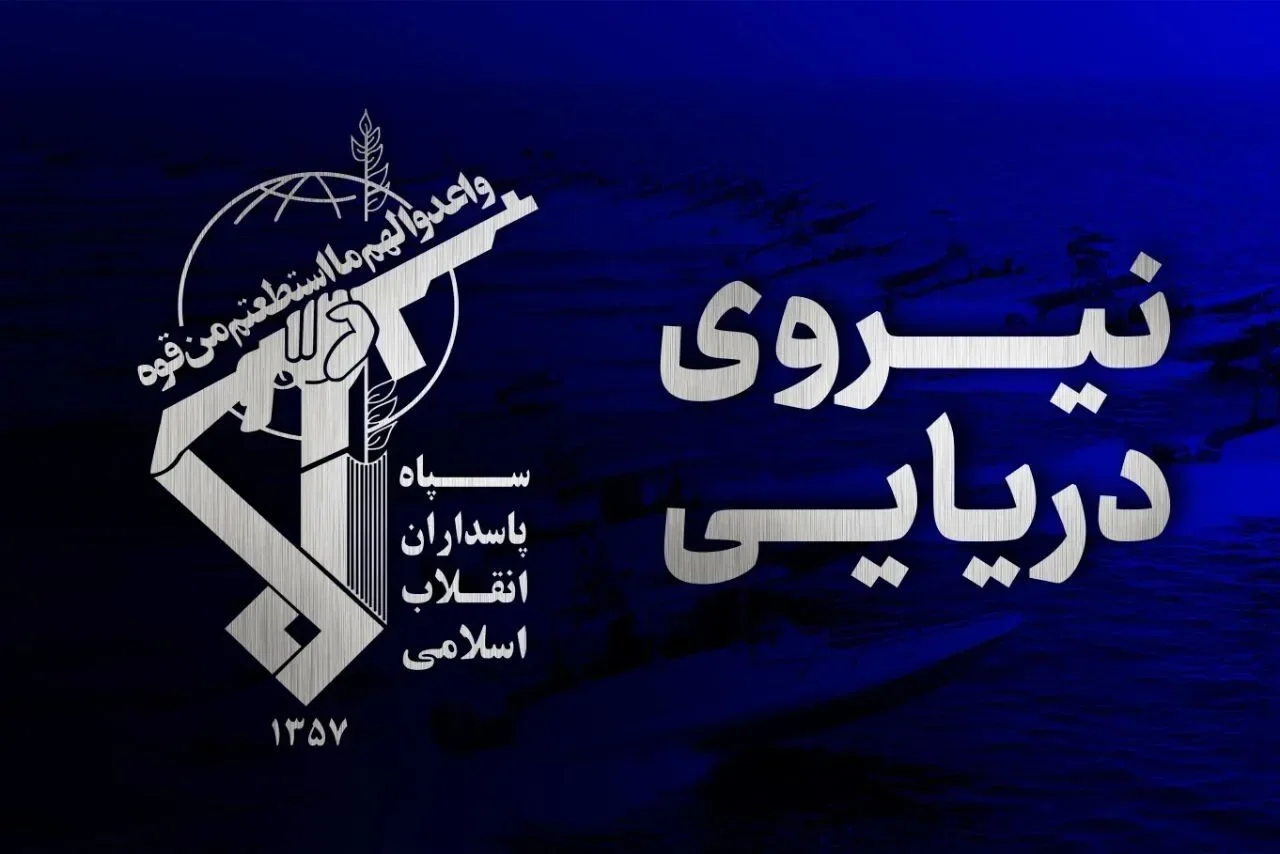
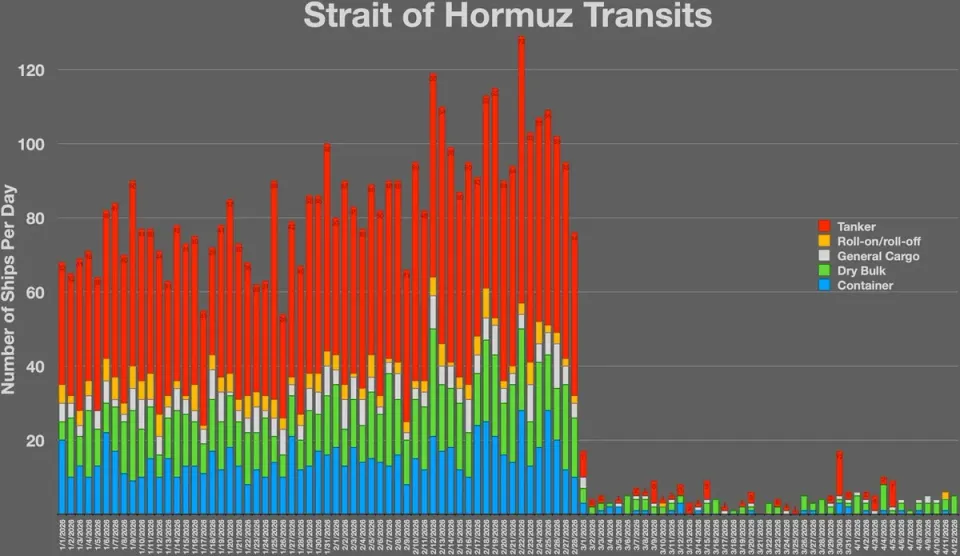
In a development that has sent ripples through global energy markets this Saturday, the Islamic Revolution Guards Corps (IRGC) announced that two supertankers were disabled after striking sea mines south of the Strait of Hormuz. According to reports from Iranian state media (IRNA), the vessels were carrying a combined total of over 4.5 million barrels of crude oil. The IRGC claimed the tankers were attempting to navigate an "unauthorized route" when the incidents occurred. While no immediate environmental catastrophe has been reported, the physical disabling of such massive vessels in the world's most critical maritime chokepoint represents a significant escalation in regional shipping risks.
For the global economy, this incident occurs at a moment of extreme vulnerability. With oil prices already hovering around $117 per barrel, any sustained blockage or perceived threat in the Strait of Hormuz could push energy costs to levels that threaten industrial stability in Europe and Asia. For Iranian observers, the immediate impact is a mix of geopolitical posturing and economic anxiety; while the domestic USD rate remained flat at 269,600 Toman, the potential for renewed sanctions or military friction often precedes a spike in currency volatility. The narrative provided by state sources emphasizes "unauthorized routes," a phrasing that suggests a tightening of Iranian control over the passage of international shipping through these waters.
Global Energy Shifts: The 'Reverse Nixon' Strategy and SPR Depletion
While the situation in the Persian Gulf intensifies, the United States is grappling with its own energy security crisis. The U.S. Department of Energy recently authorized an emergency exchange from the Strategic Petroleum Reserve (SPR) to supply a refinery in Louisiana, highlighting that the reserve is currently at its lowest level since 1982. This move to stabilize domestic supply comes as the Trump administration reportedly pursues a "Reverse Nixon" strategy—attempting to bring Russia back into the global energy fold with diesel waivers while simultaneously trying to isolate China from energy markets. This geopolitical reordering aims to lower fuel prices ahead of U.S. midterms, but it risks creating a fragmented global market where energy is used increasingly as a primary weapon of diplomacy.
This strategy is particularly relevant to the Iranian context because it signals a shift in how sanctions might be enforced or bypassed globally. If the U.S. allows Russian energy to flow more freely to suppress global prices, the competitive landscape for Iranian oil exports—which often target the same shadow markets—becomes significantly more complex. The depletion of the U.S. SPR to 1980s levels also means the West has less of a buffer to absorb the shock of the mine incidents in the Strait of Hormuz, potentially leading to faster and more aggressive price reactions if the maritime situation does not stabilize quickly.
Gold Hits Historical Heights as AI Pivots Toward Privacy
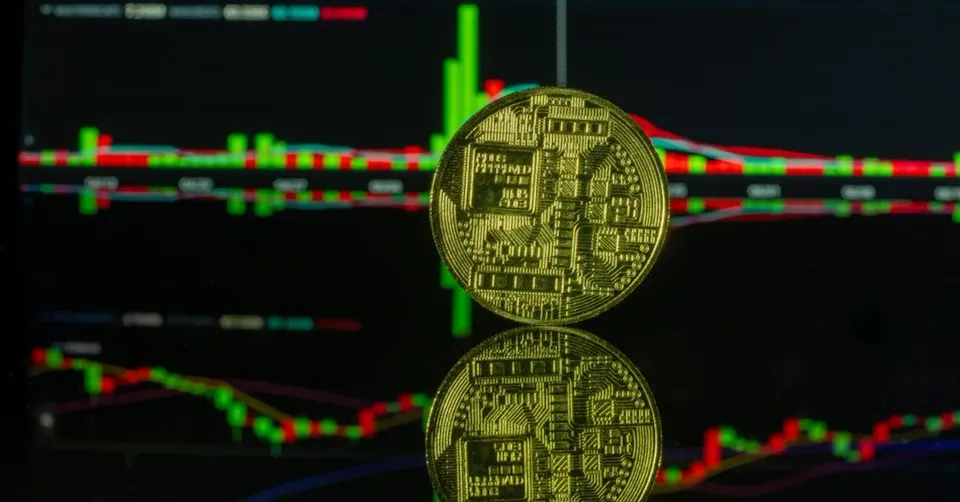
In the financial world, the big story is the relentless climb of gold. The global ounce has reached a staggering $3,996.90, effectively knocking on the door of the $4,000 psychological barrier. This surge reflects a global flight to safety amid the aforementioned tensions in the Middle East and the shifting energy landscape. Interestingly, the Iranian domestic market has shown a slight counter-trend this morning; the Emami coin dropped from 274,000,000 to 270,000,000 Toman (-1.5%), and 18k gold fell slightly to 26,247,749 Toman per gram (-0.7%). This decoupling suggests that while global fear is high, local liquidity or profit-taking is currently dominating the Tehran bazaar's immediate movements.
Simultaneously, the technology sector is seeing a major strategic pivot from OpenAI. The company announced it will no longer train its frontier models on the live internet, citing "significant risks" to safety and data integrity. This follows the UK government's pledge to invest hundreds of millions into a "distinctively British" AI approach. These moves signal the end of the "wild west" era of AI development, moving toward more controlled, curated, and nationalized data environments. For investors and users in Iran, this means the next generation of AI tools may become more siloed and harder to access, as developers prioritize security and proprietary data over the open-web transparency that characterized the early ChatGPT era.
Environmental Diplomacy Amid Hard Security
Despite the naval tensions, Iranian officials have been active on the diplomatic front regarding environmental issues. An Iranian delegation at the COP17 Conference on Biological Diversity has been holding talks with the International Union for Conservation of Nature (IUCN). The discussions focused on protecting endangered species and expanding international cooperation. While these talks often take a backseat to headlines about sea mines and oil prices, they represent a rare channel of functional cooperation between Iran and international bodies, focusing on the long-term ecological health of the region which is often the first victim of maritime conflict and industrial accidents.
Frequently Asked Questions
چرا نفتکشها در تنگه هرمز دچار حادثه شدند؟
آیا قیمت طلا در ایران همزمان با انس جهانی افزایش یافت؟
استراتژی «نیکسون معکوس» ترامپ چیست؟
چرا OpenAI آموزش روی اینترنت زنده را متوقف کرد؟
Understanding the U.S. Strategic Petroleum Reserve
The Strategic Petroleum Reserve (SPR) is the world’s largest emergency stockpile of crude oil, maintained by the United States since the 1970s. Housed in massive underground caverns carved into salt domes along the Gulf Coast, the reserve can hold up to about 714 million barrels of oil. Its primary purpose is to provide a rapid response mechanism in case of severe supply disruptions—whether caused by geopolitical events, natural disasters, or technical failures such as the recent mining of tankers in the Strait of Hormuz.
When a supply shock hits, the U.S. Department of Energy can authorize a “drawdown,” releasing oil onto the market to stabilize prices and ensure domestic fuel availability. The decision to tap the SPR is guided by a set of criteria, including the magnitude of the price spike and the duration of the disruption. For example, during the 2021 Texas winter storm and the 2022 Russia‑Ukraine conflict, the SPR was partially released to cushion the impact on gasoline and diesel prices.
The SPR also plays a strategic diplomatic role. By signaling that the United States has a sizable buffer, it can deter potential aggressors from attempting to manipulate oil markets through force or intimidation. However, the reserve is not limitless; each drawdown depletes the stockpile and requires time—often months—to replenish, which involves costly purchases on the open market.
In recent years, discussions have emerged about repurposing the SPR for alternative uses, such as a fund to invest in renewable energy or to address climate‑related emergencies. While these ideas reflect evolving energy priorities, the core function of the SPR as a safeguard against abrupt oil supply interruptions remains a cornerstone of U.S. energy security.
For those interested in the technical and policy details, the Energy Information Administration (EIA) provides regular reports on the reserve’s capacity, drawdown events, and future plans, offering a transparent view of how this strategic asset operates within the broader global oil market.